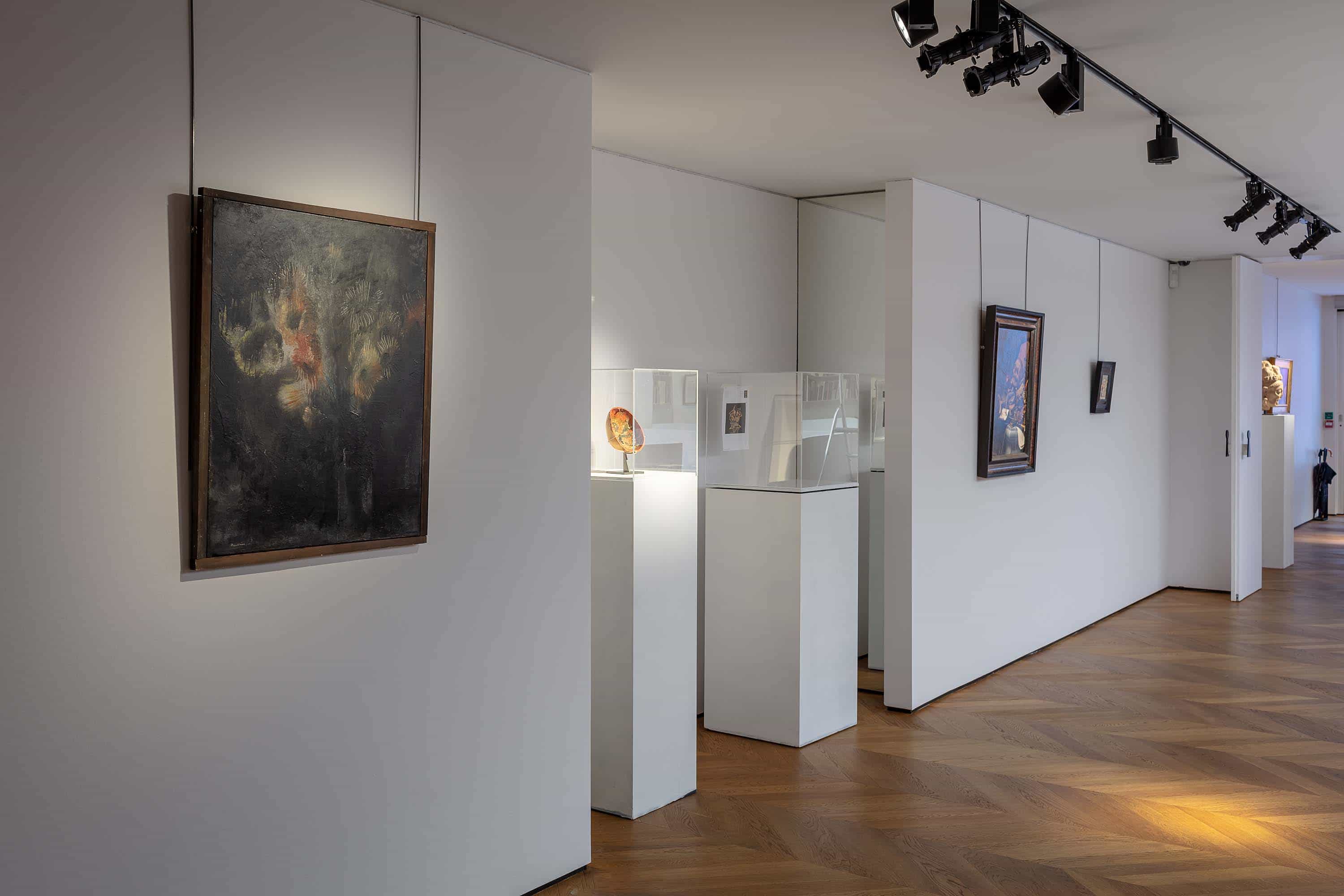
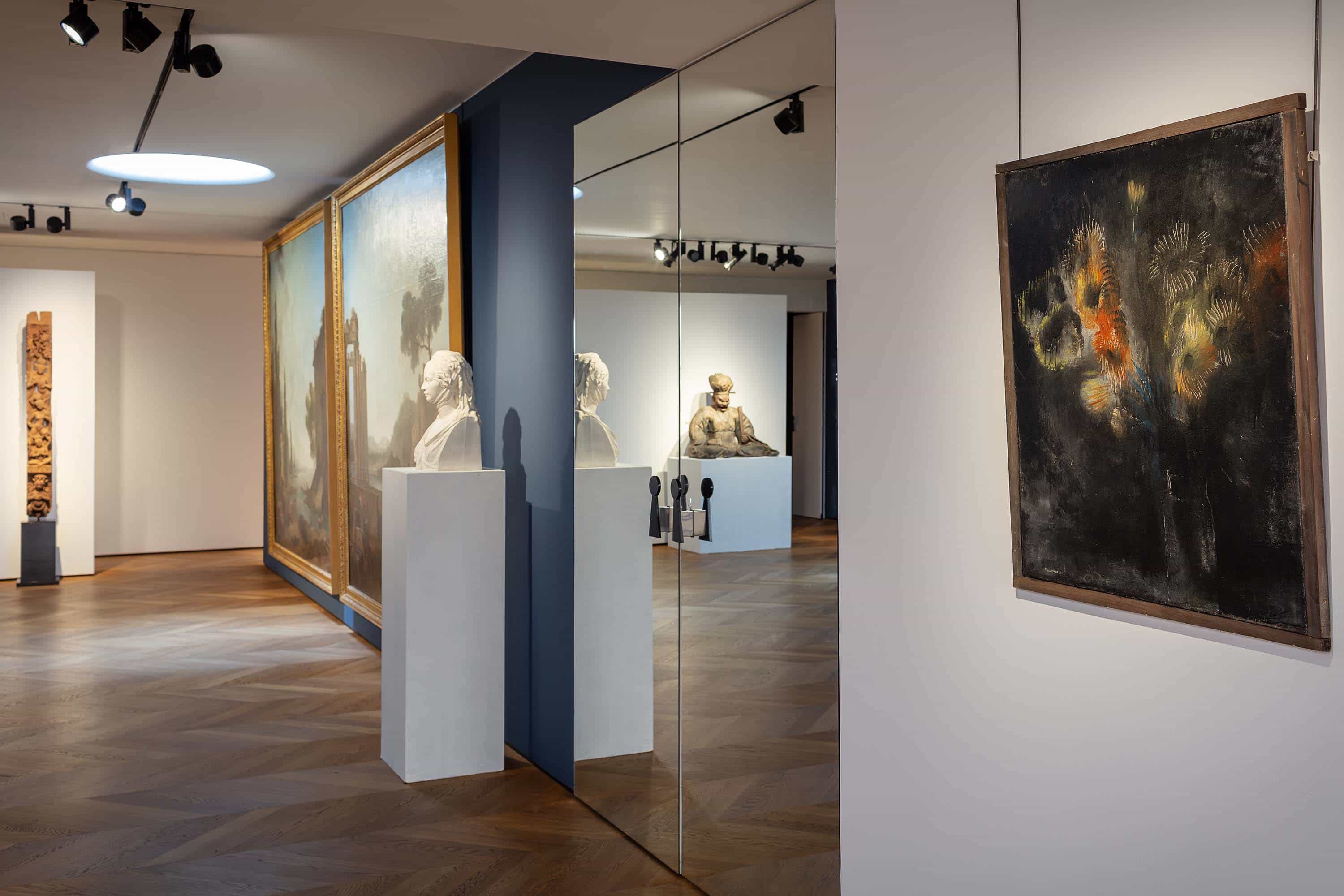
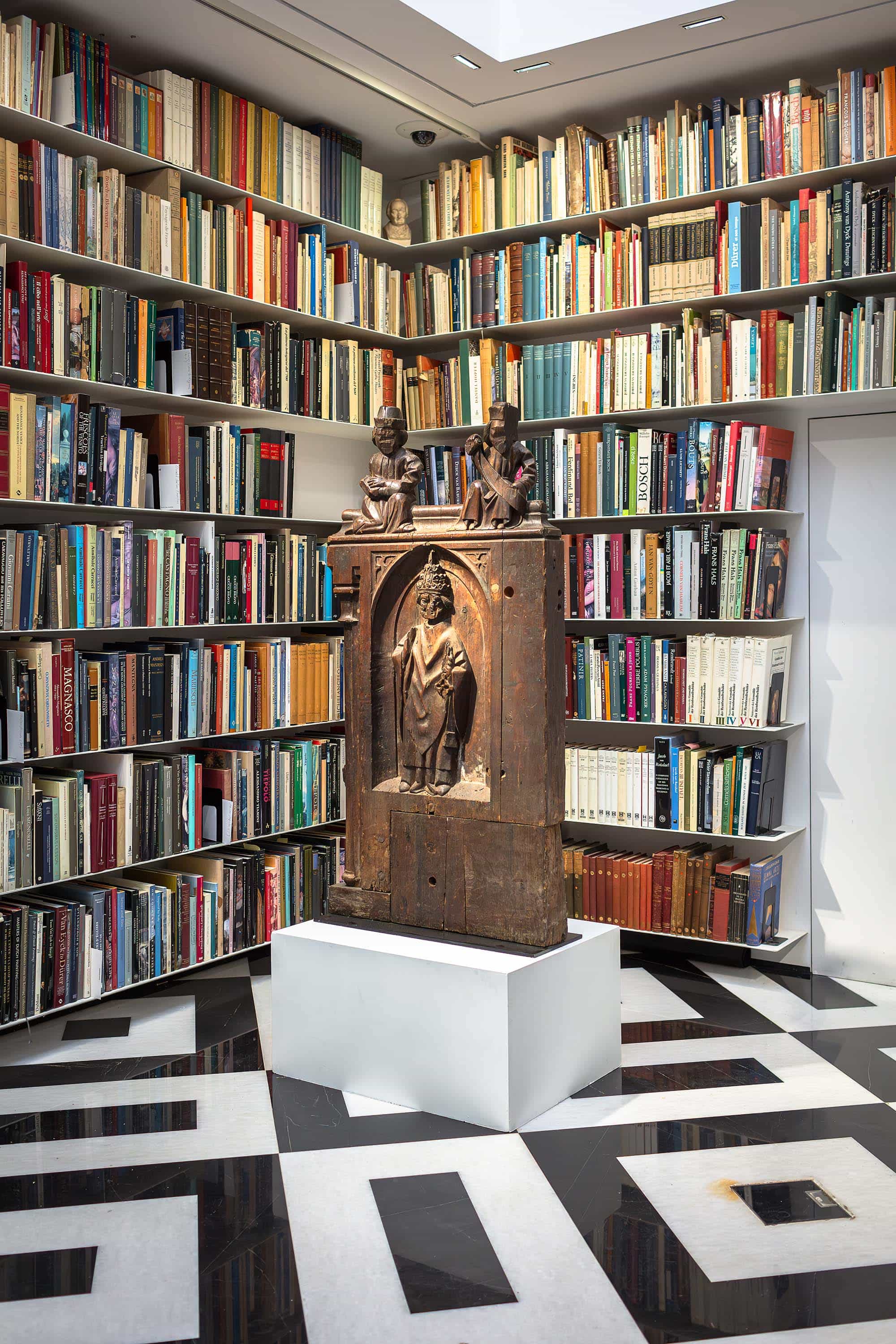
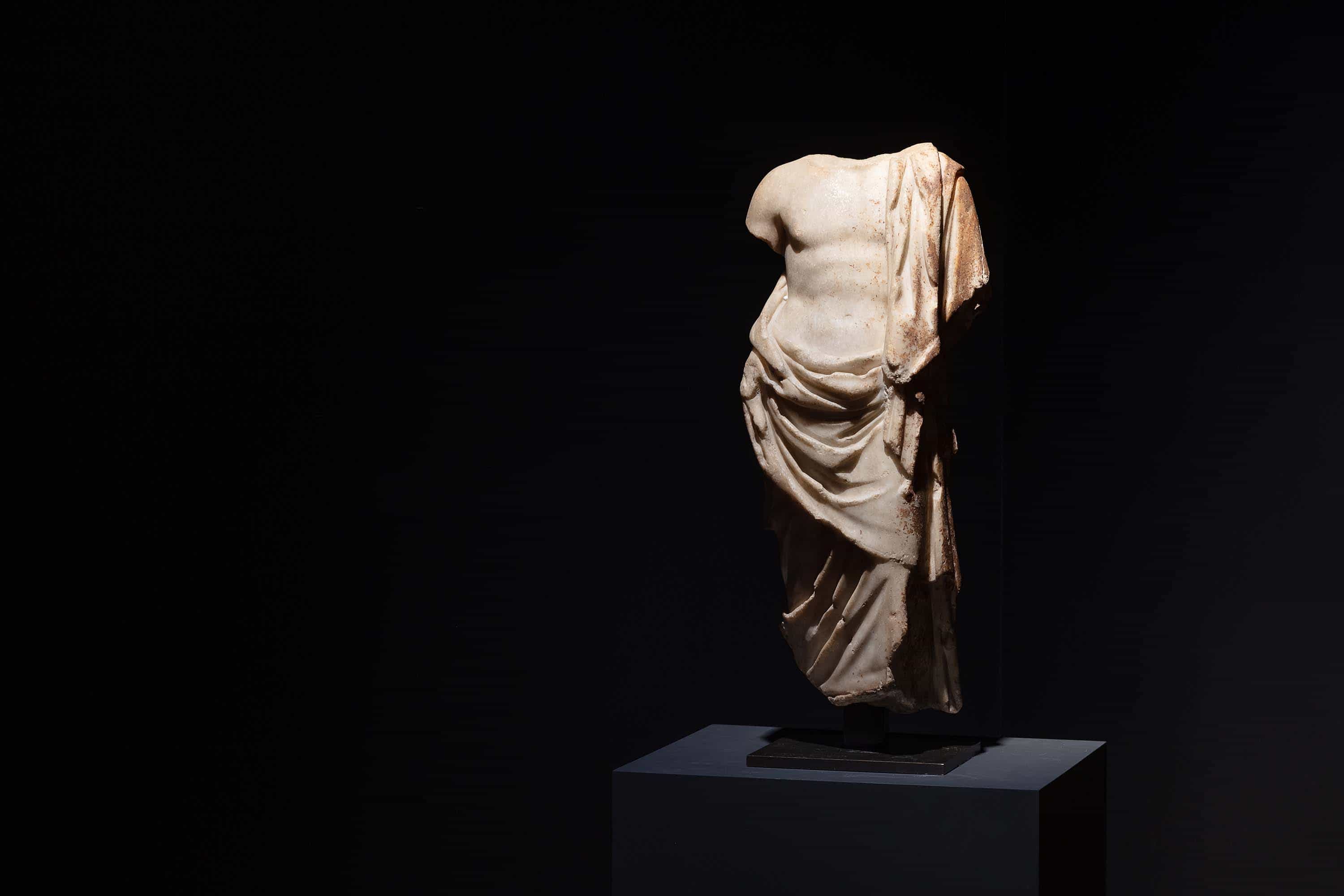
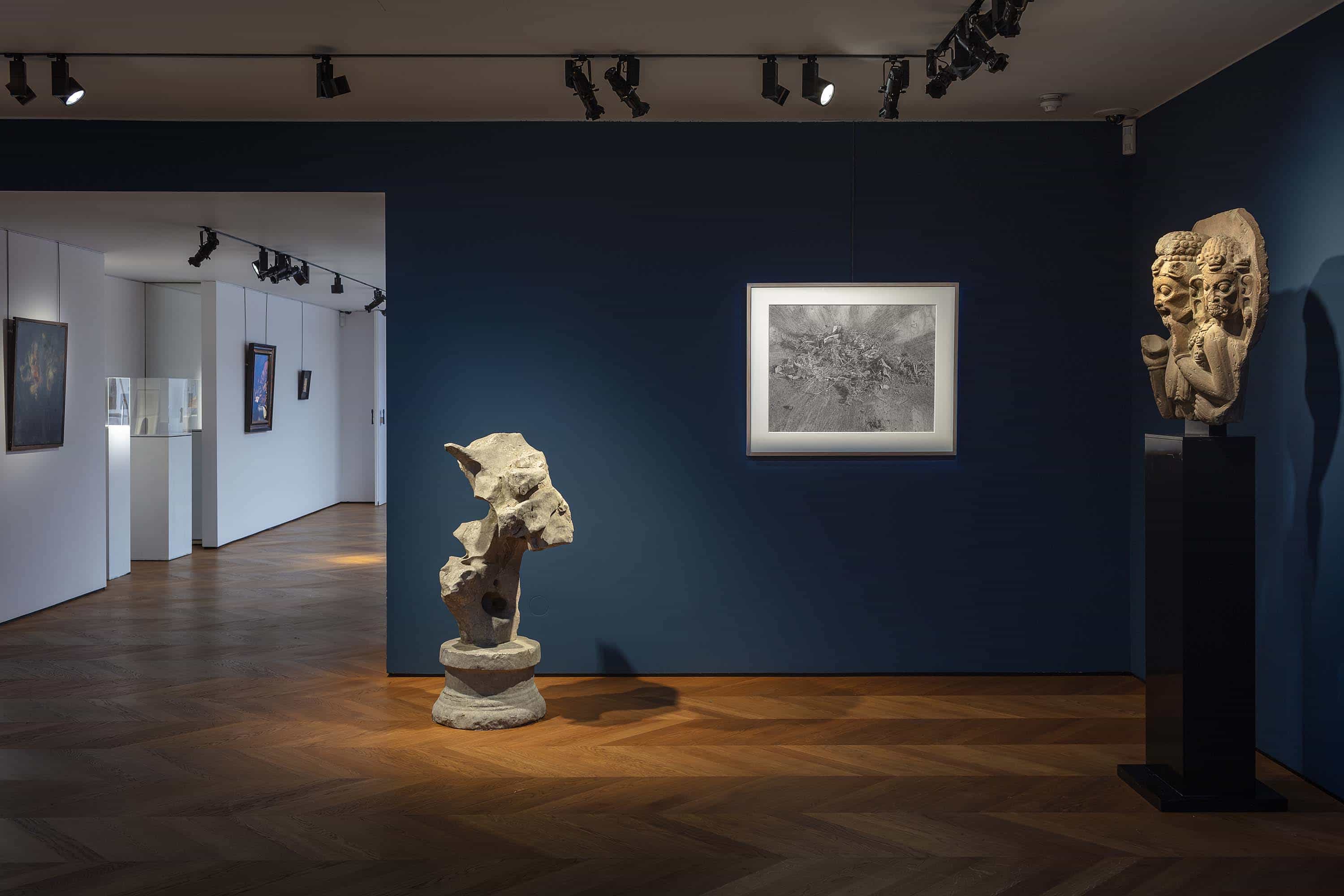
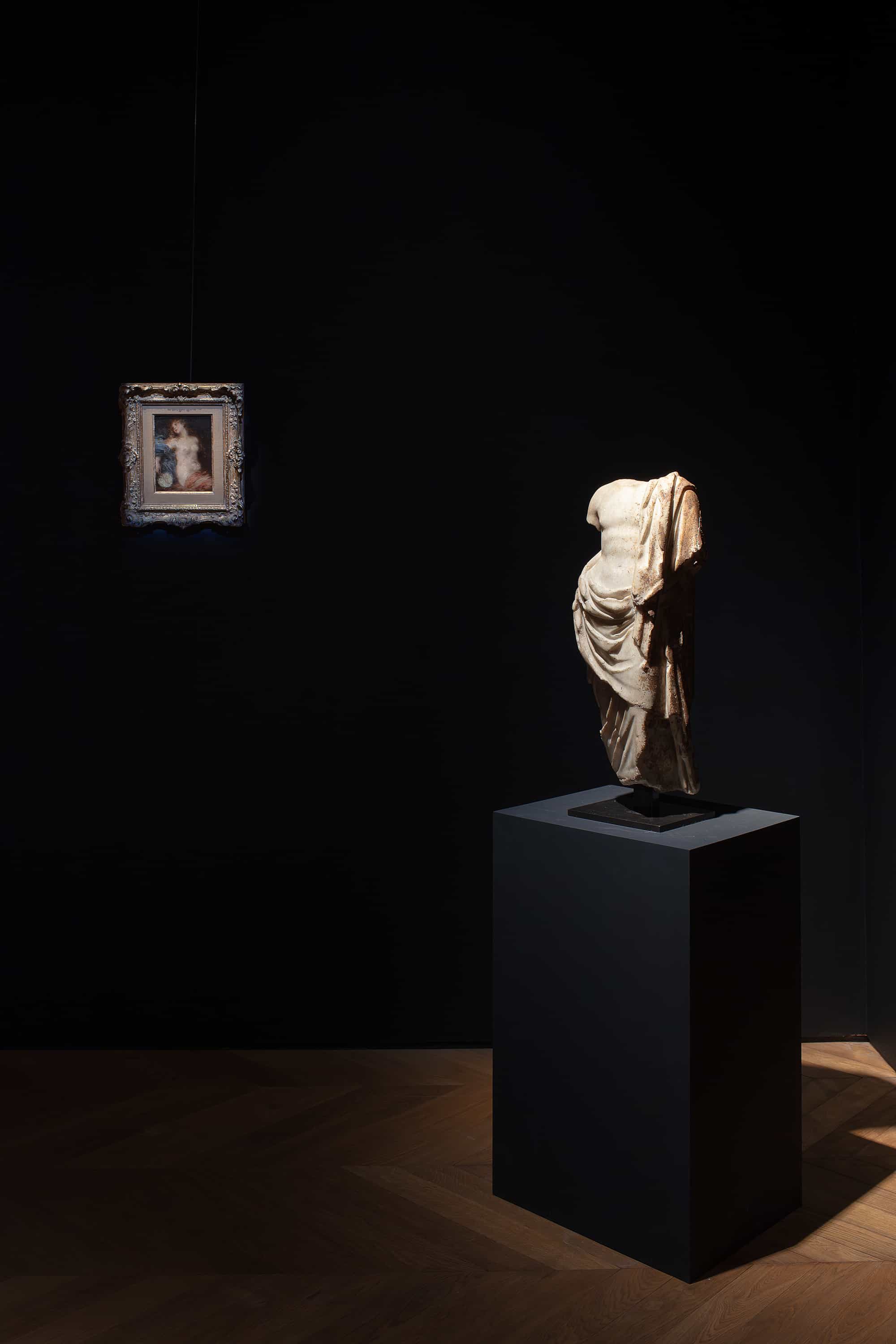
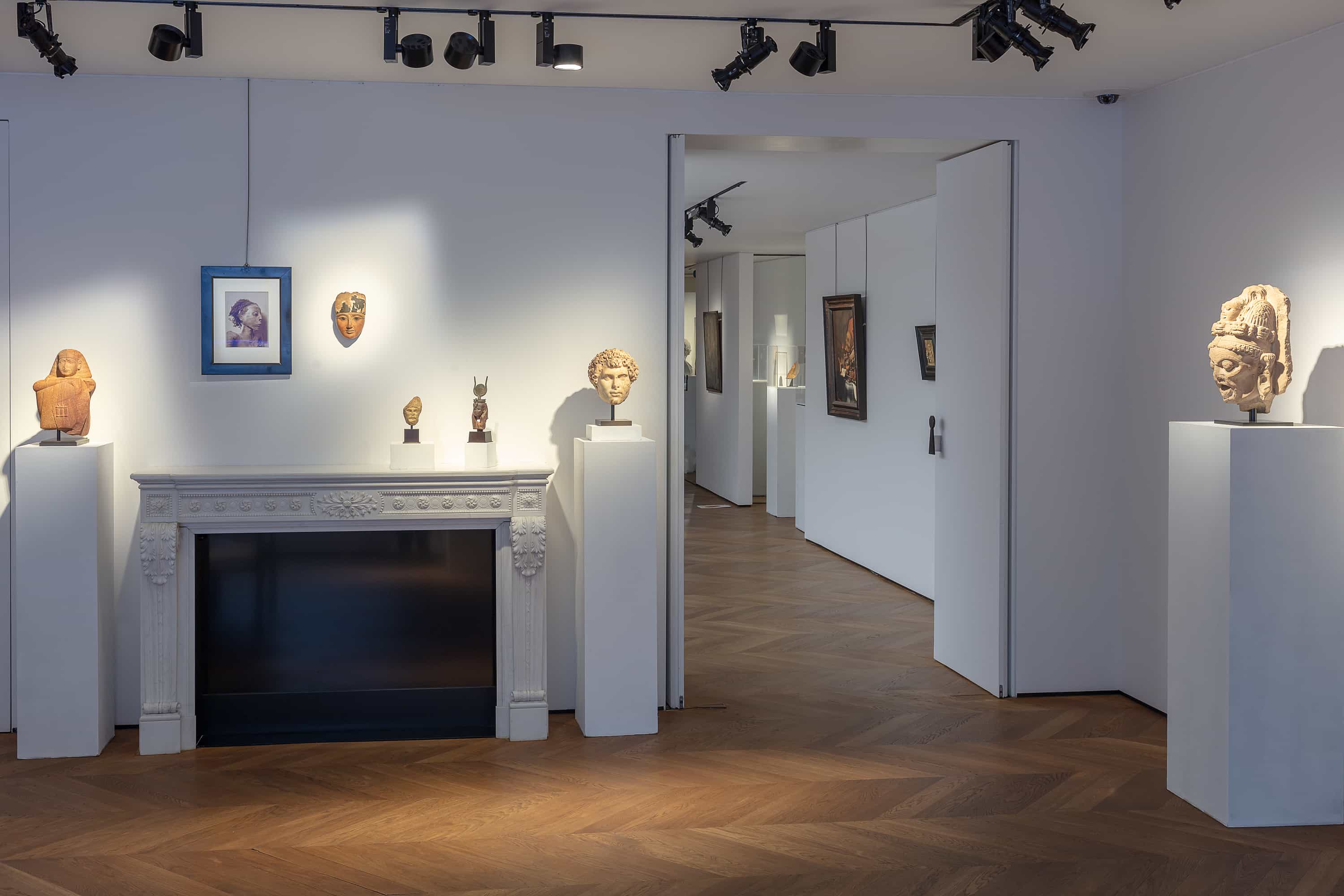
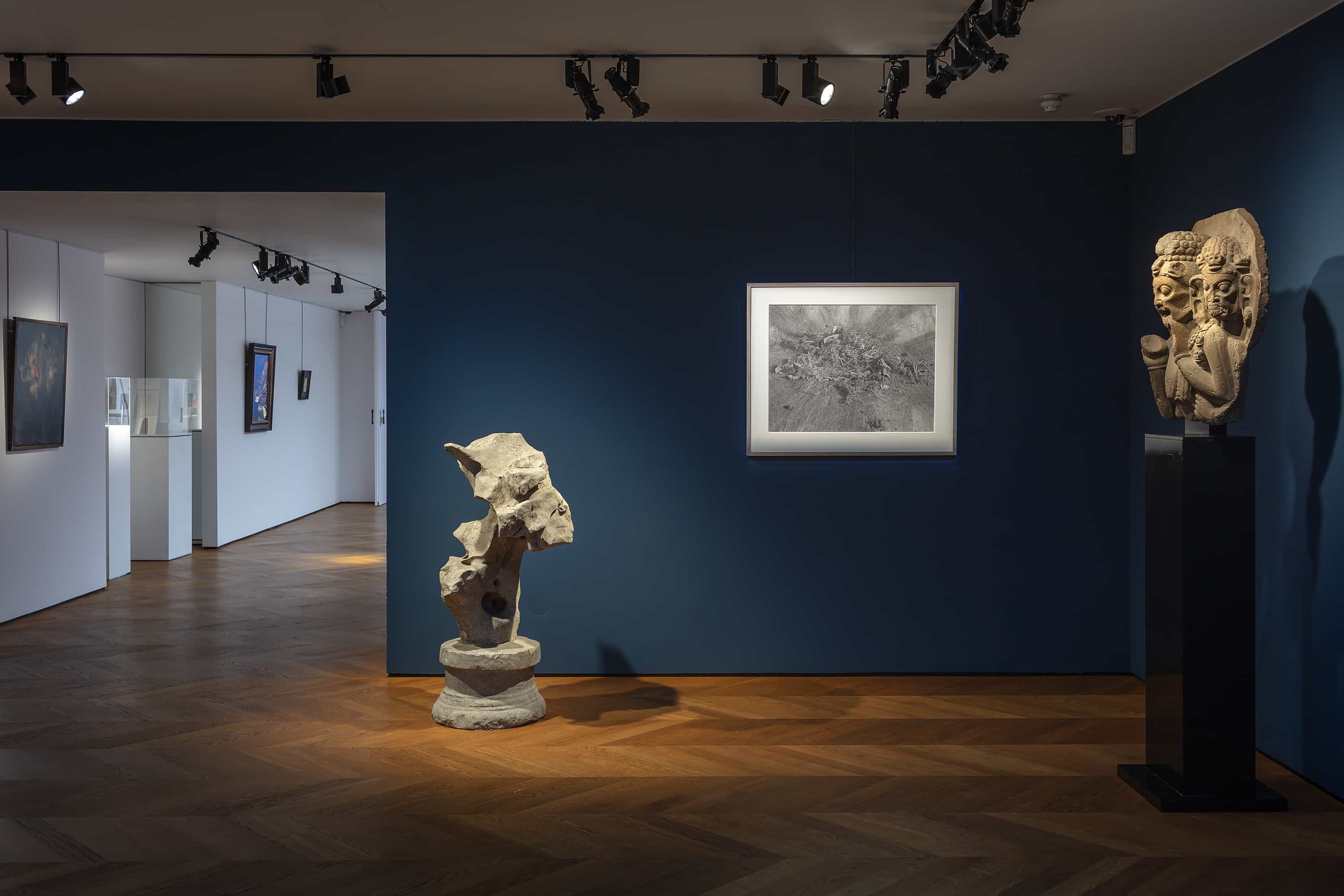
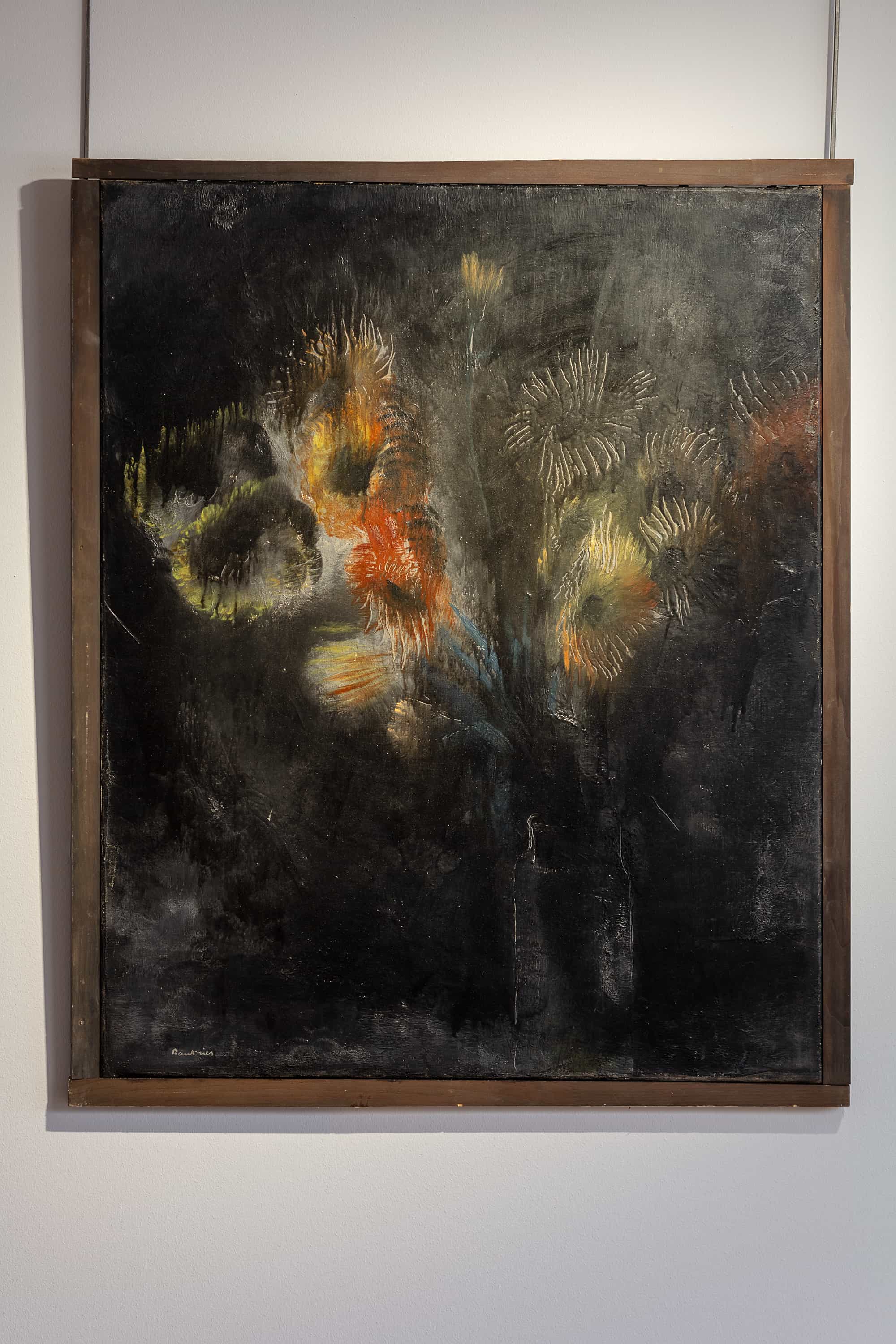
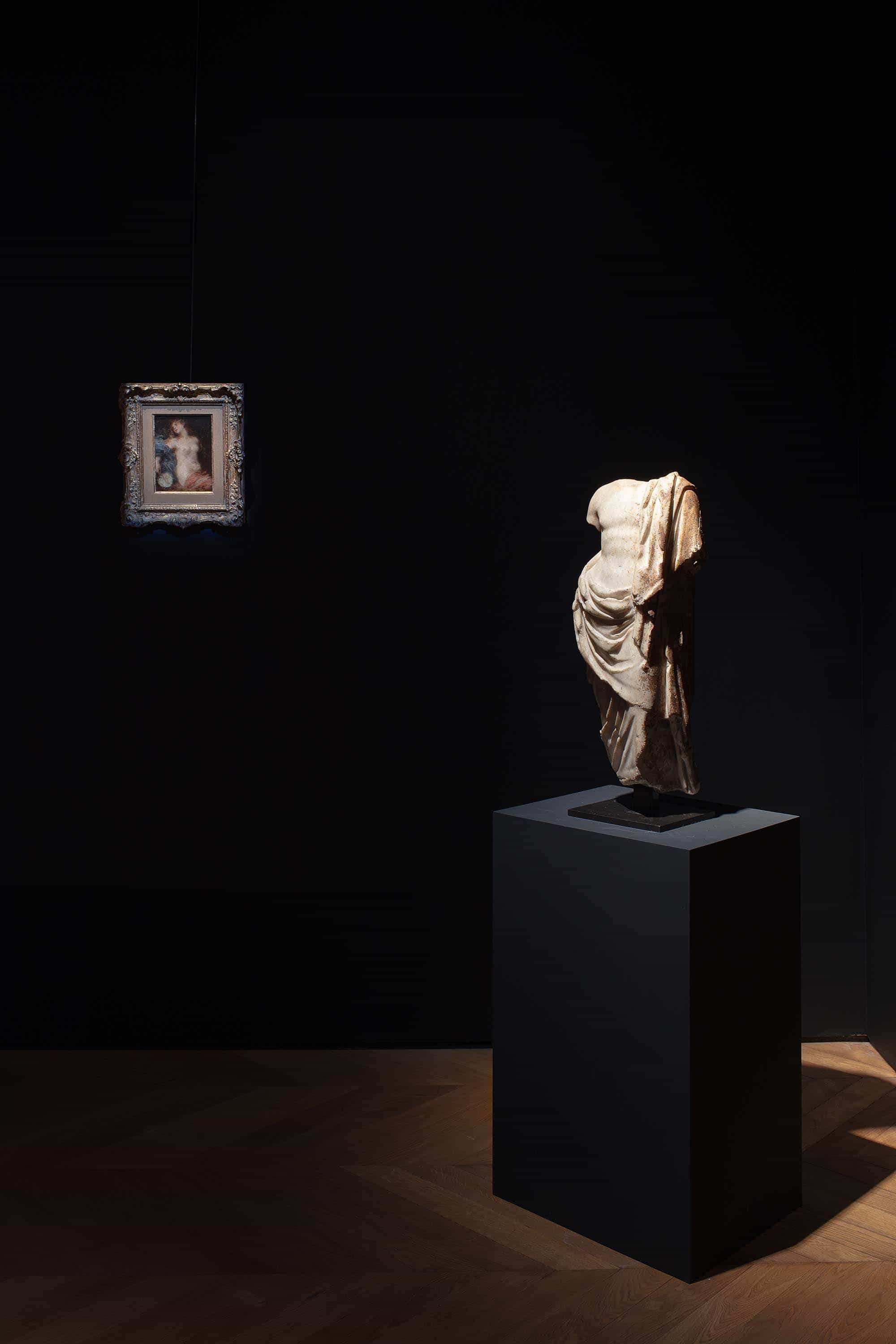
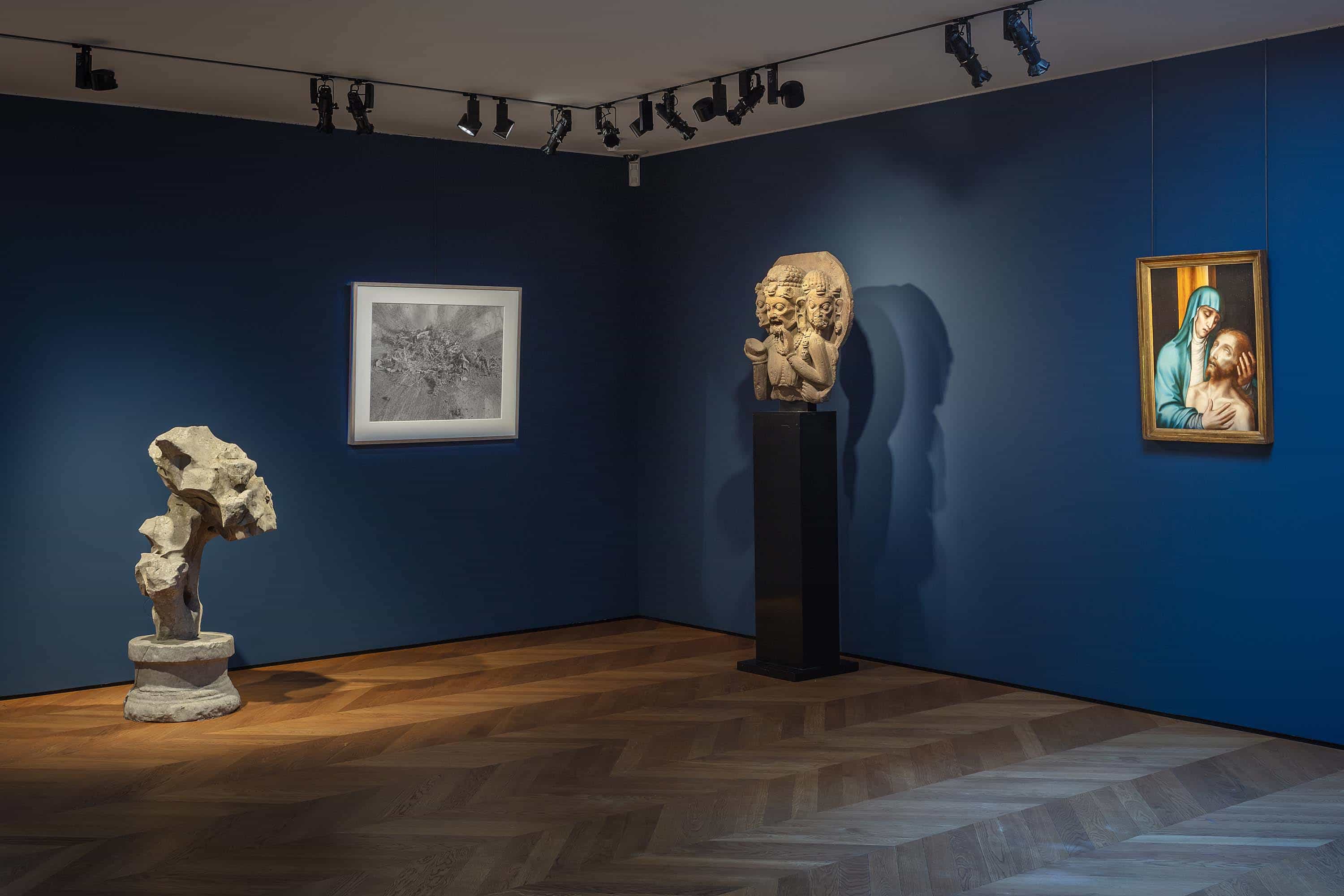
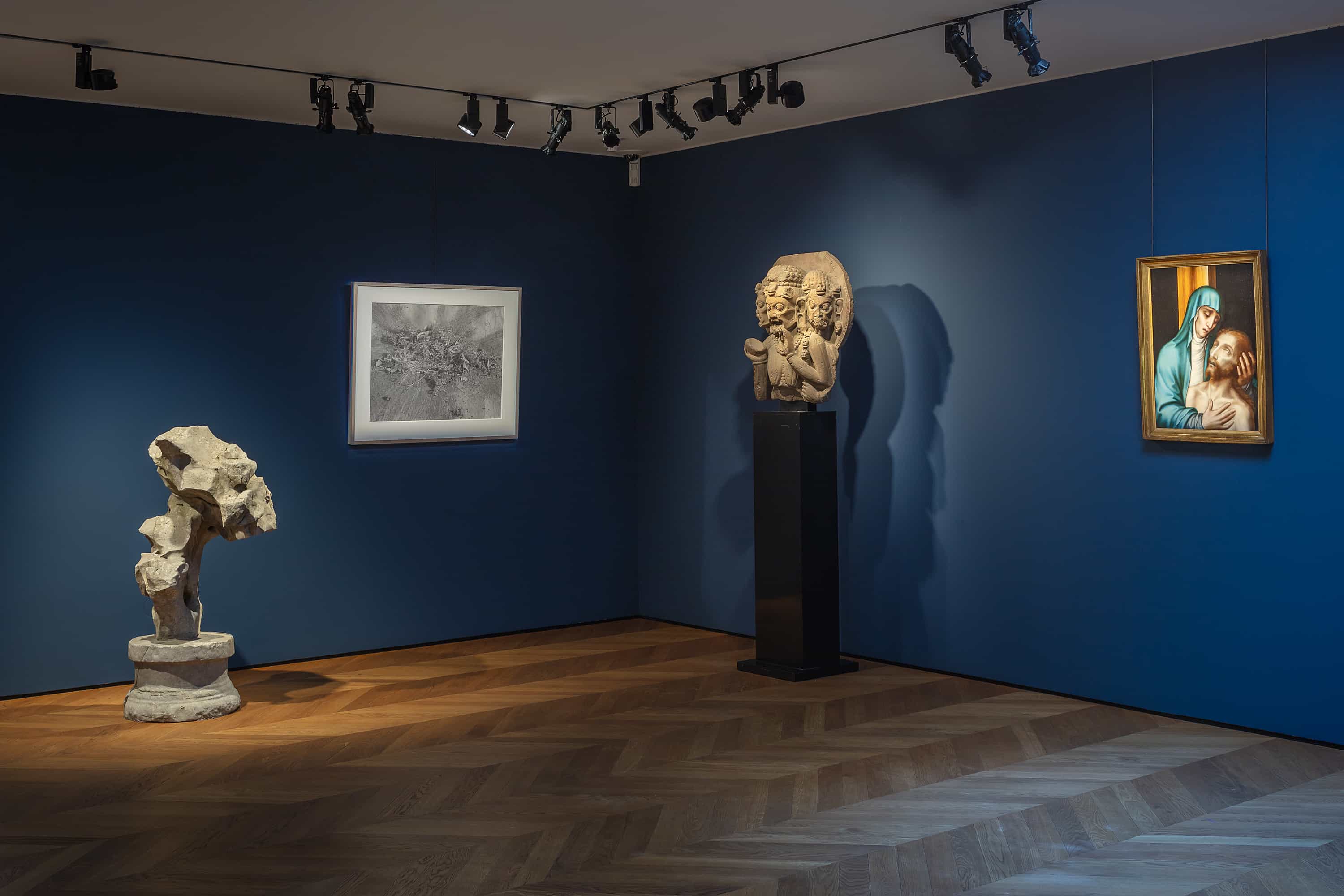
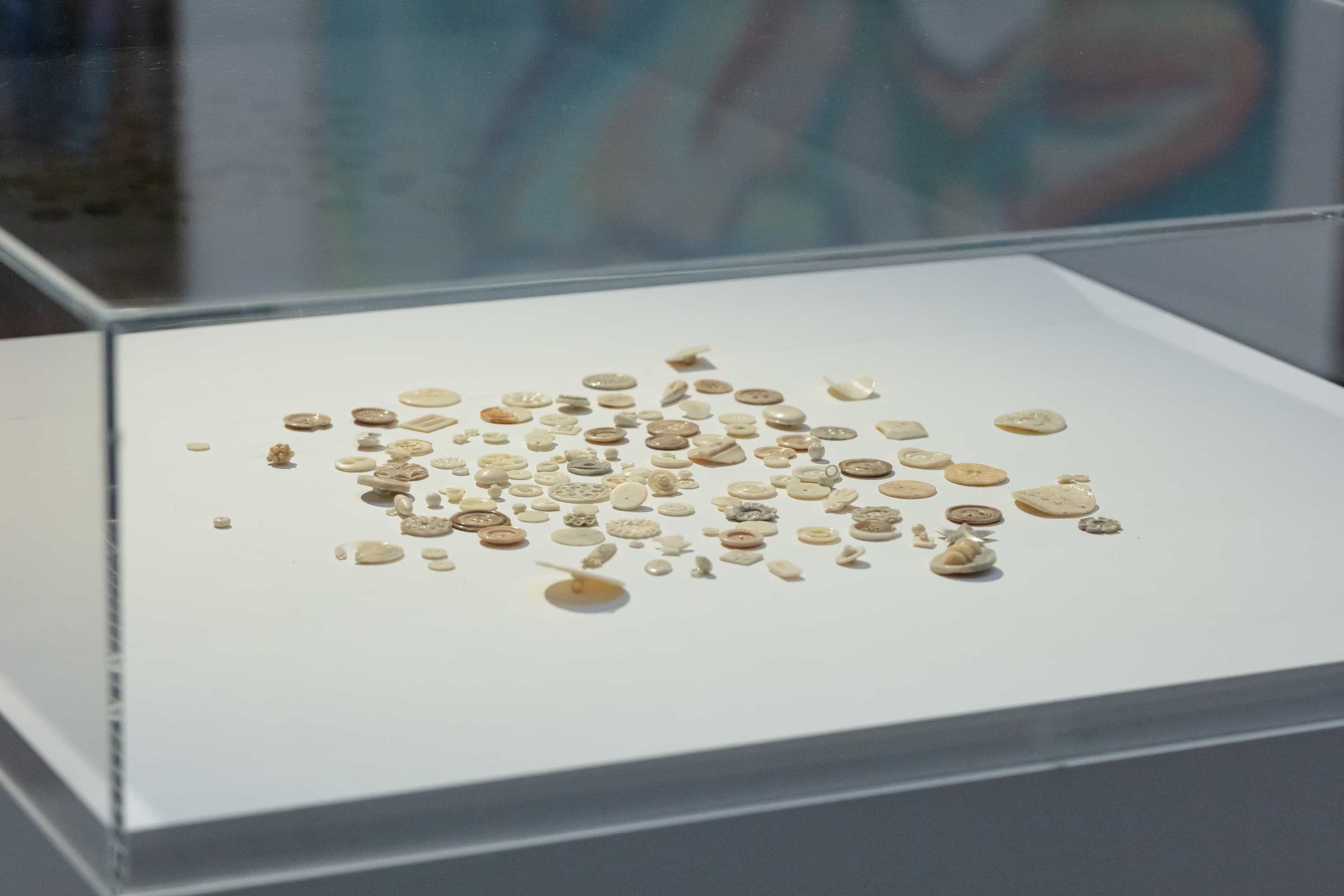
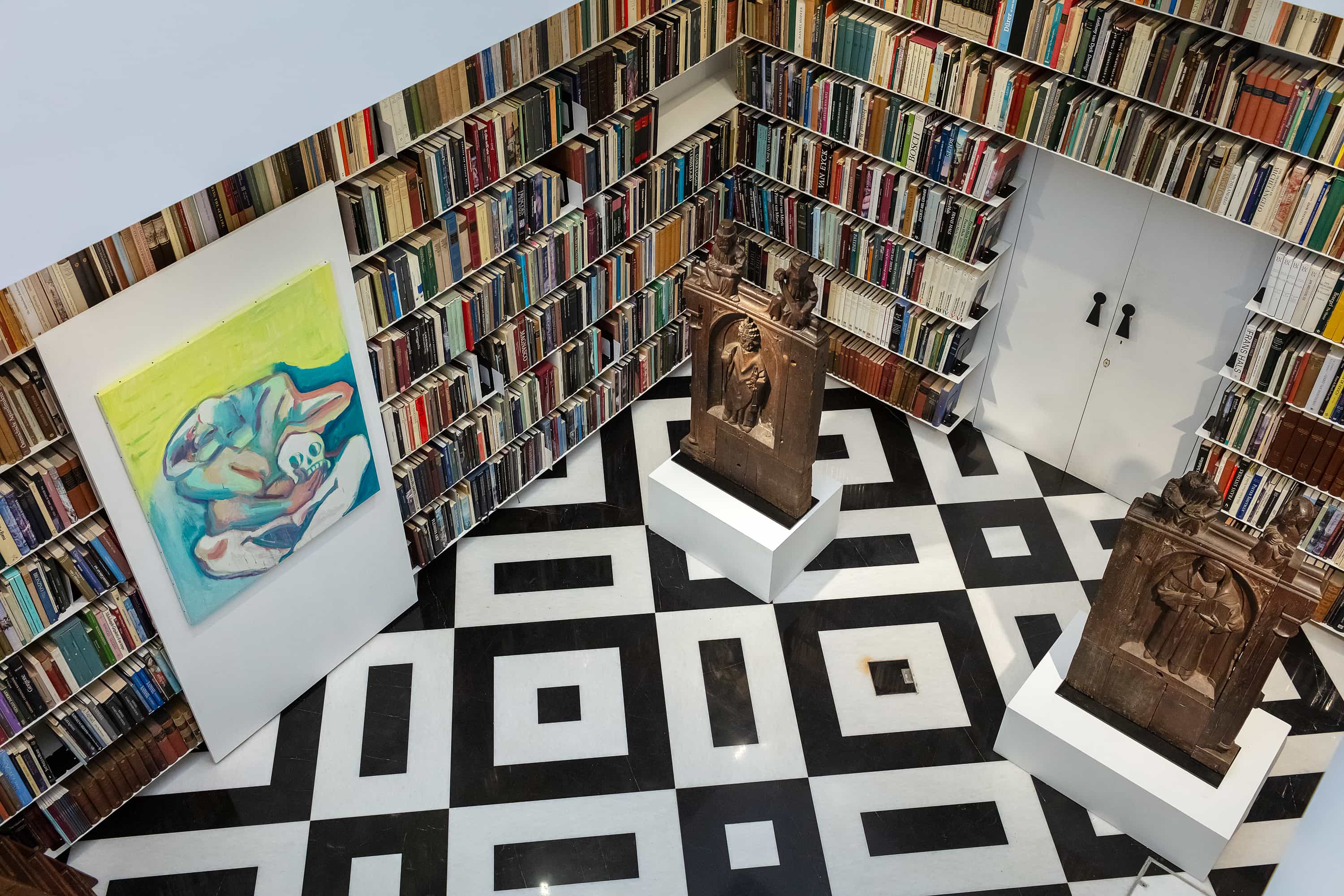
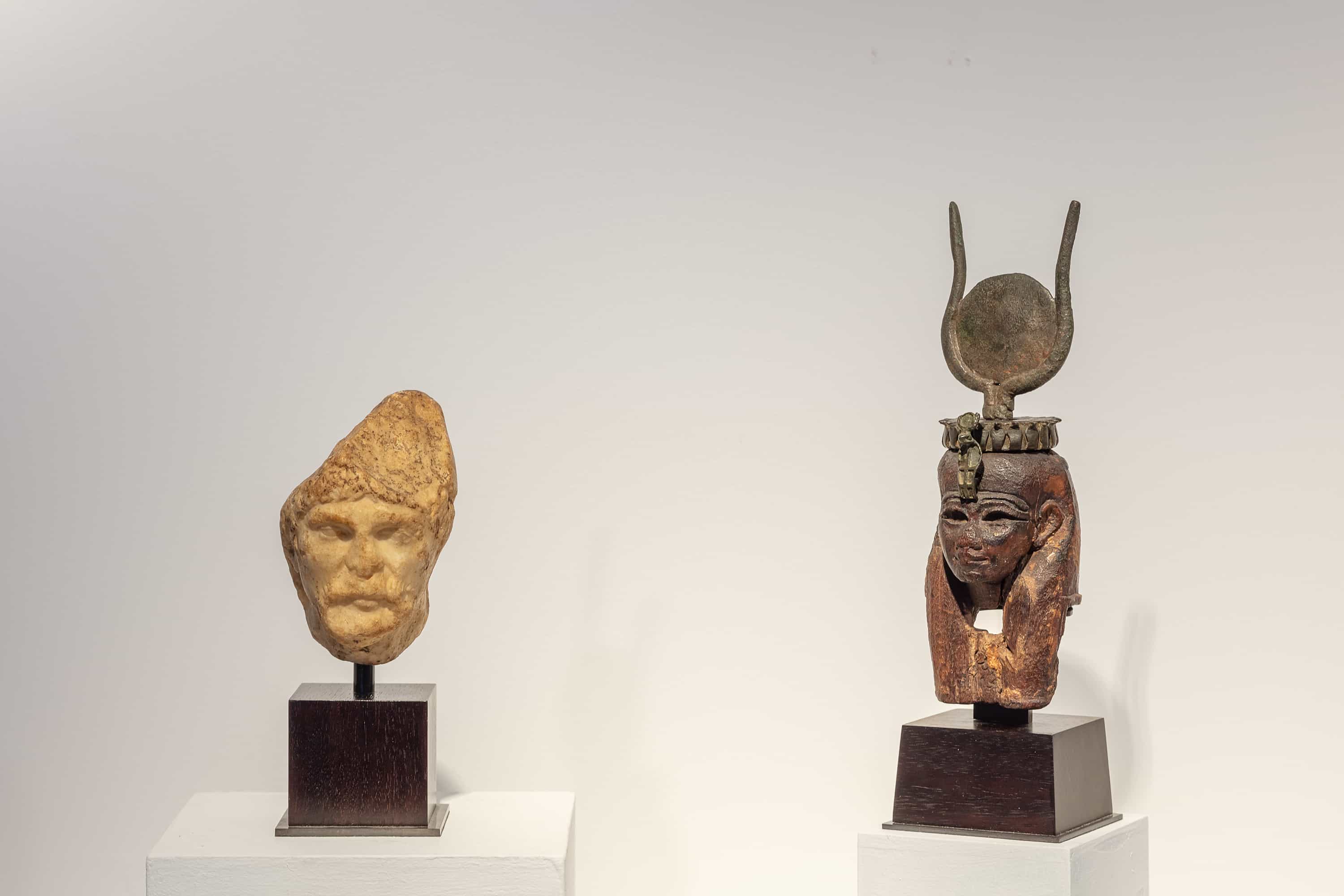
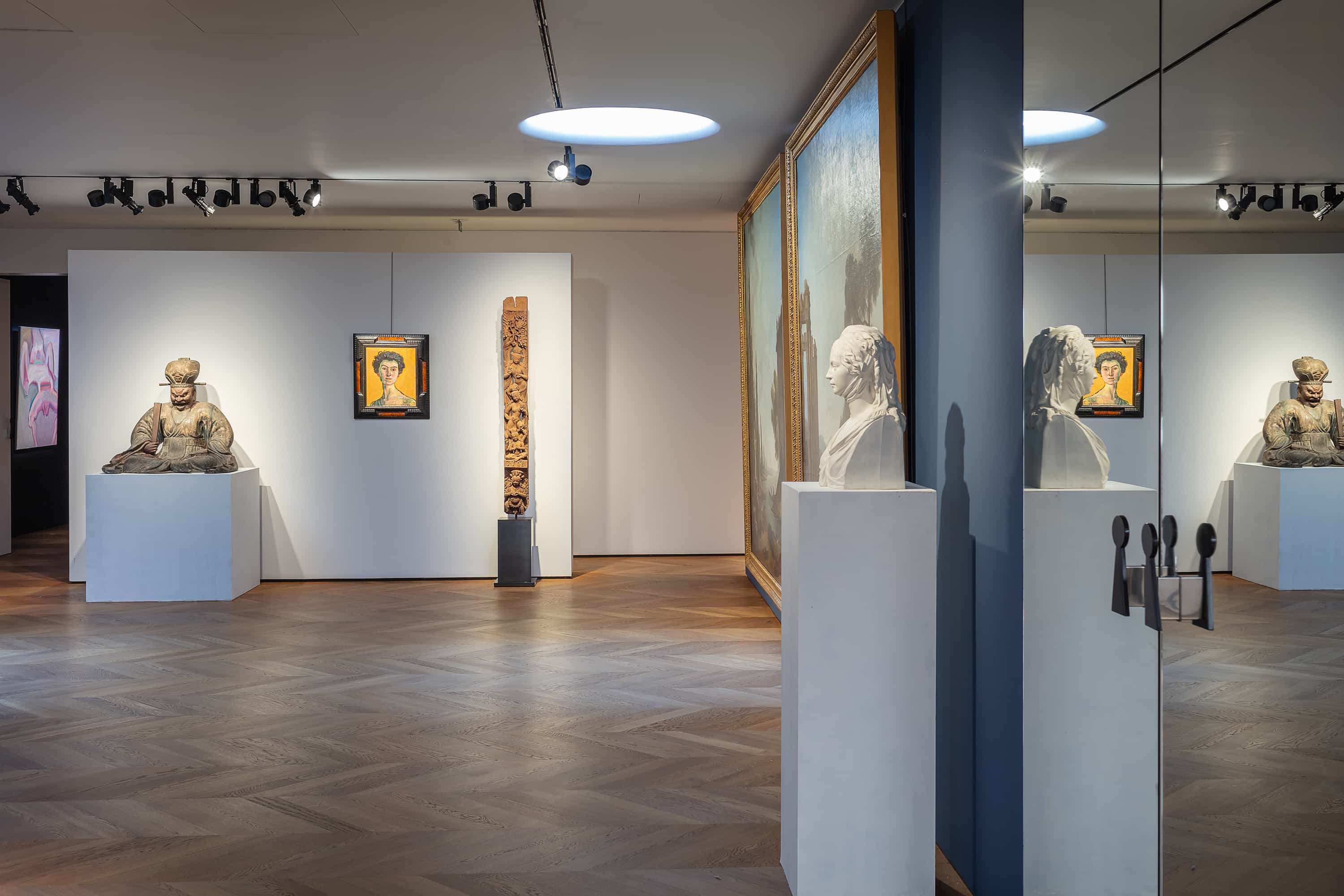
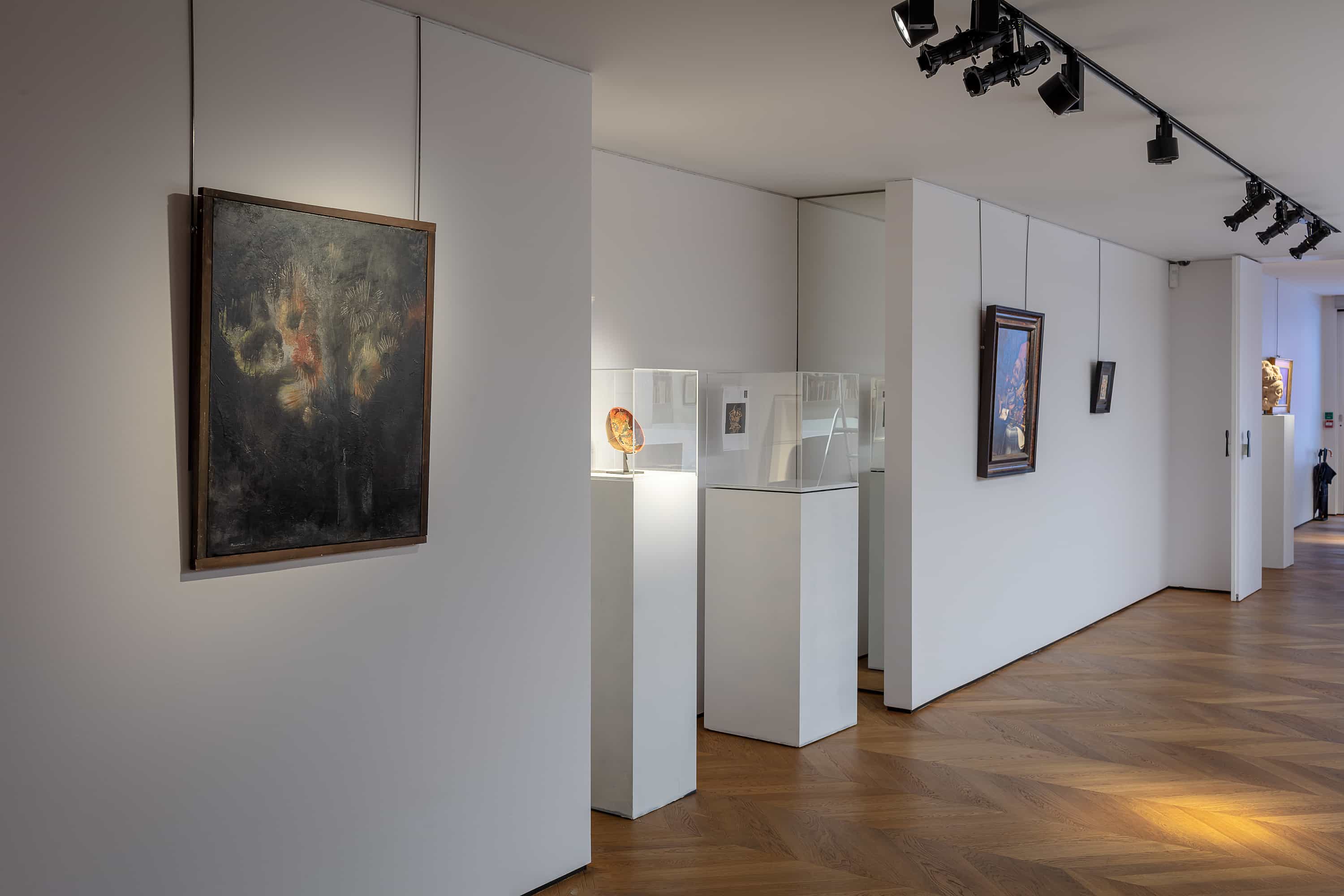
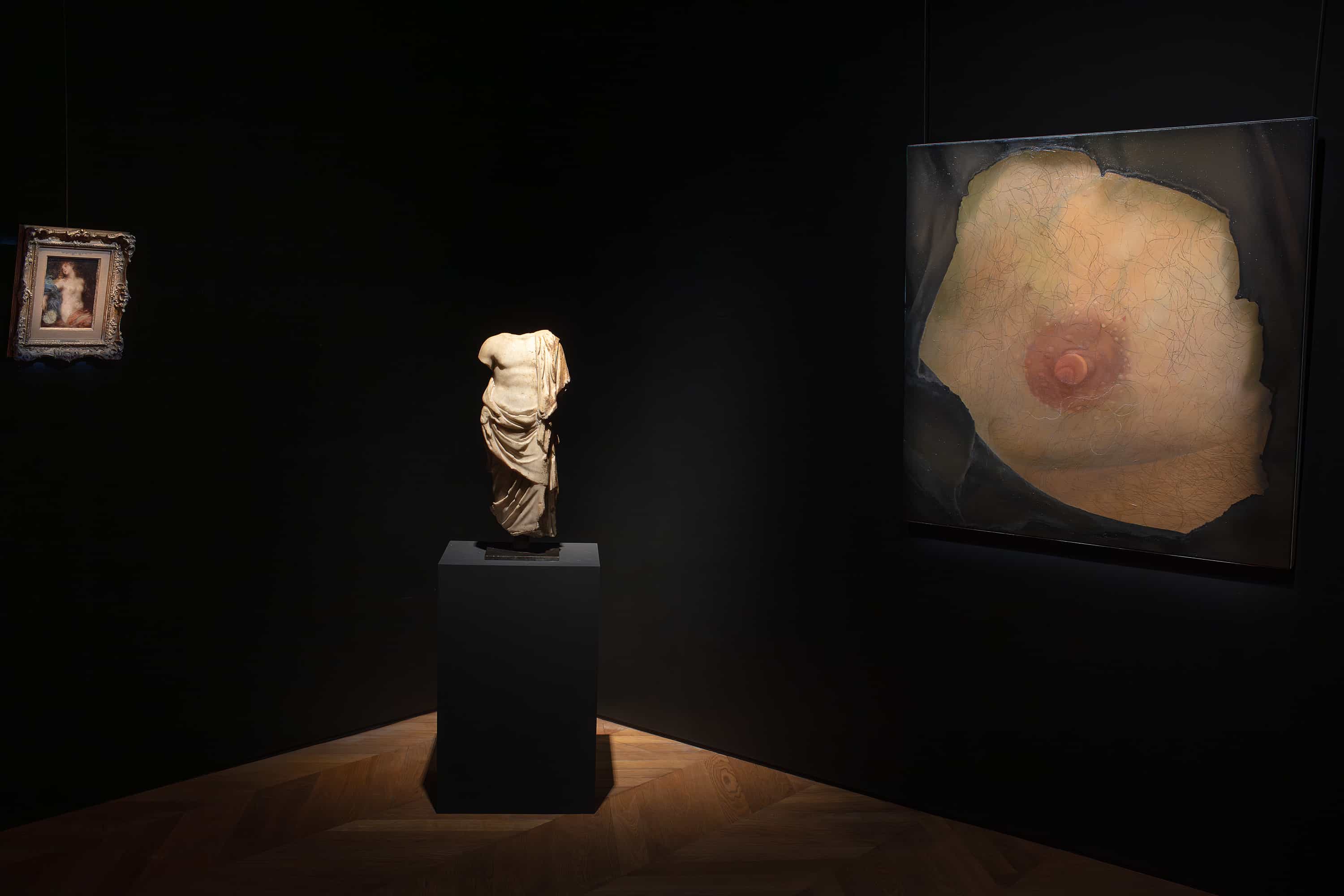
Colnaghi London is delighted to announce its forthcoming exhibition The Decay of Beauty. The Beauty of Decay., curated by Alfred Kren and on view from 9 October to 8 November 2024. Spanning millennia, the exhibition explores the tension between beauty and its inevitable decay, and the ways in which this relationship has inspired artistic creation across cultures and centuries. Through an ambitious juxtaposition of periods, media, and traditions, the exhibition presents unexpected dialogues between works, enriched by important loans from prestigious private collections that bring together rare masterpieces seldom seen in public.
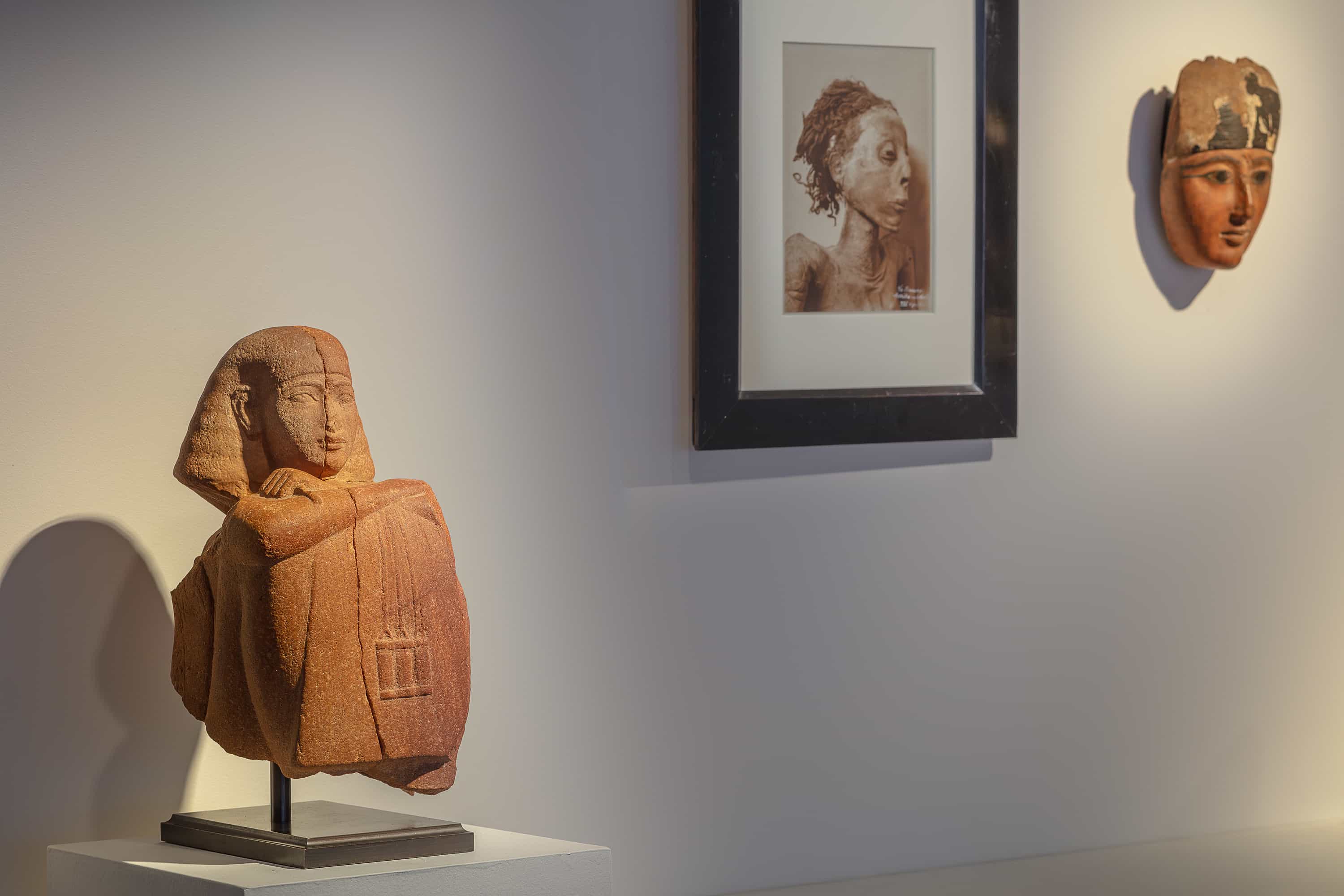
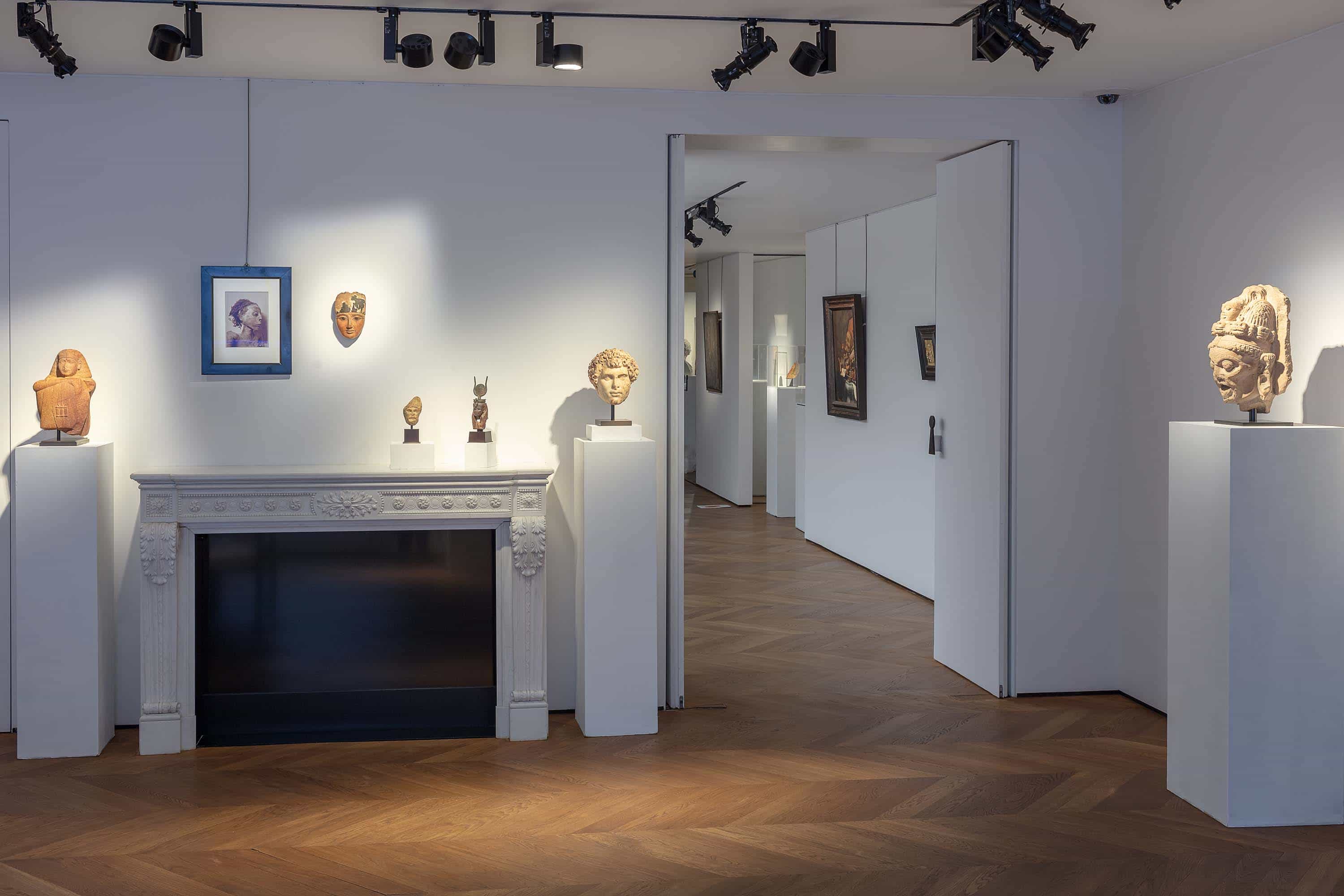
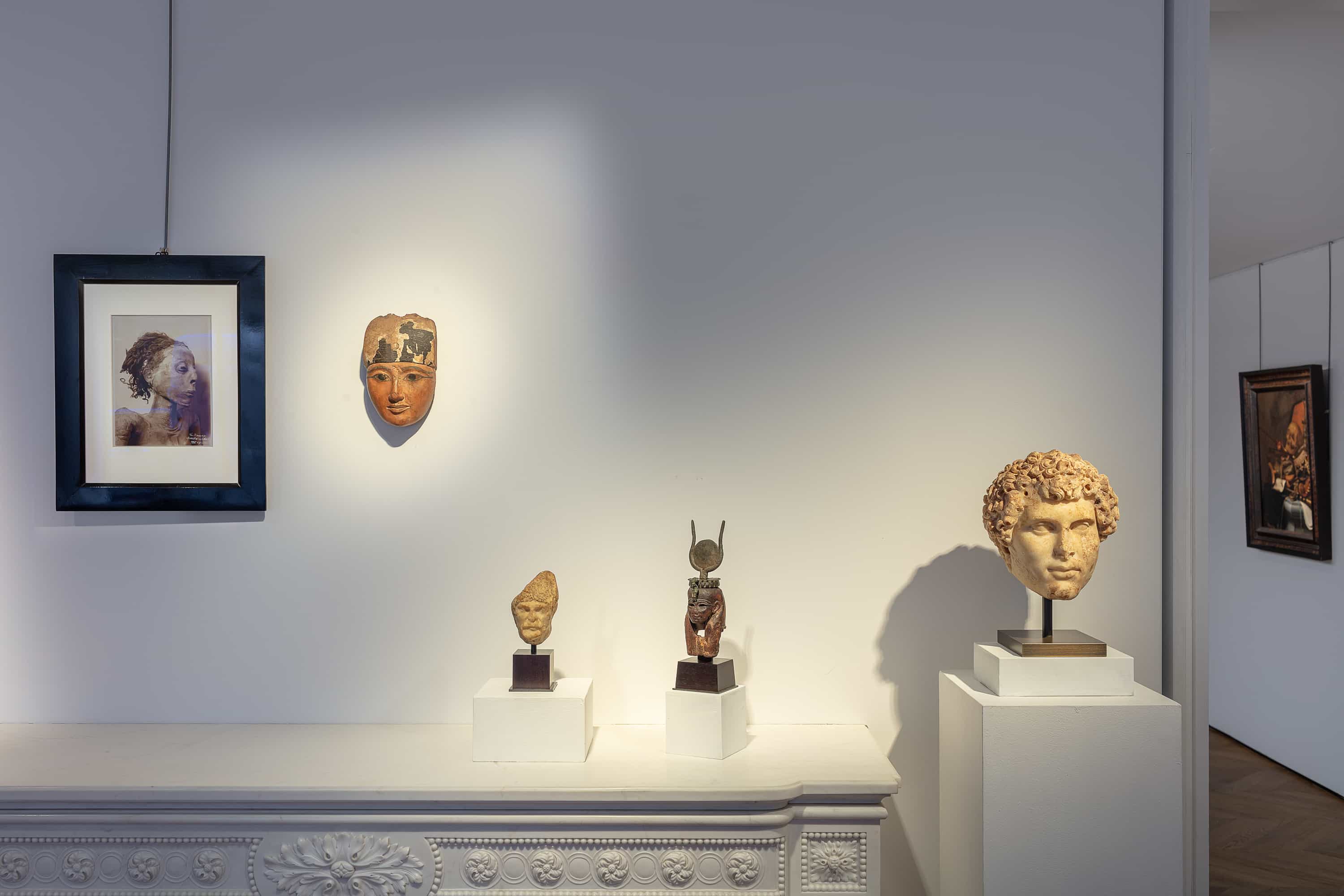
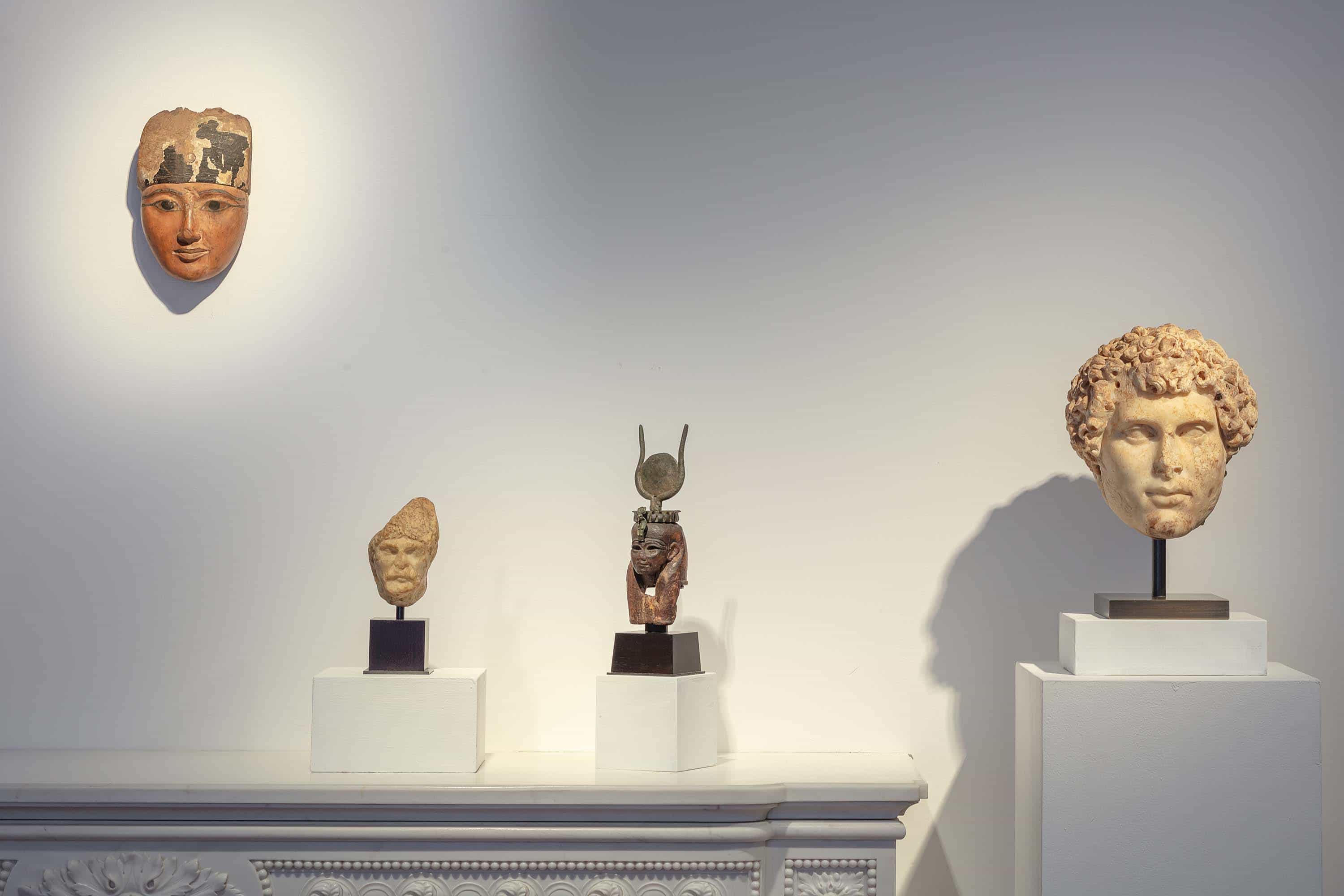
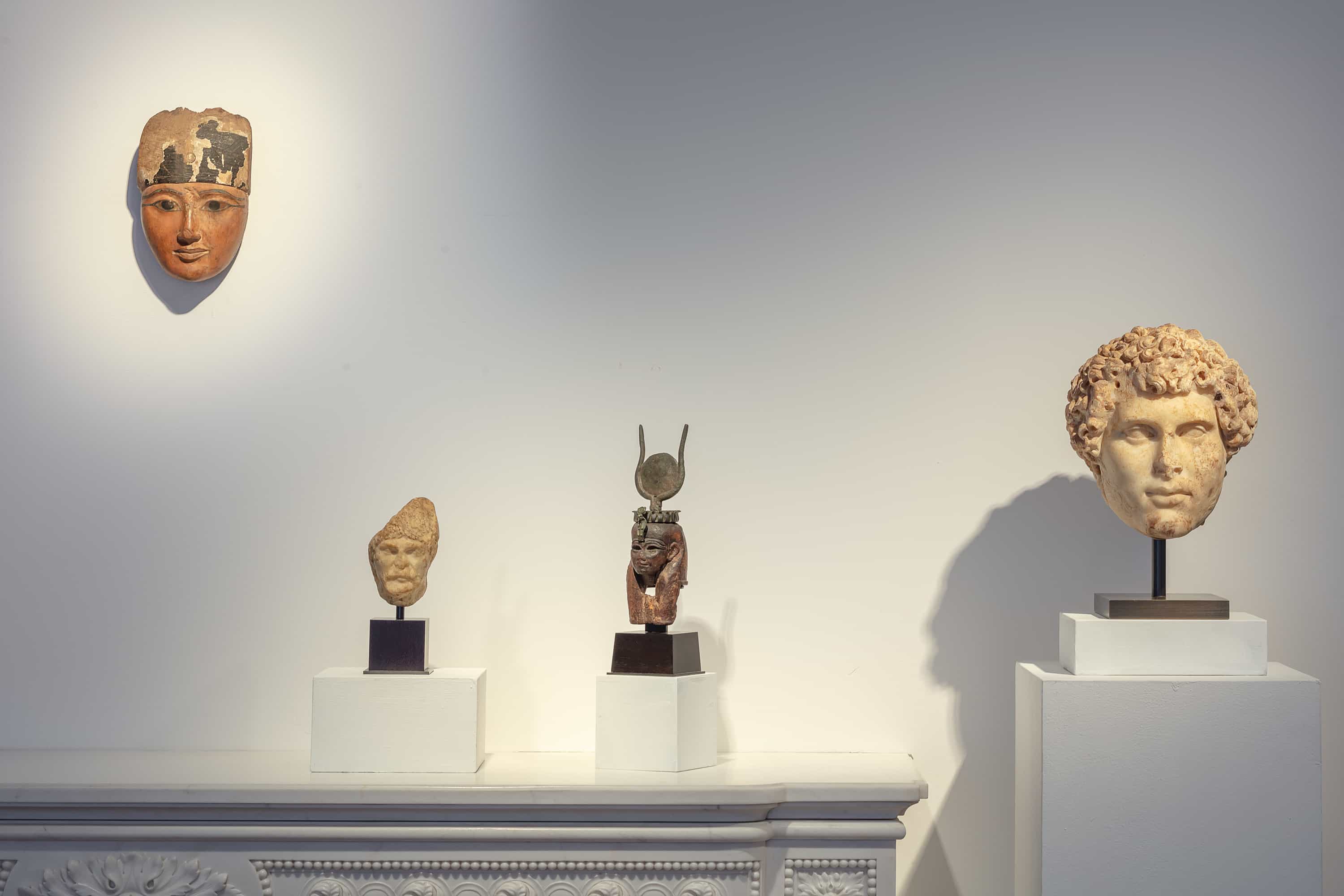
Among the earliest works on display are exceptional Egyptian and Roman sculptures presented alongside works extending into the twentieth century. A particularly striking pairing brings together an Egyptian sarcophagus face from the Twenty-second Dynasty (c. 942–715 BC) with a nineteenth-century photograph by Émile Brugsch (1842–1930) depicting a recently excavated mummy, dramatically expanding the viewer’s understanding of Egyptian funerary culture while revealing some of its enduring mysteries.
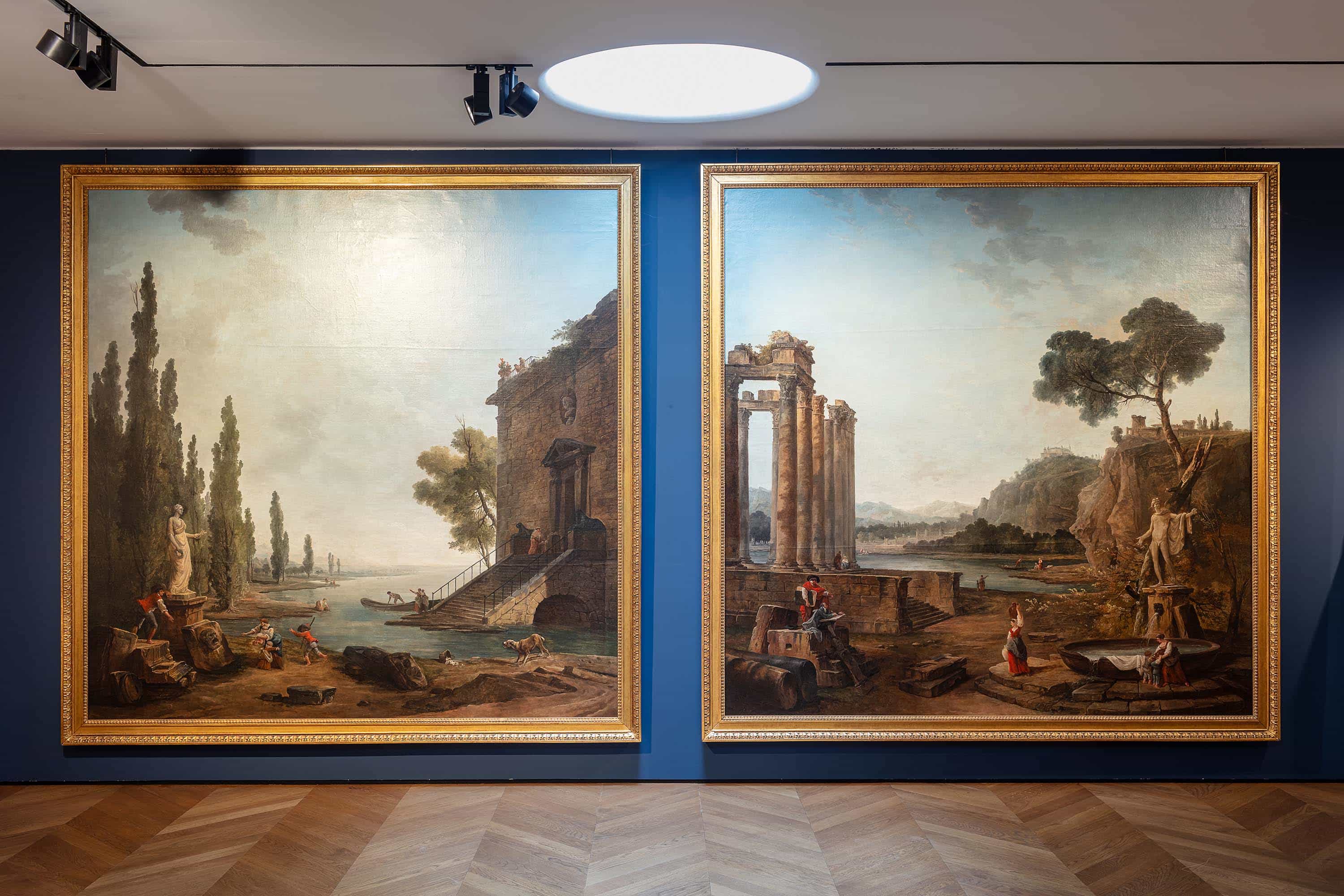
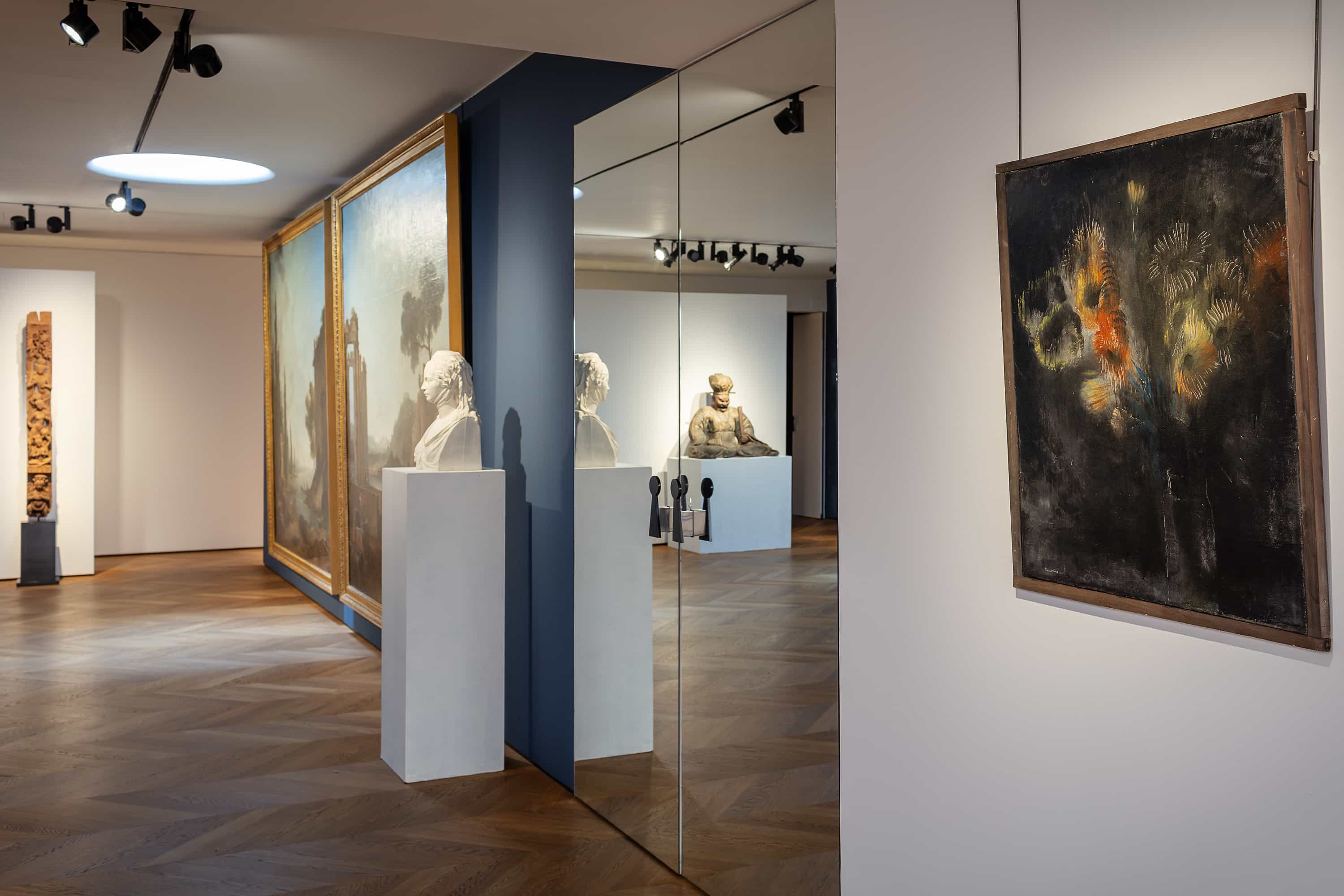
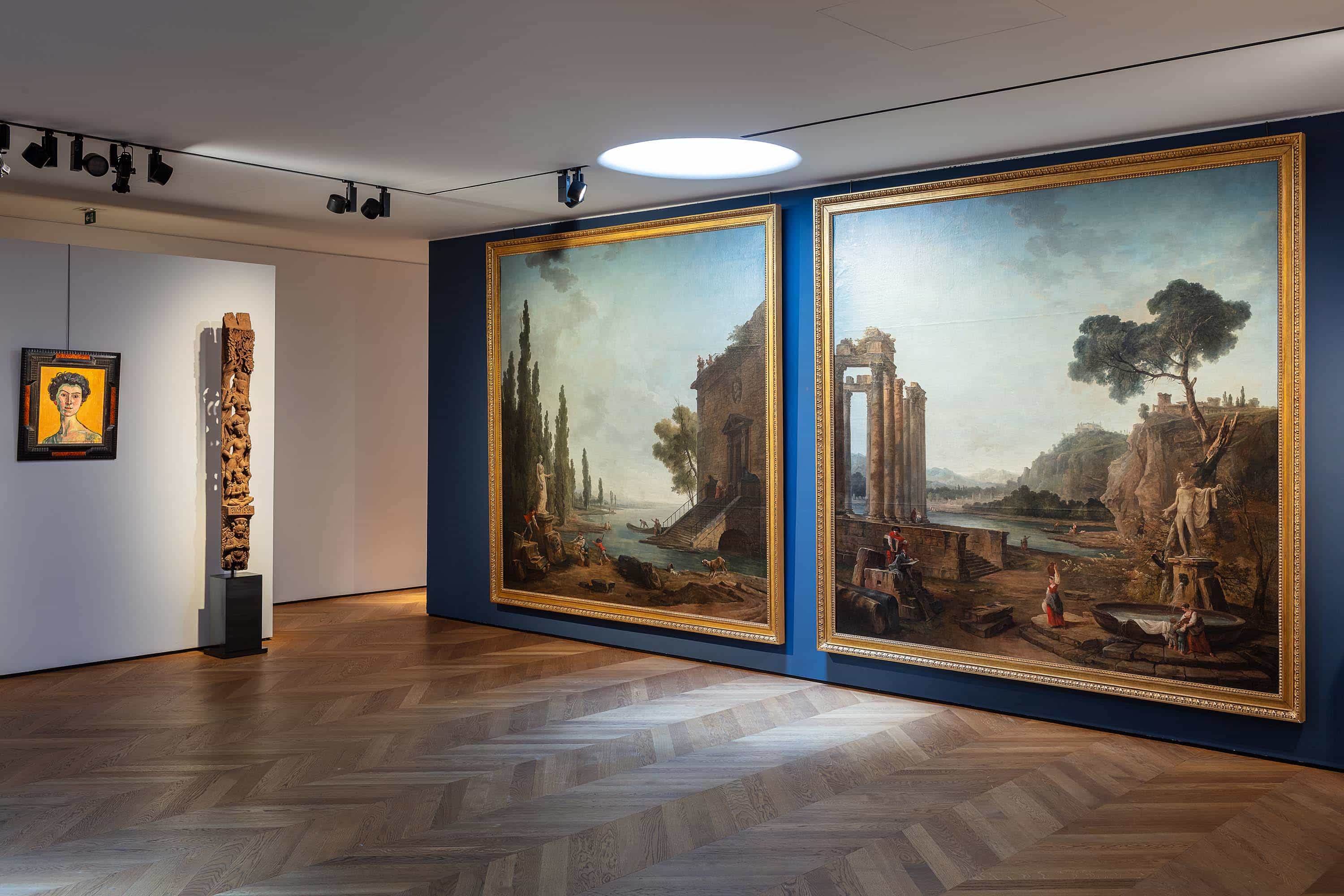
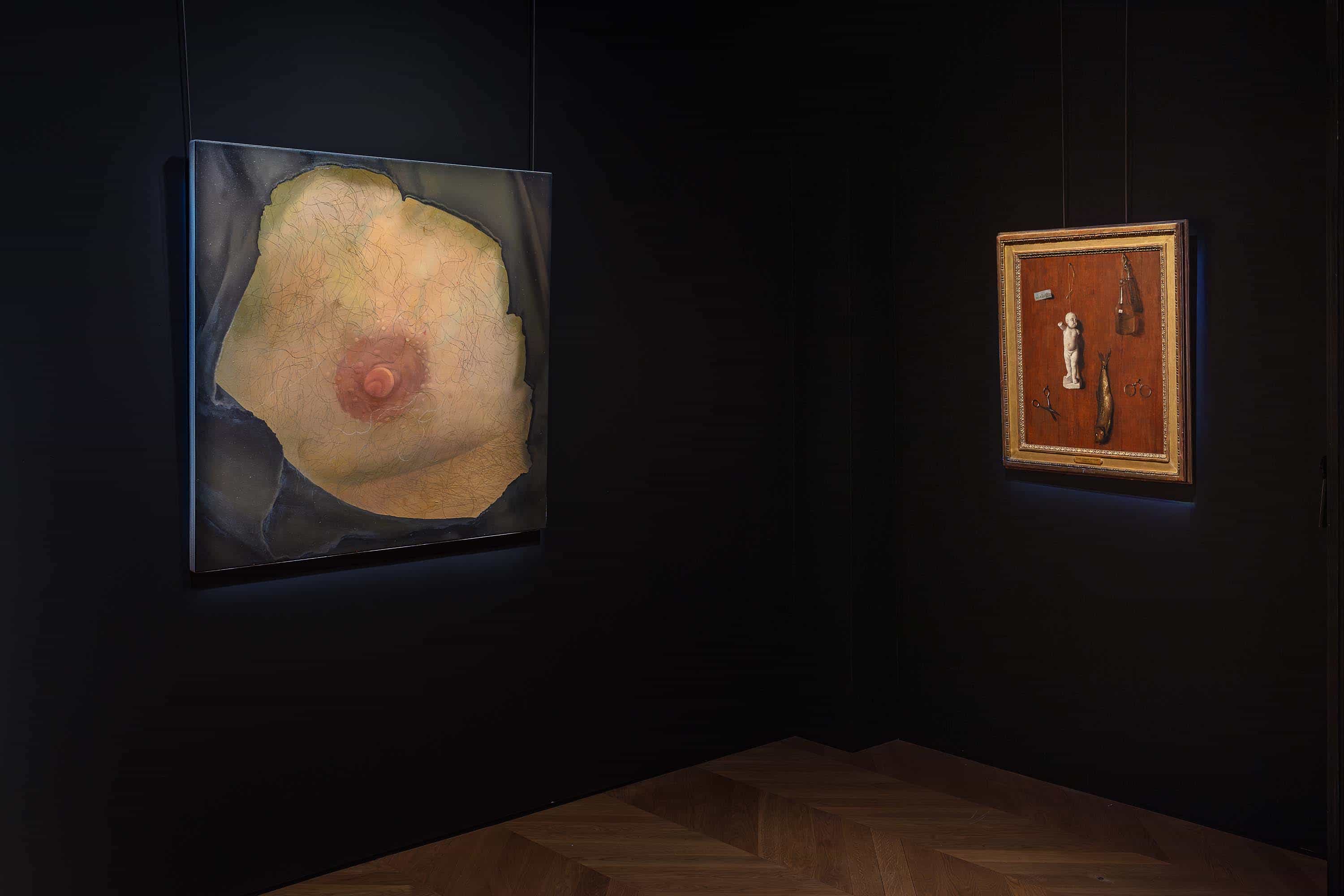
Artworks from eighteenth- and nineteenth-century Europe demonstrate artists’ enduring fascination with the ruins and fragments of antiquity. The traditions of trompe-l’oeil and architectural capricci—genres that merge real and imagined ruins within landscapes of memory and imagination—are eloquently represented through an intimate painting by Louis-Léopold Boilly (1761–1845) and a pair of monumental canvases by Hubert Robert (1733–1808).
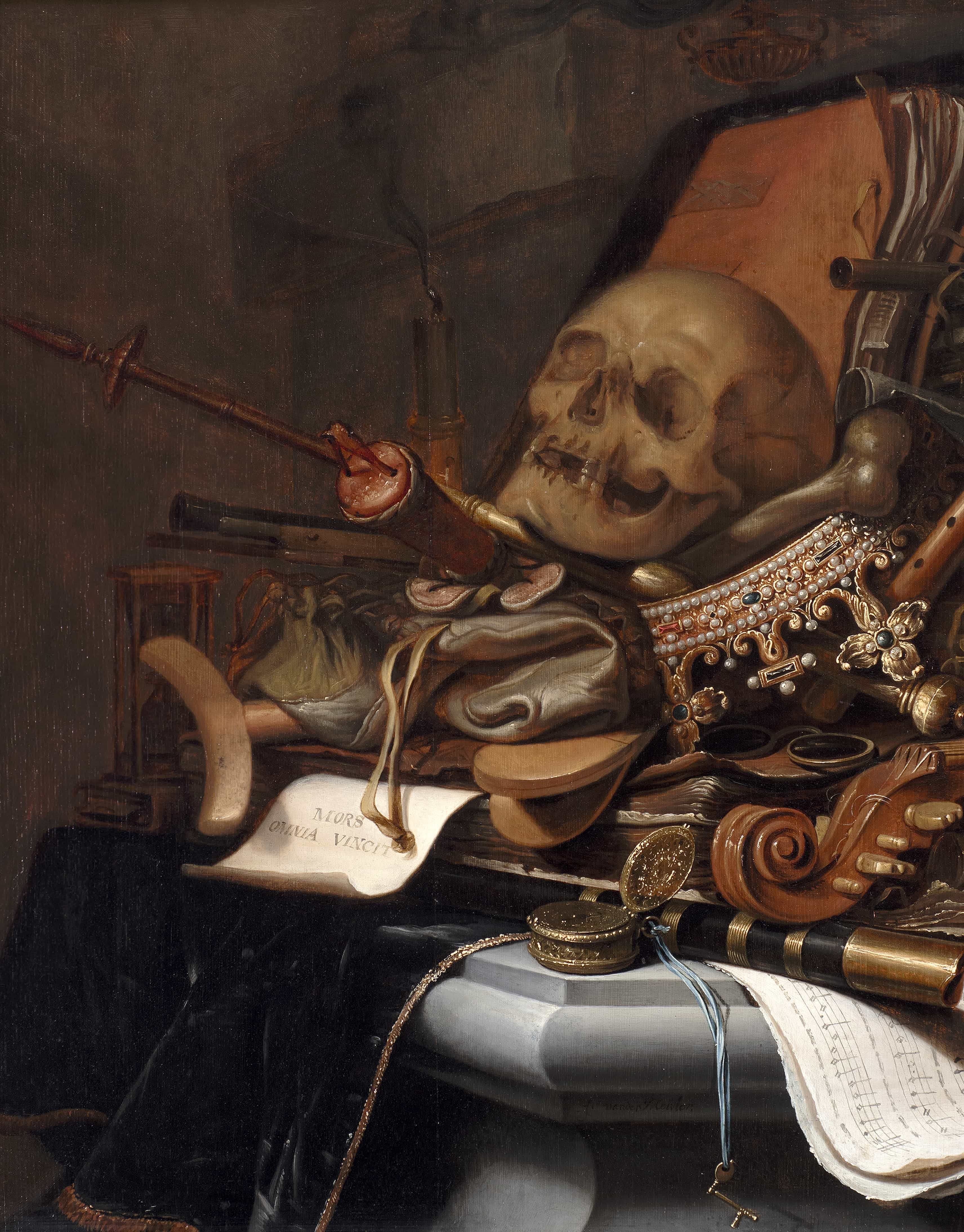
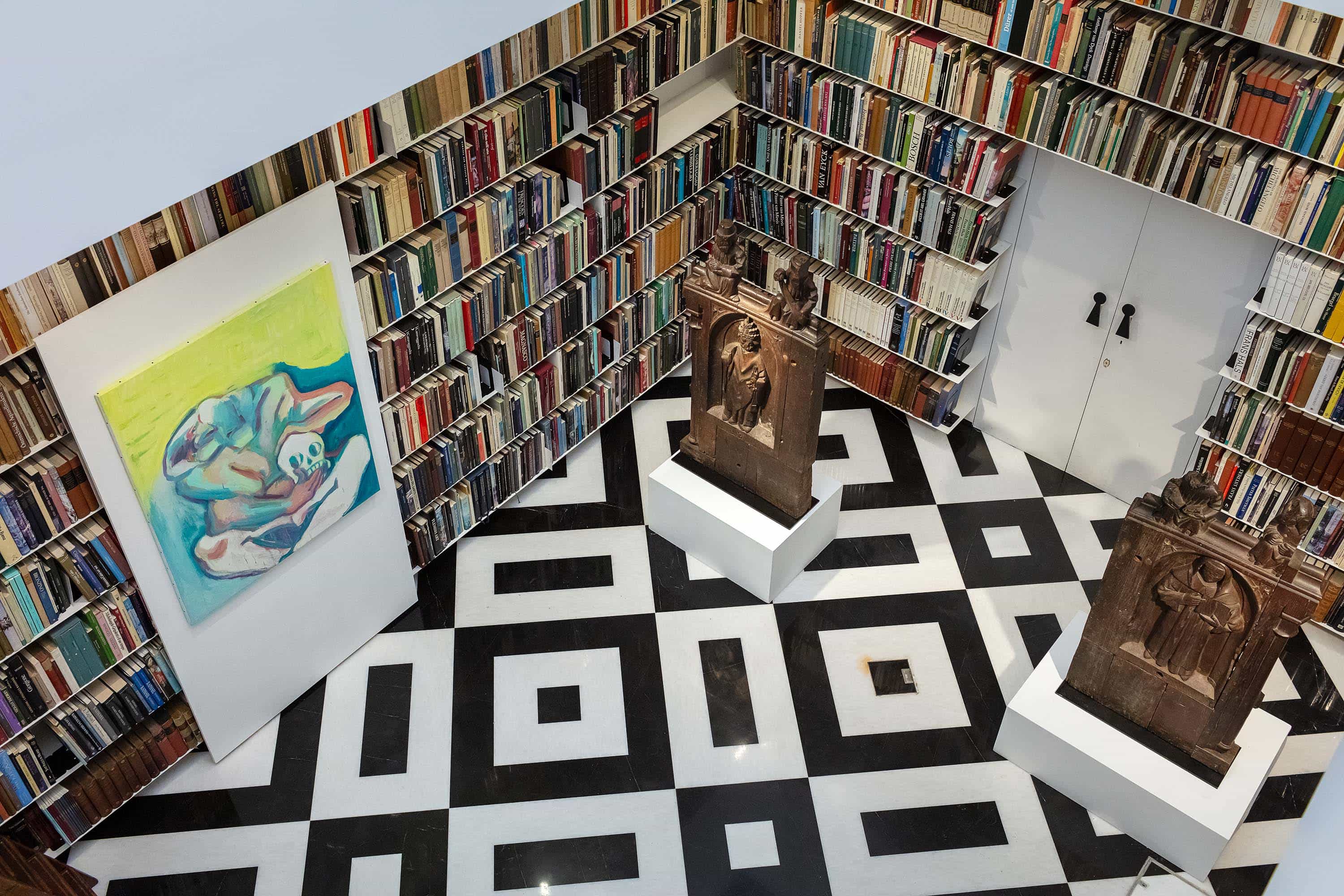
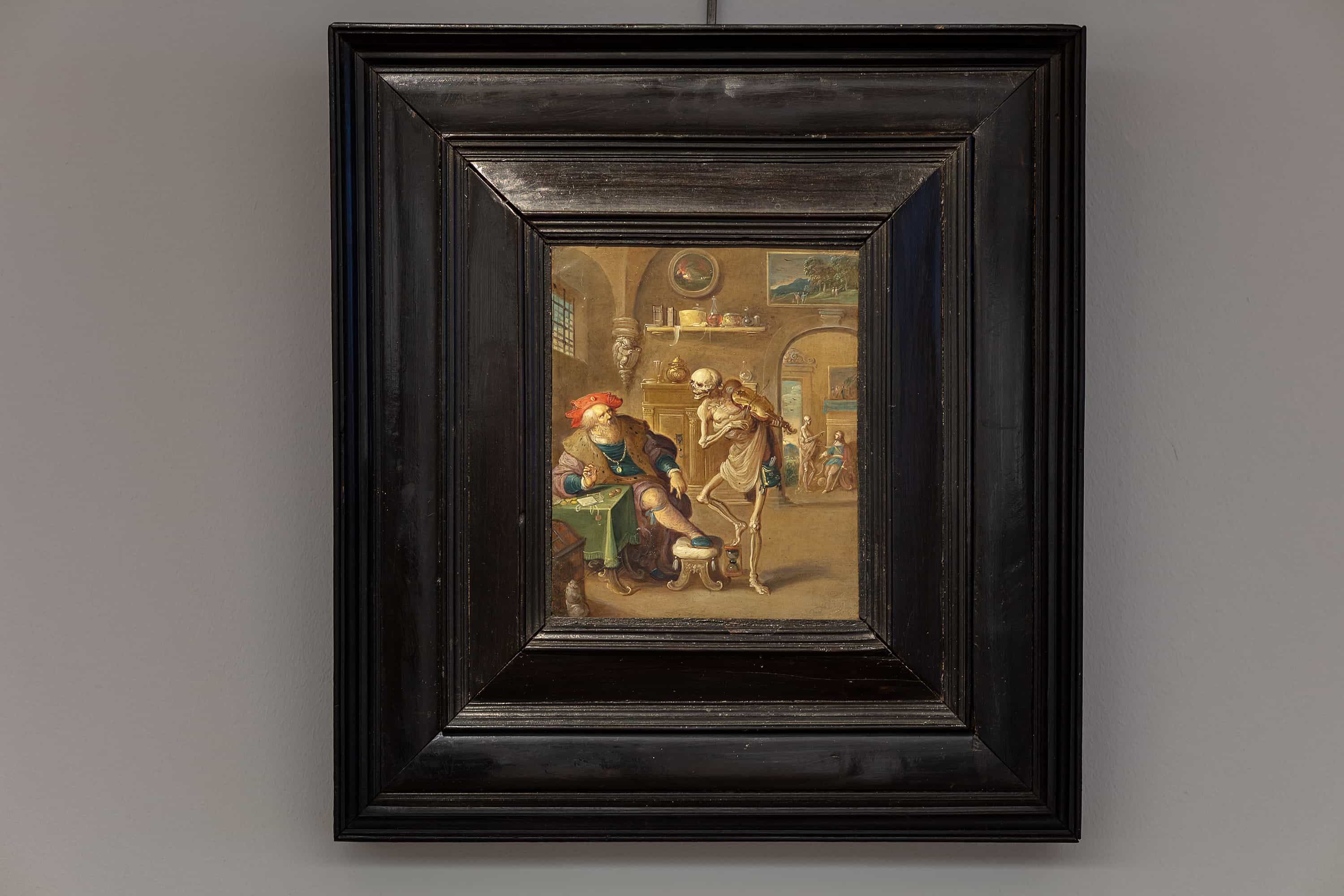
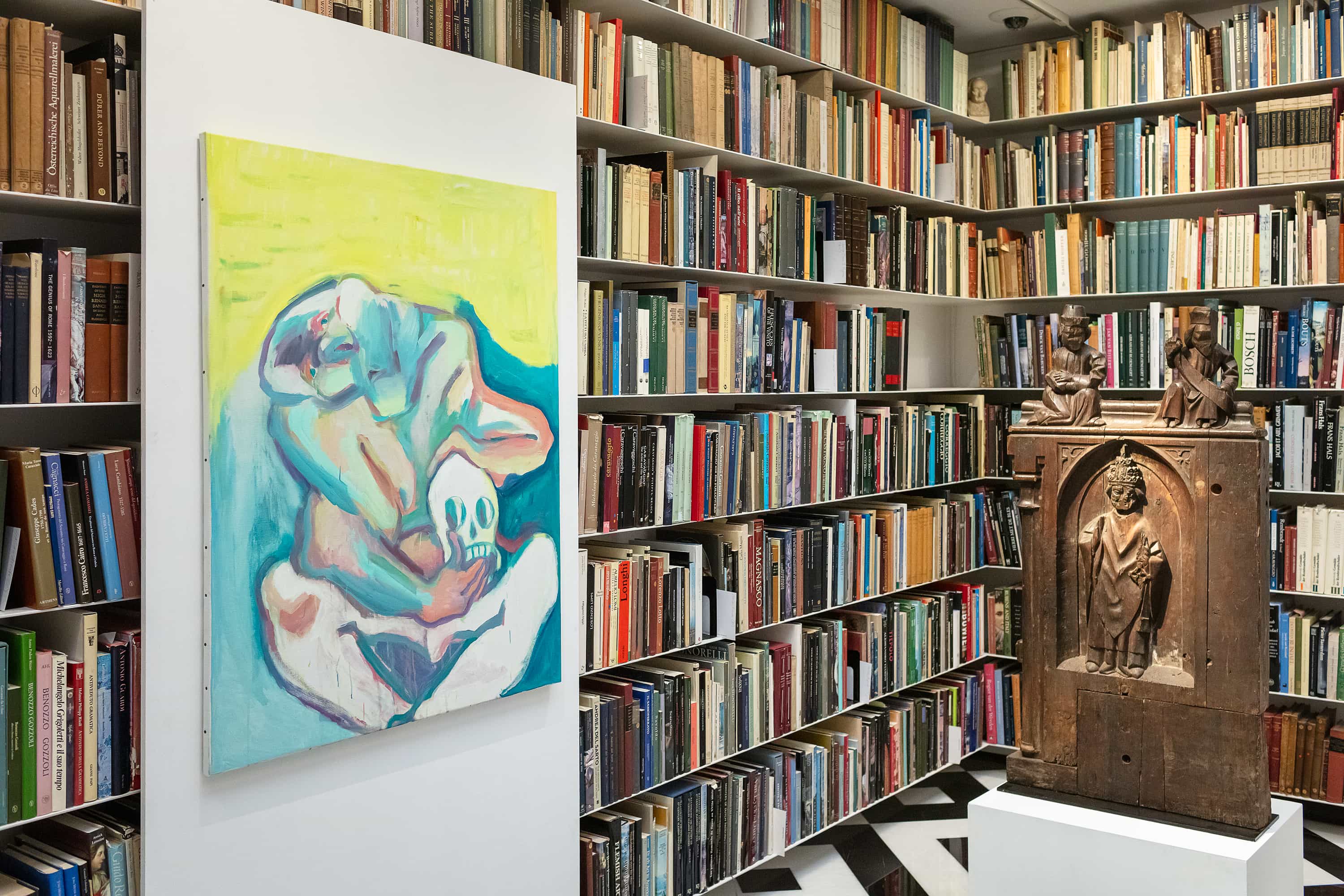
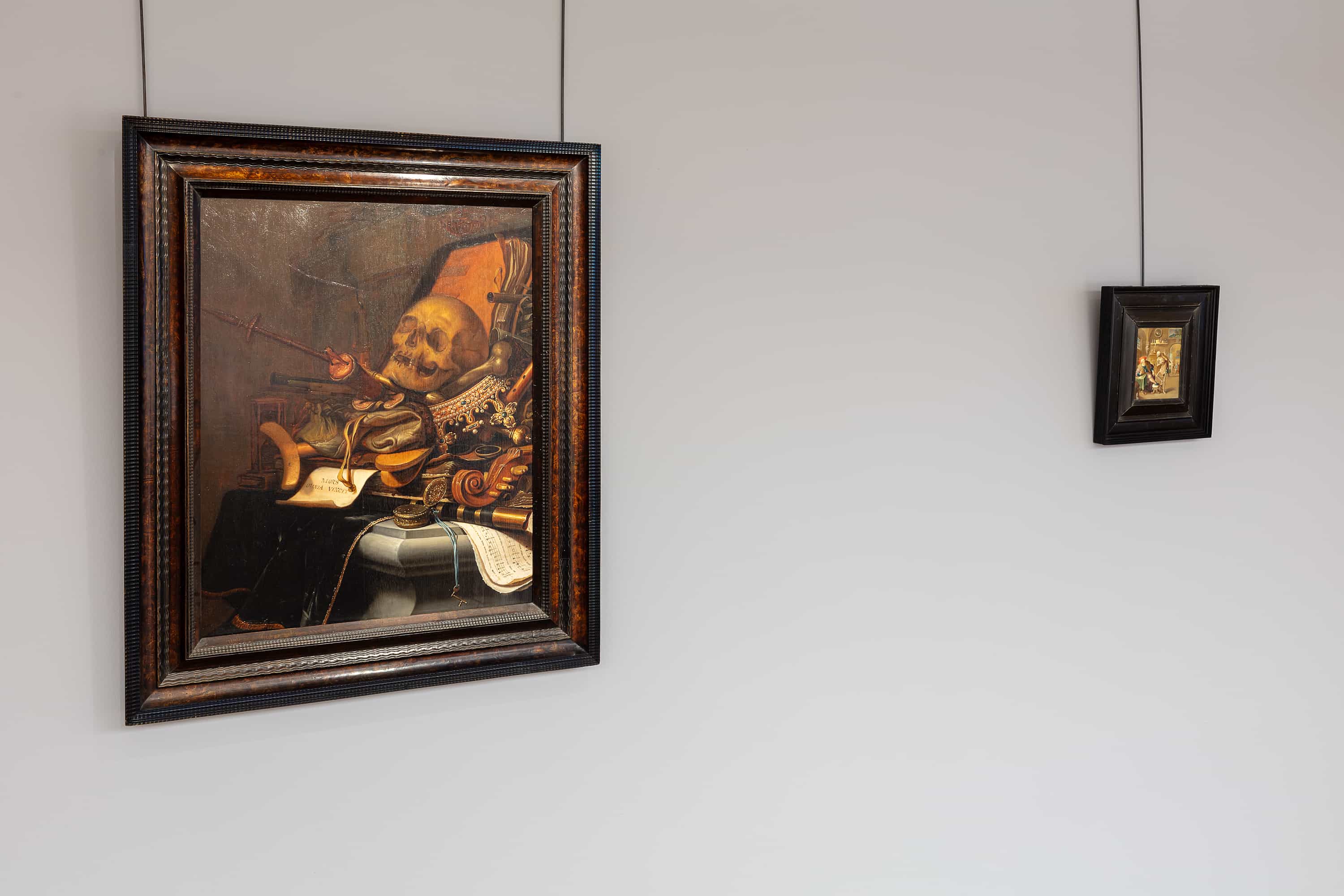
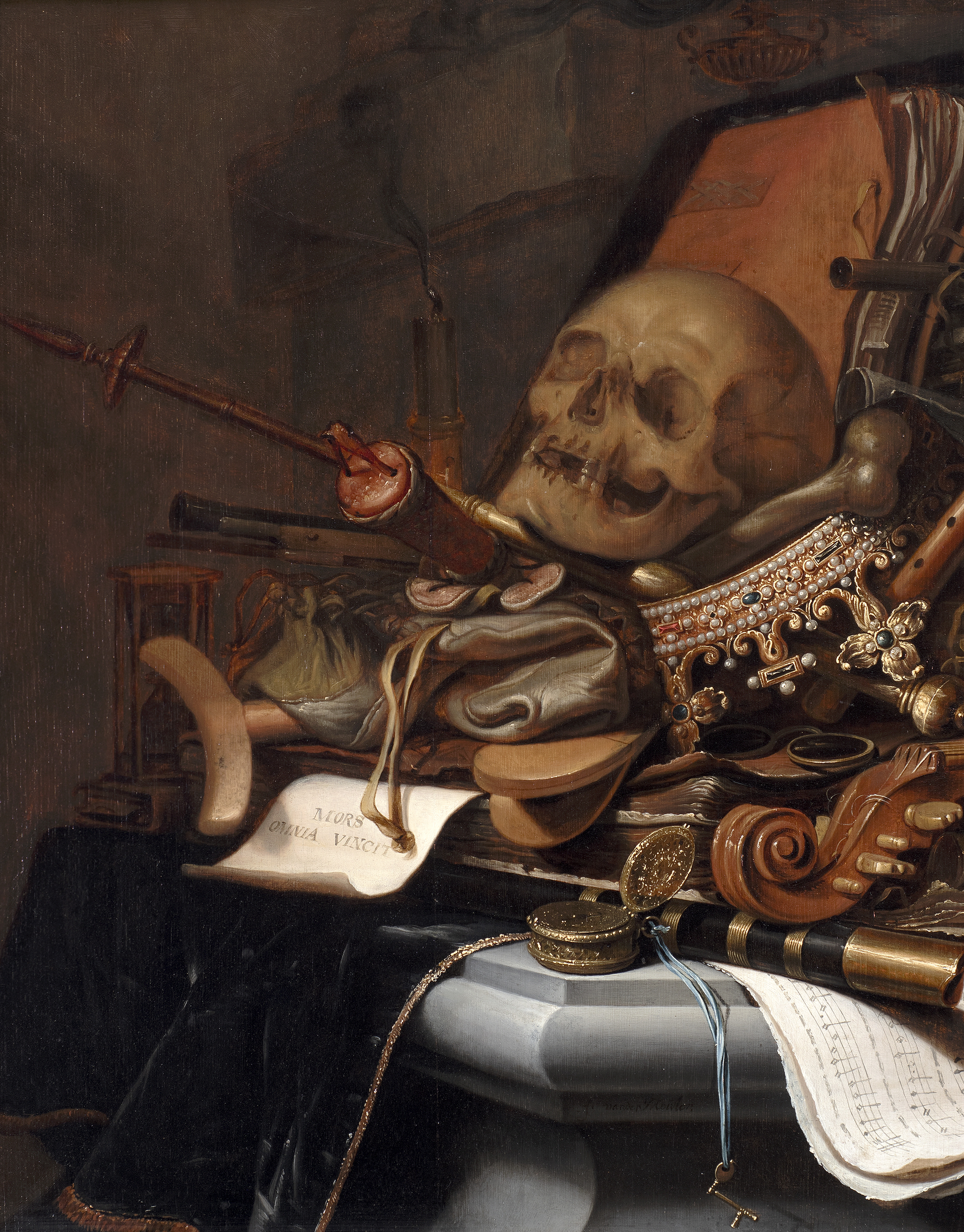
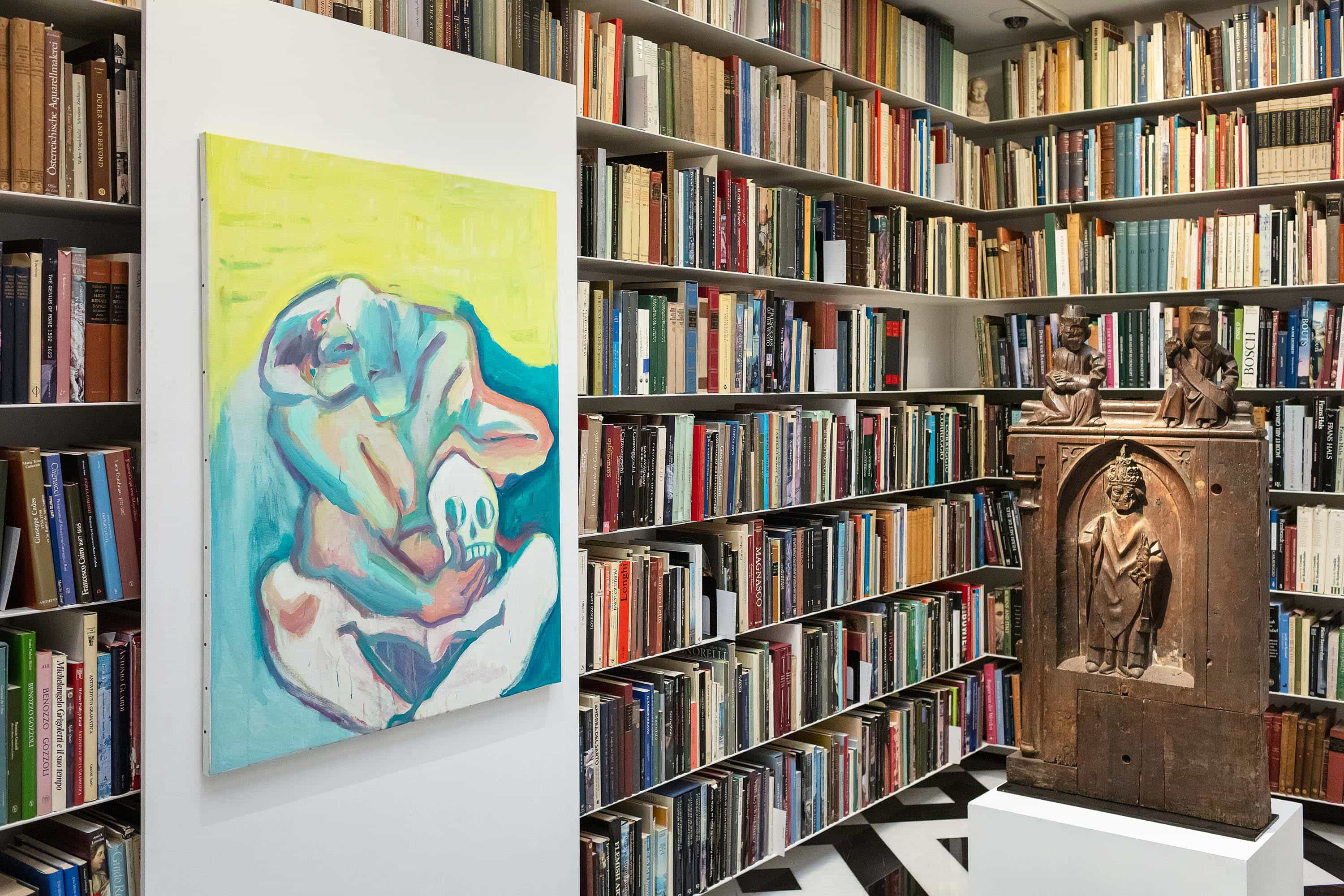
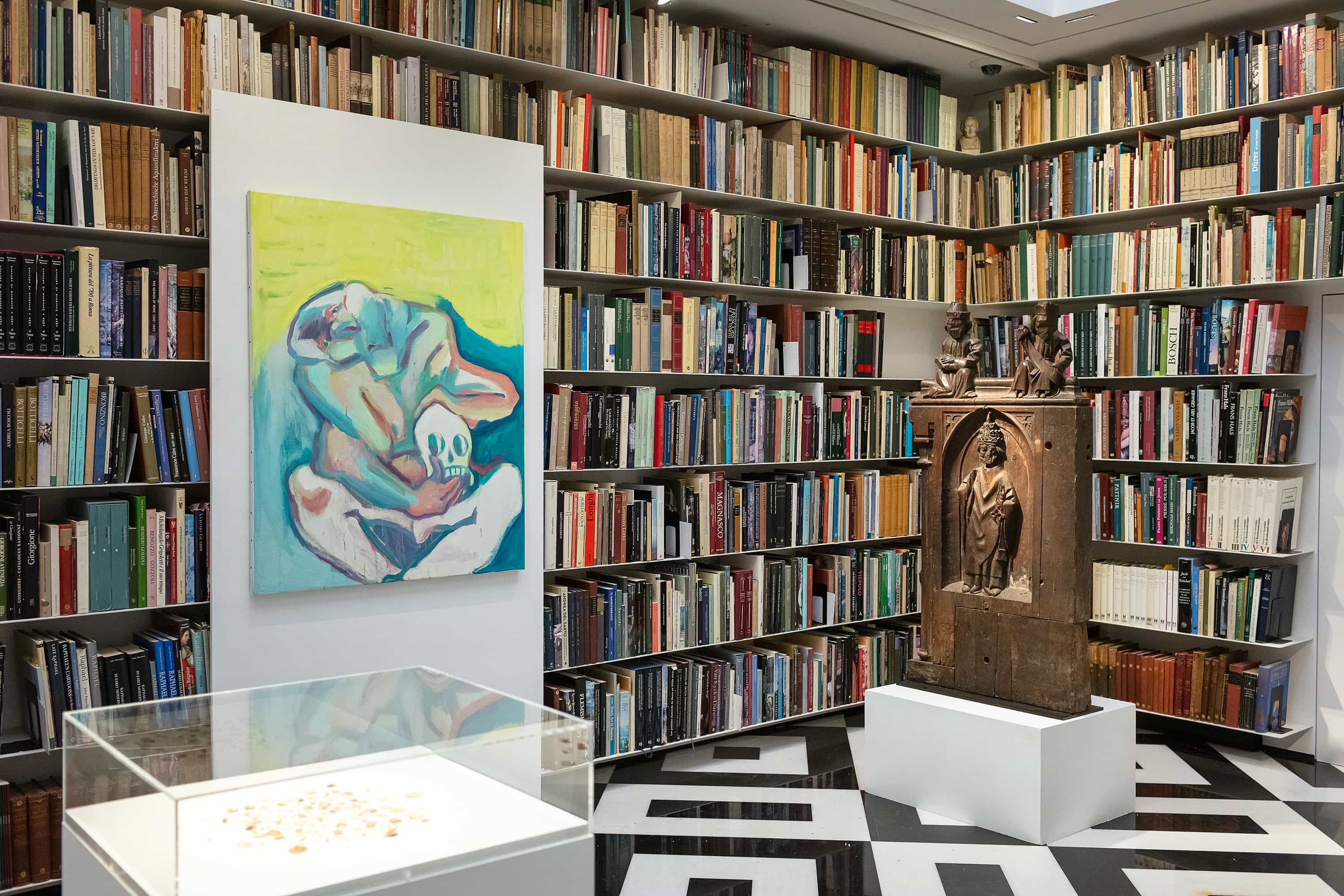
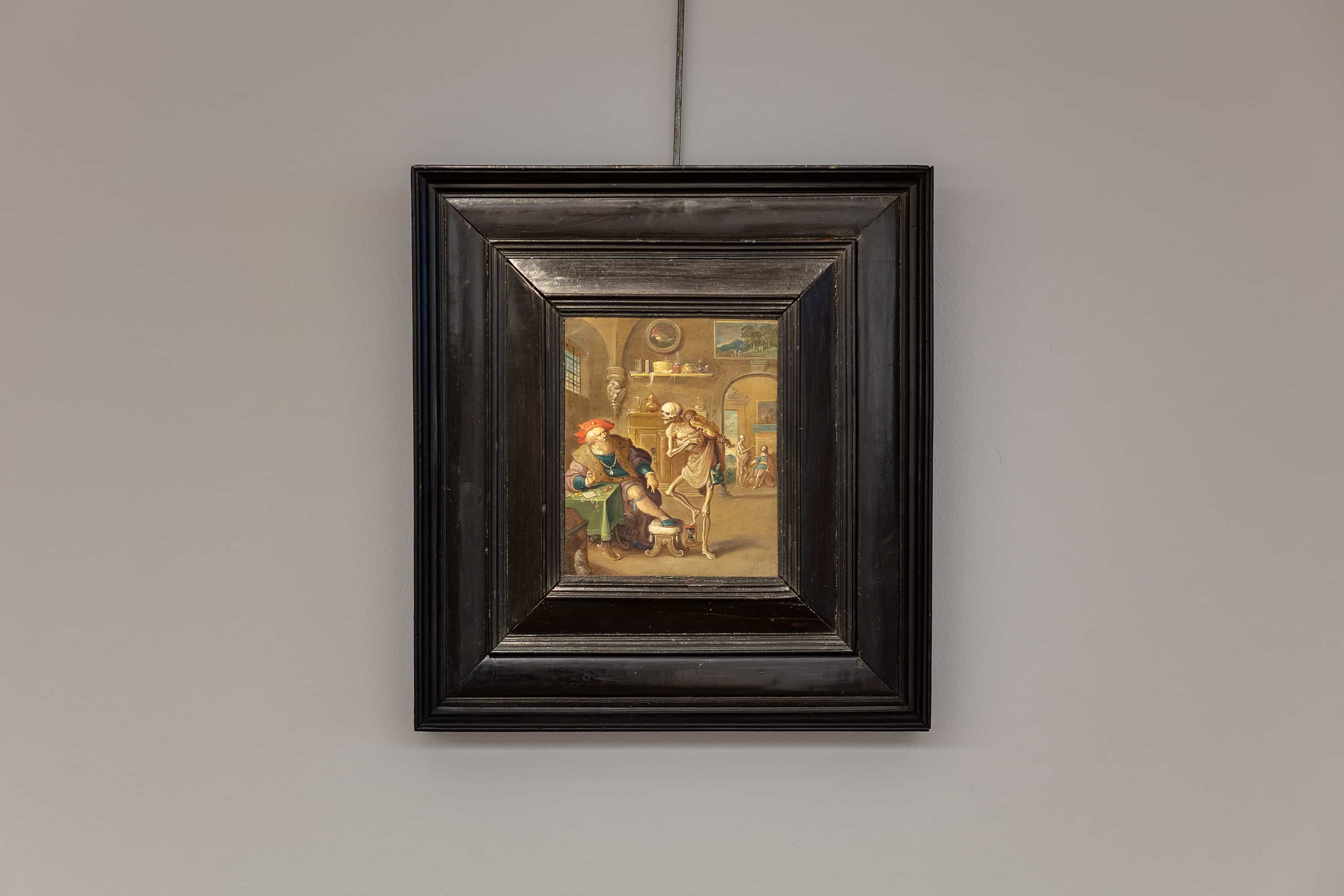
The exhibition also investigates the classical European themes of vanitas and memento mori, examining the interplay between beauty and mortality through the lens of Christian belief. A vanitas painting by Dutch Golden Age painter Jan Vermeulen (1638–1674) enters into direct dialogue with Memento mori (2002) by Maria Lassnig (1919–2014), linking works separated by centuries through shared iconography and meditations on mortality.
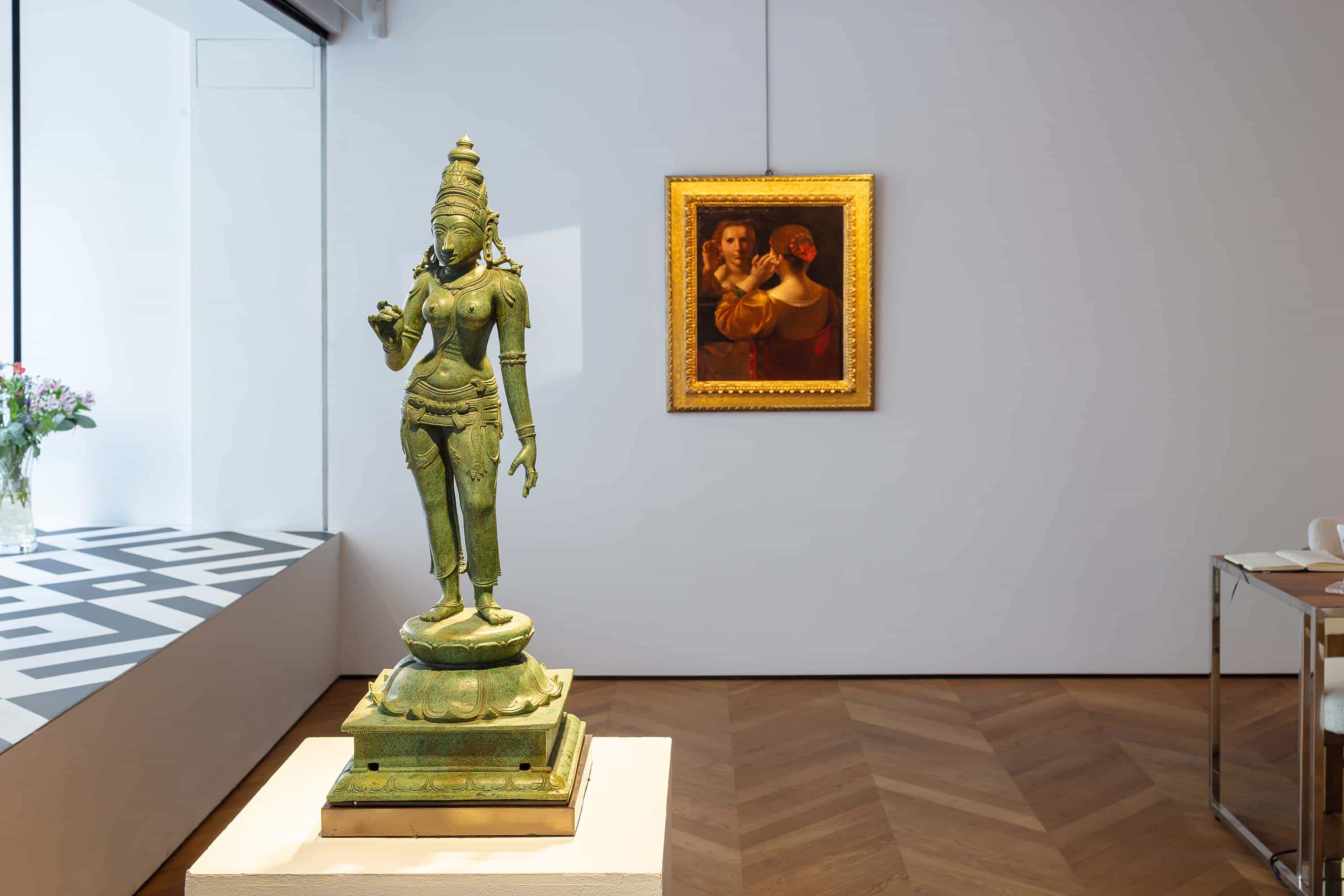
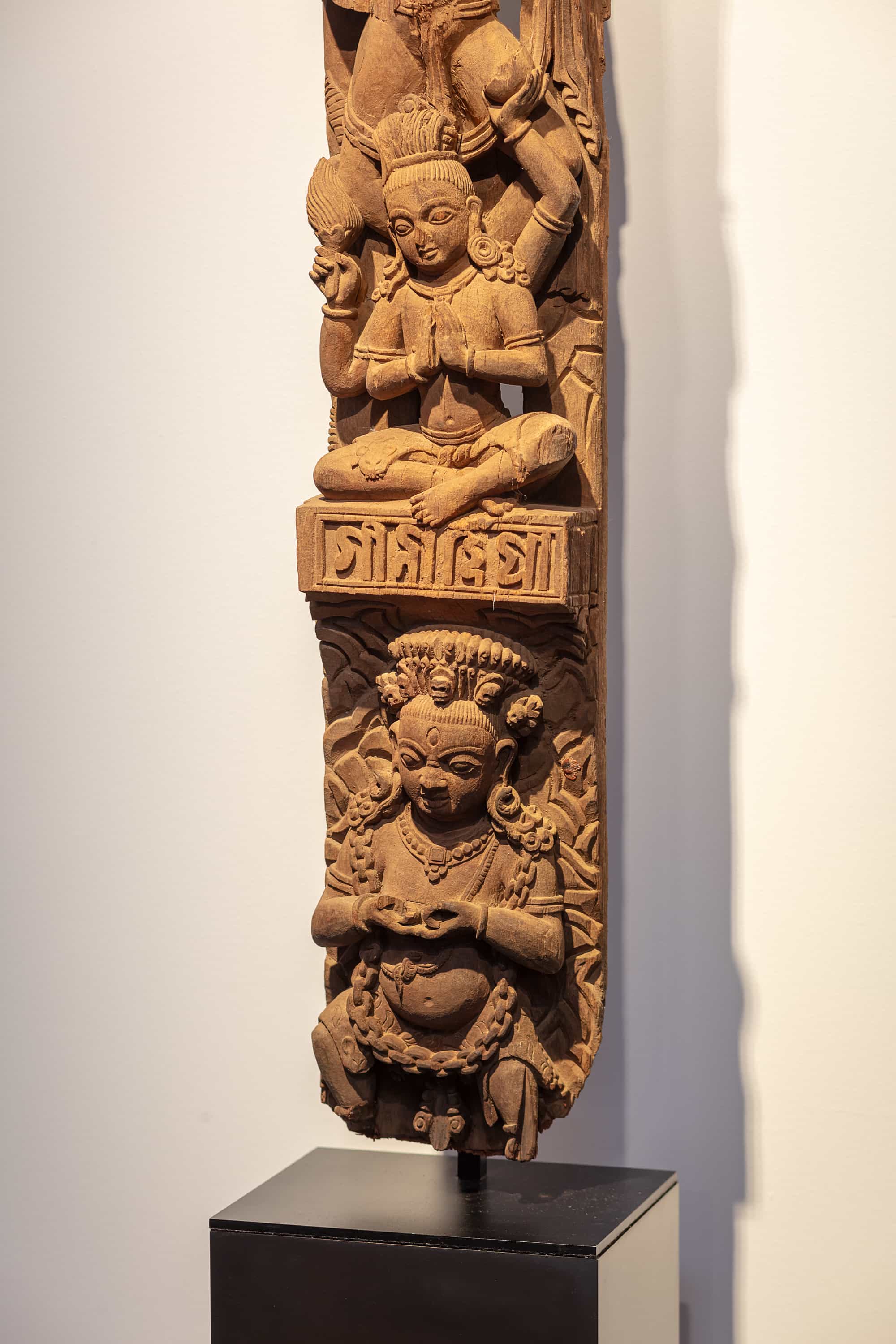
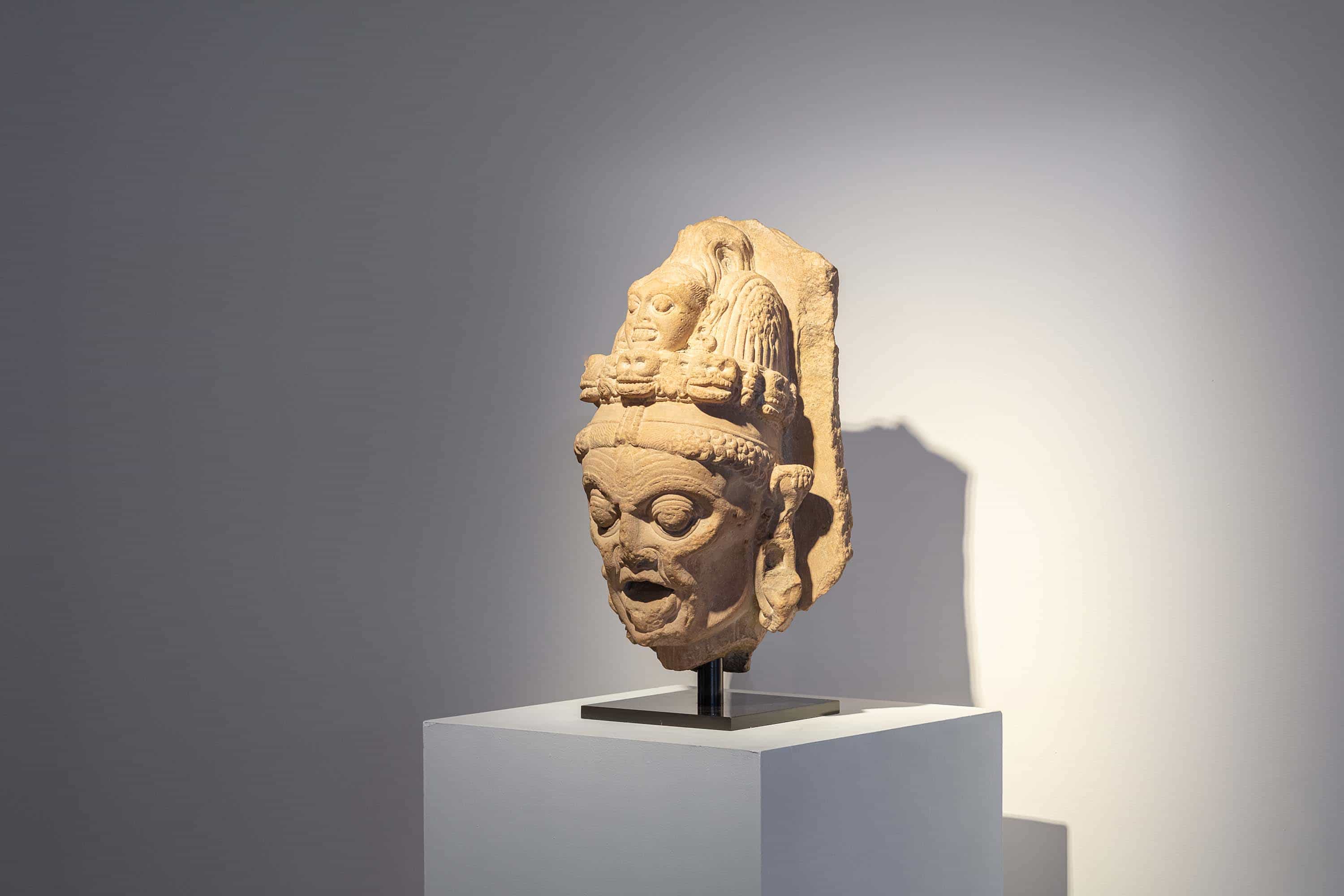
This duality between decay and beauty is further explored through the figures of Chamunda and Parvati in Indian mythology, as well as through Buddhist works from Mongolia and Tibet. Chamunda, portrayed with skeletal features, is said to emerge from the brow of Parvati (also known as Uma) and is understood as one of the goddess’s forms, while Parvati herself is traditionally depicted as an idealised embodiment of feminine beauty. An Indian tenth-century bust of Chamunda and a mid-twelfth-century Chola bronze representation of Uma stand among the exhibition’s most compelling juxtapositions.
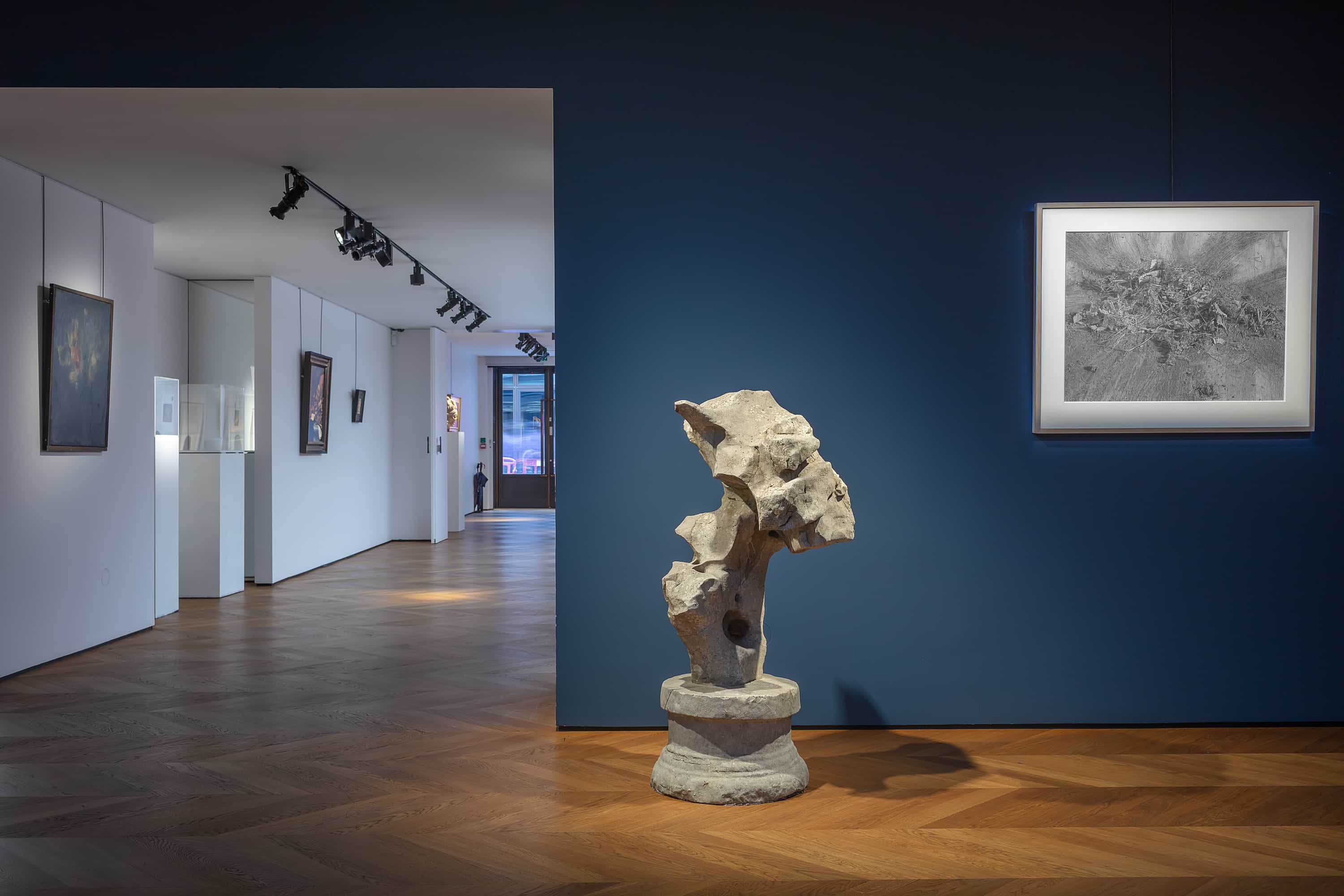
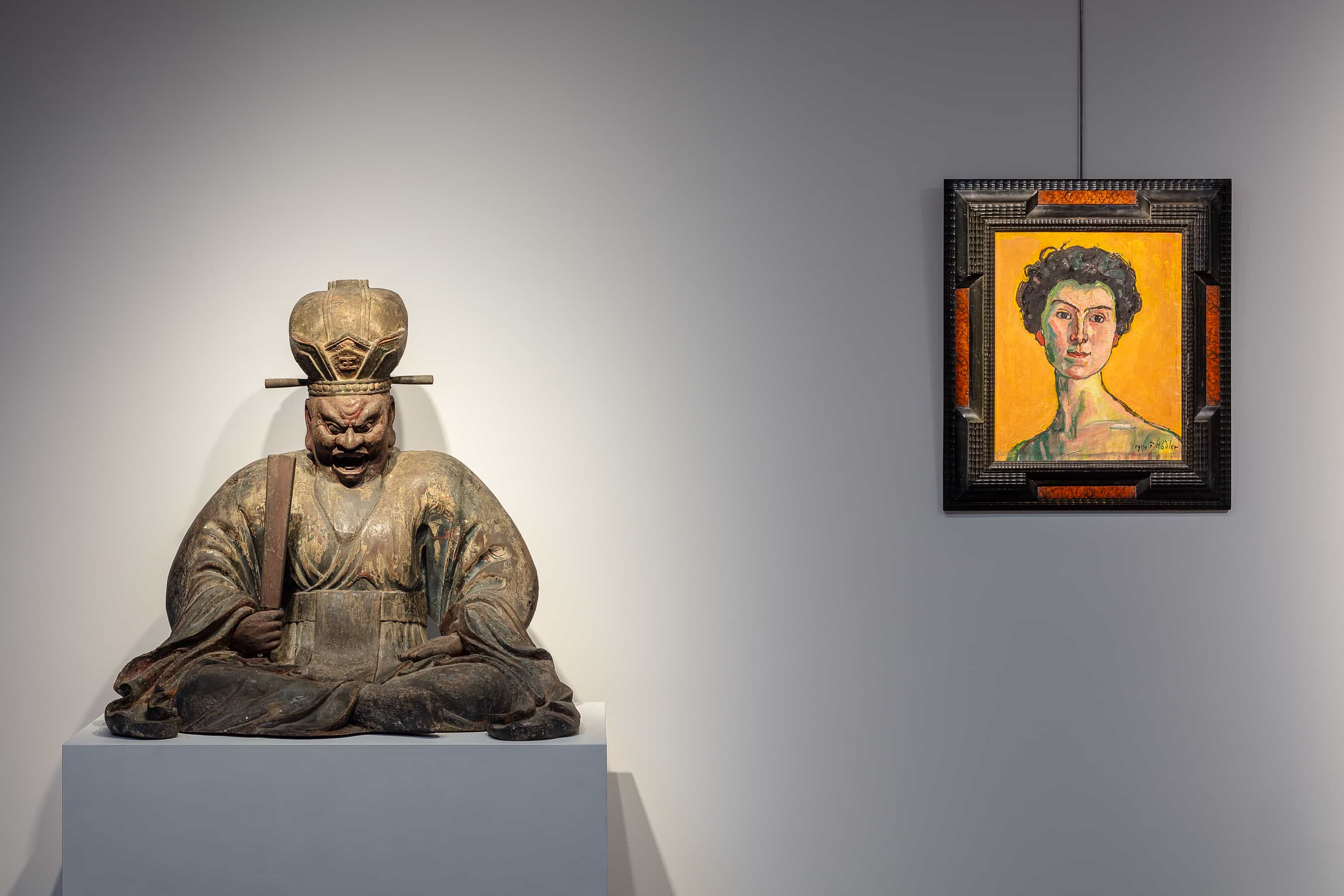
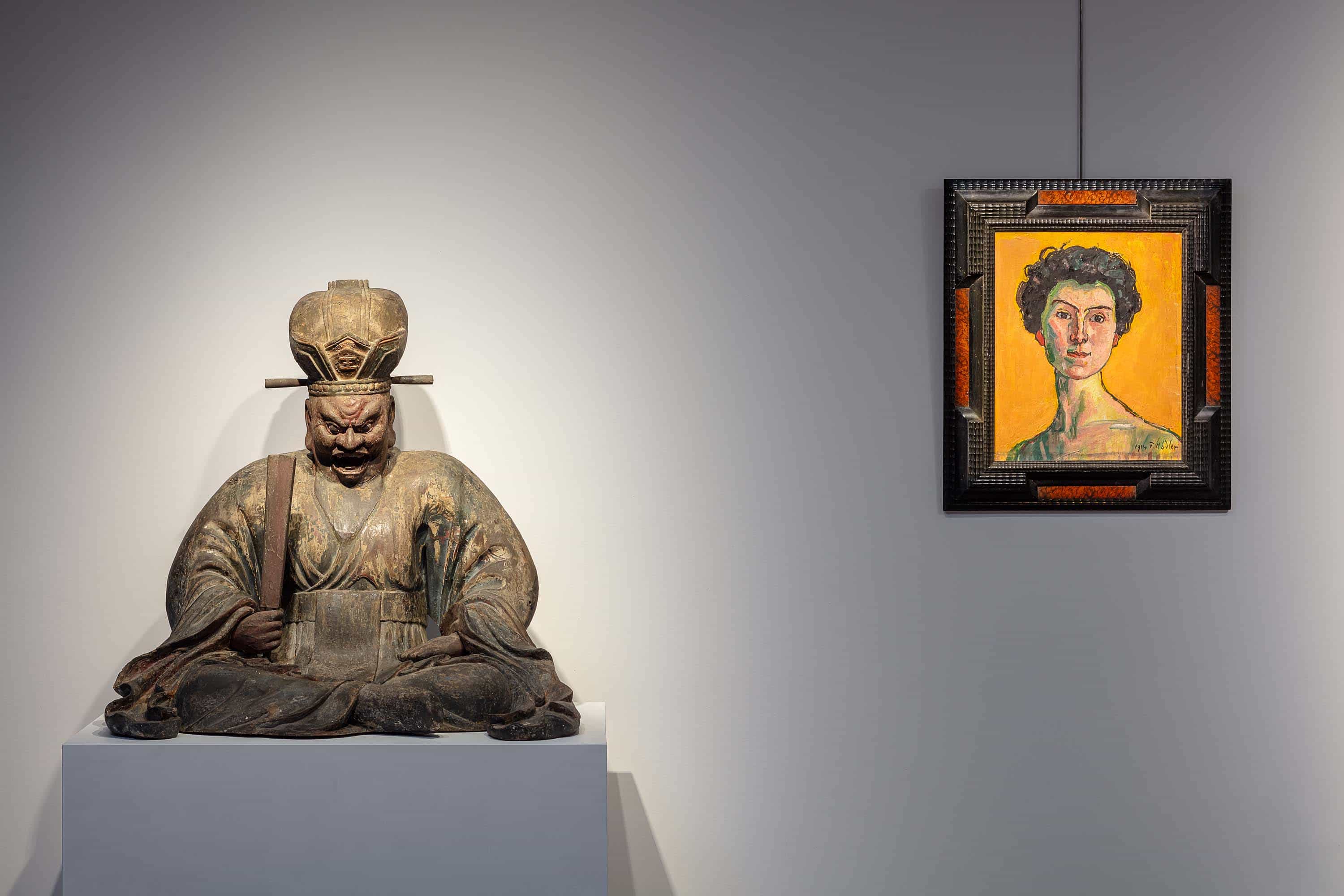
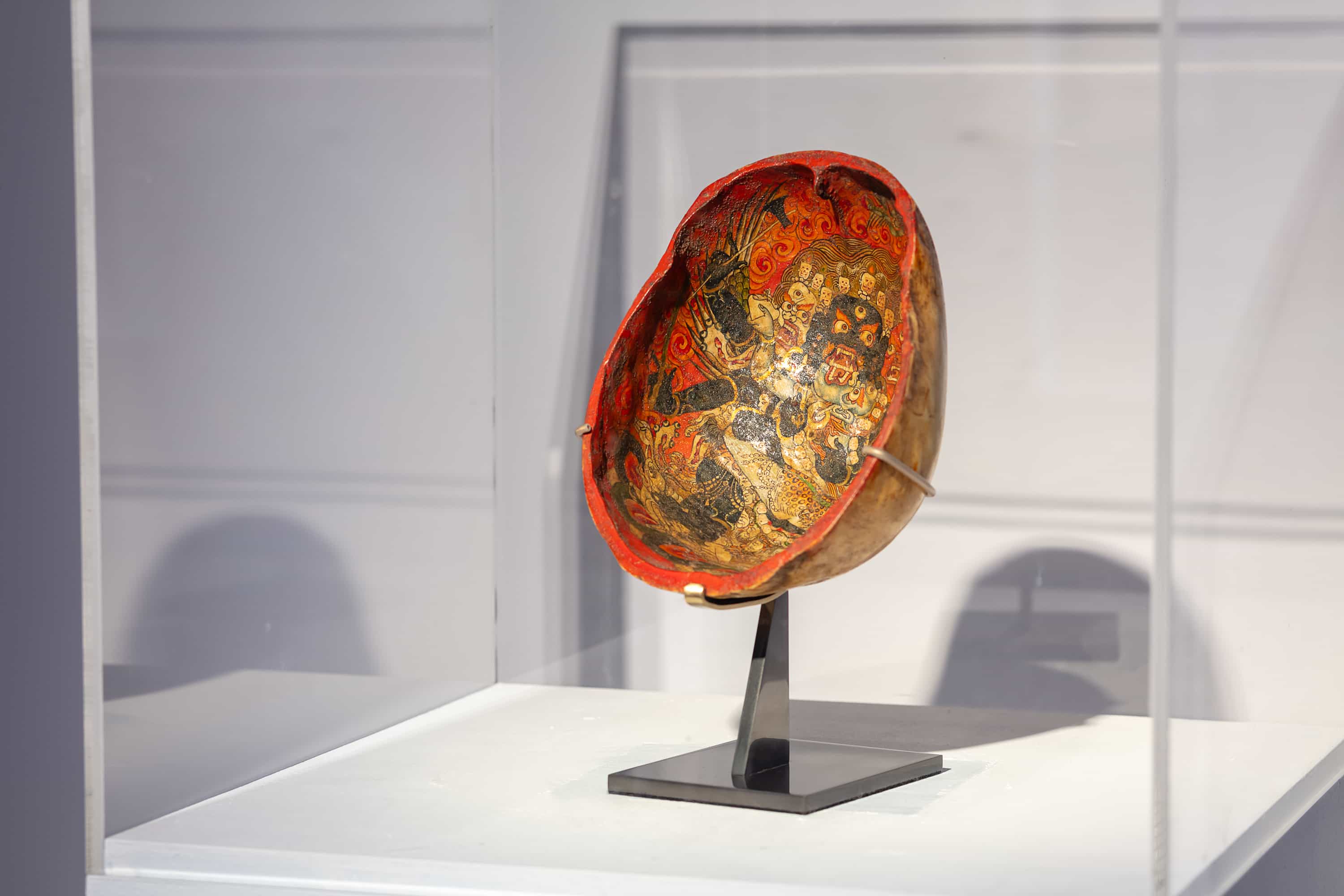
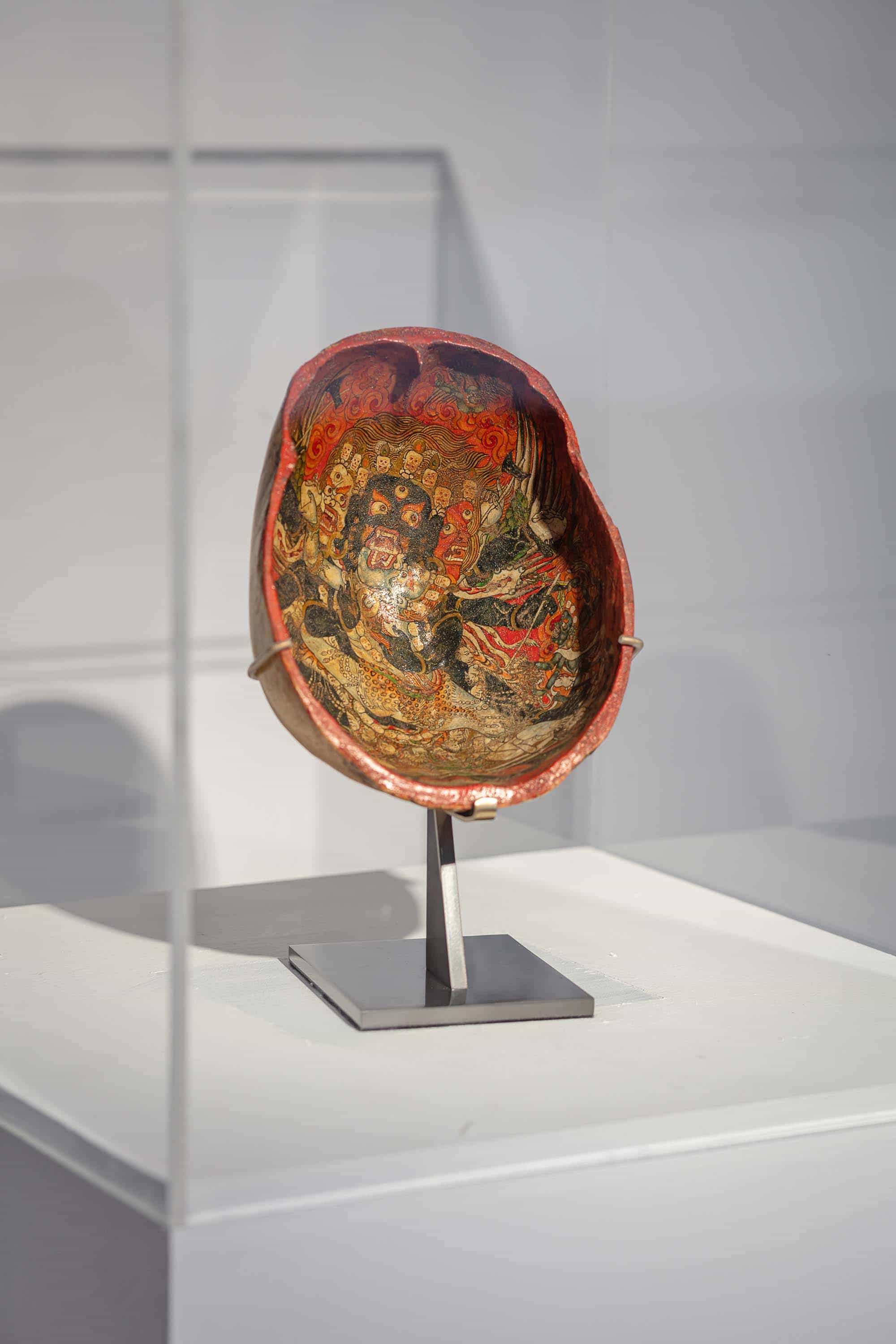
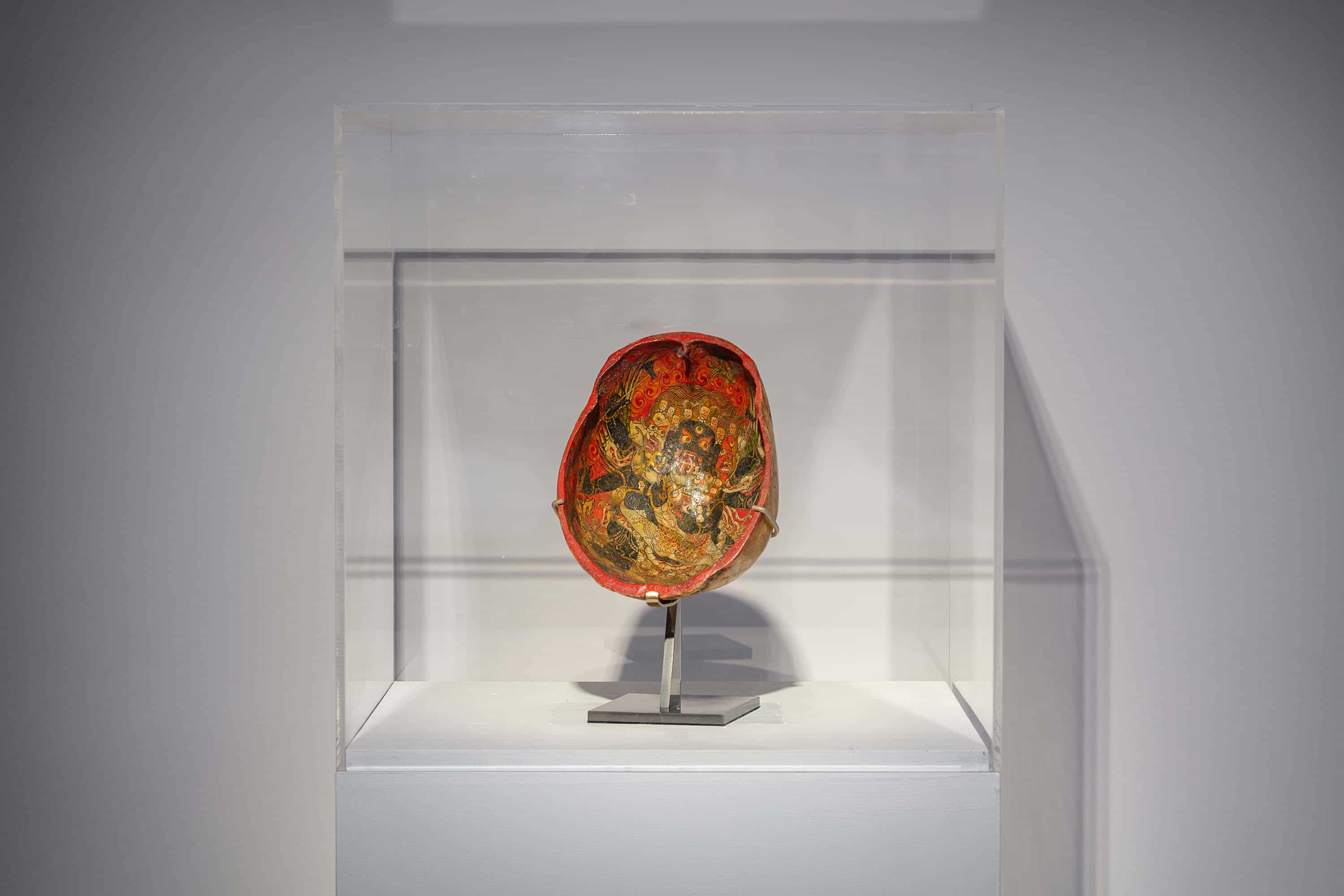
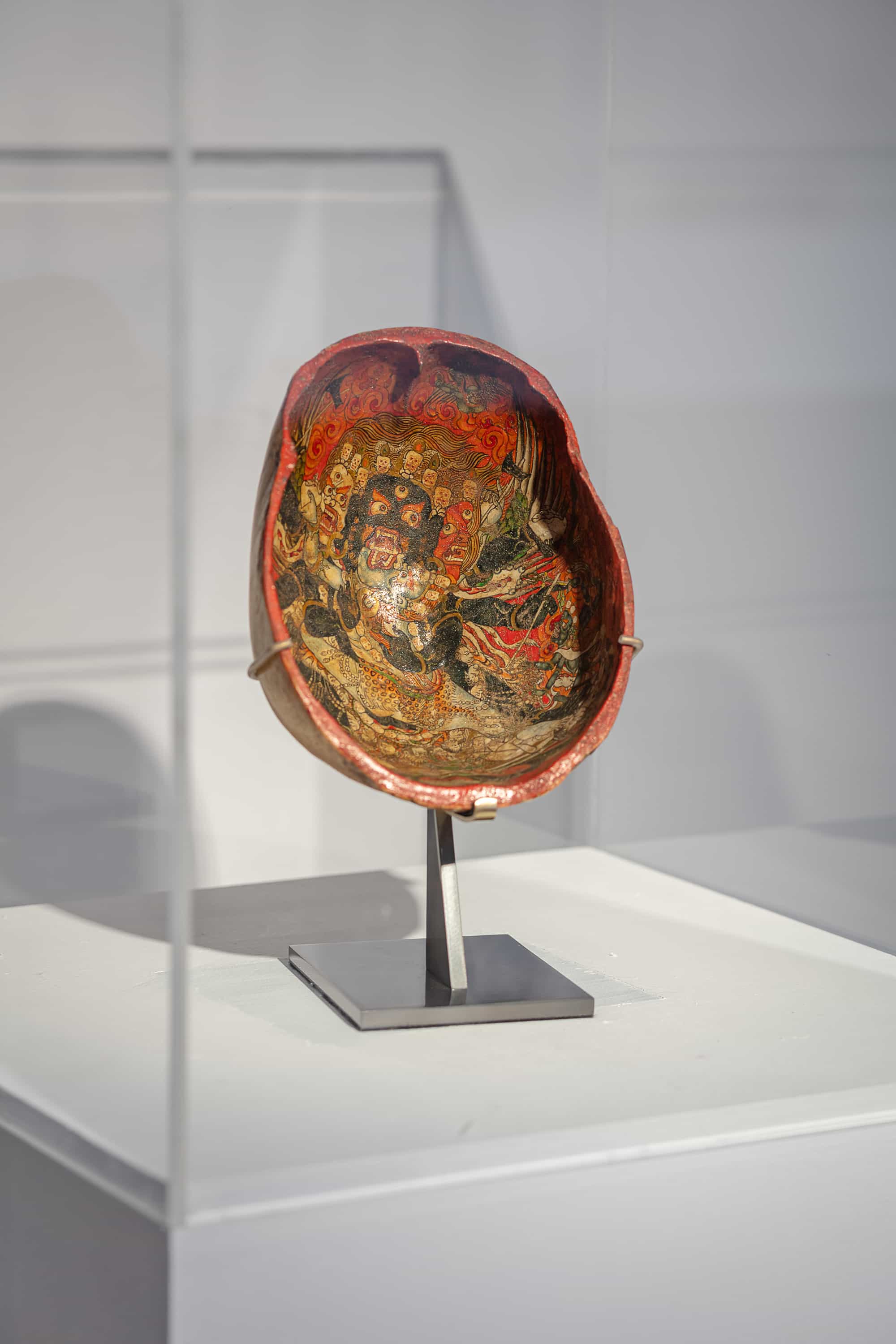
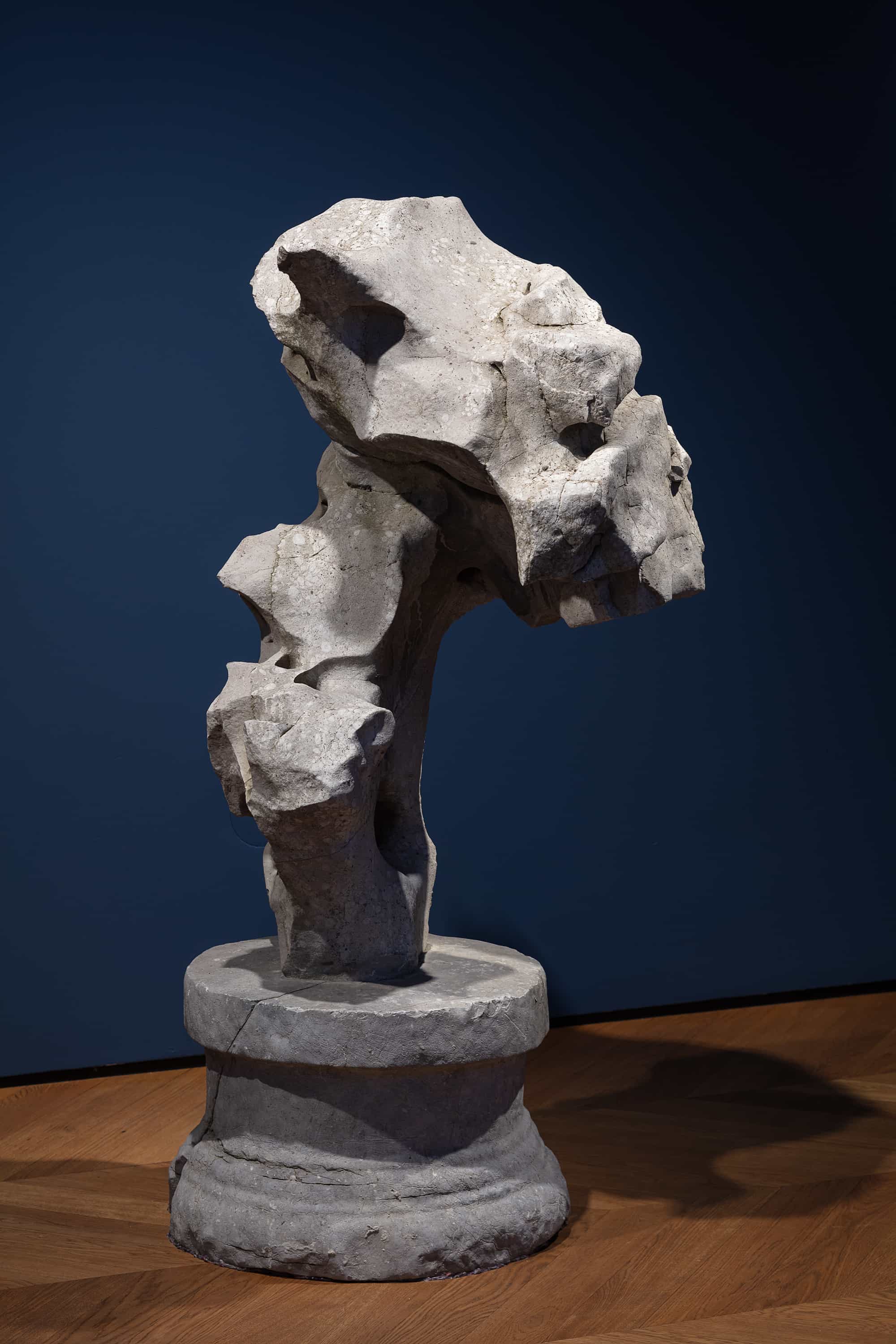
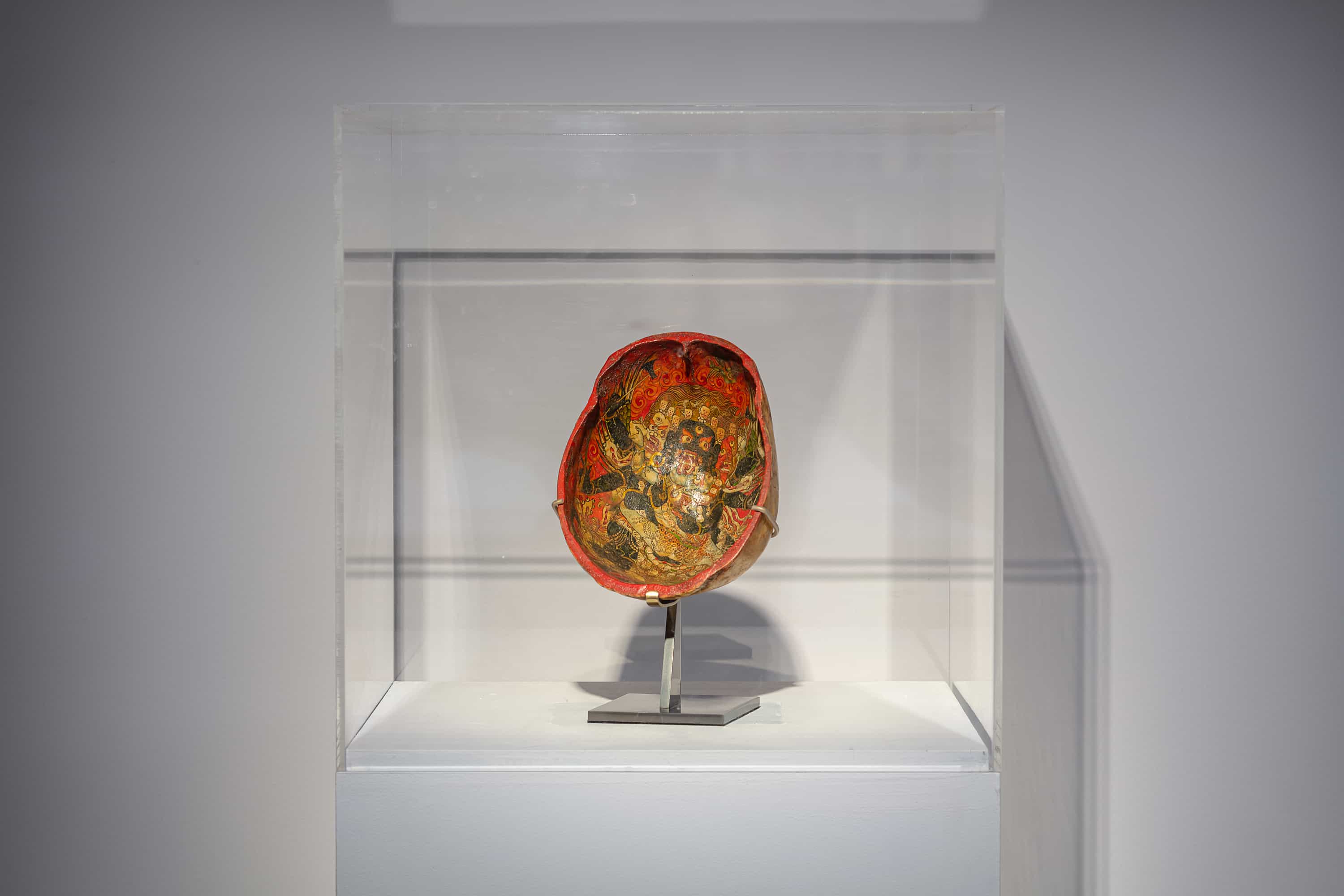
The theme as interpreted within Tibetan Buddhism is represented through the rare and exquisite Citipati—two dancing skeletons—a remarkable nineteenth-century Tibetan Kapala, and a powerful sculpture of Emma-O dating from the Kamakura period, a work of exceptional rarity seldom exhibited outside Japan. Representing the overlord of Hell in Japanese Buddhism, the imposing figure is displayed alongside a monumental Chinese scholar’s rock from the seventeenth to early eighteenth century, contrasting physical monumentality with contemplative inward reflection.
Among the exhibition’s most notable highlights is the striking Portrait of Clara Pasche-Battié by Swiss painter Ferdinand Hodler (1853–1918). The intensity of its glowing orange background and the sharp linearity of the figure combine to create a portrait that powerfully encapsulates both the allure and fleeting nature of beauty.