Before & After
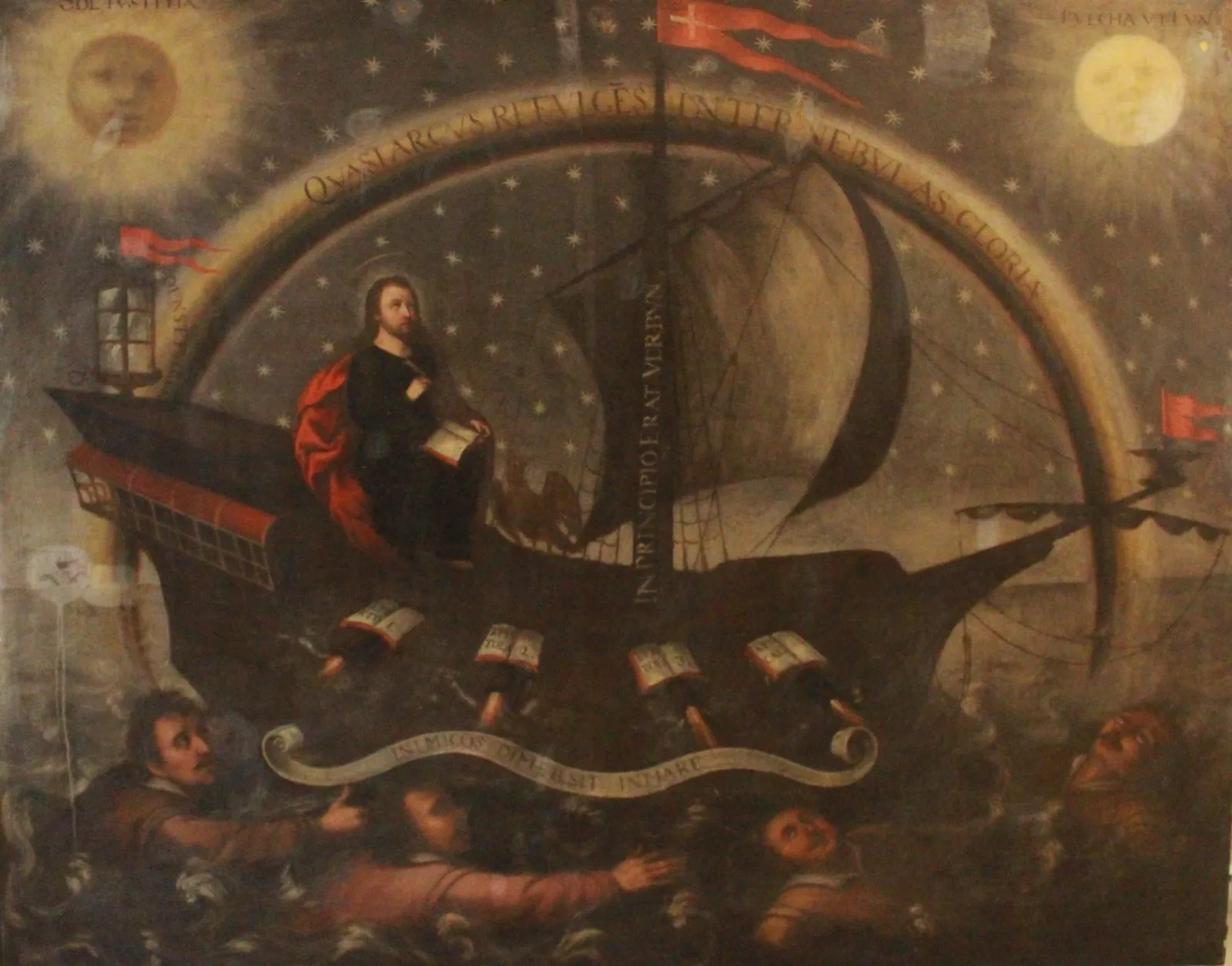 Before
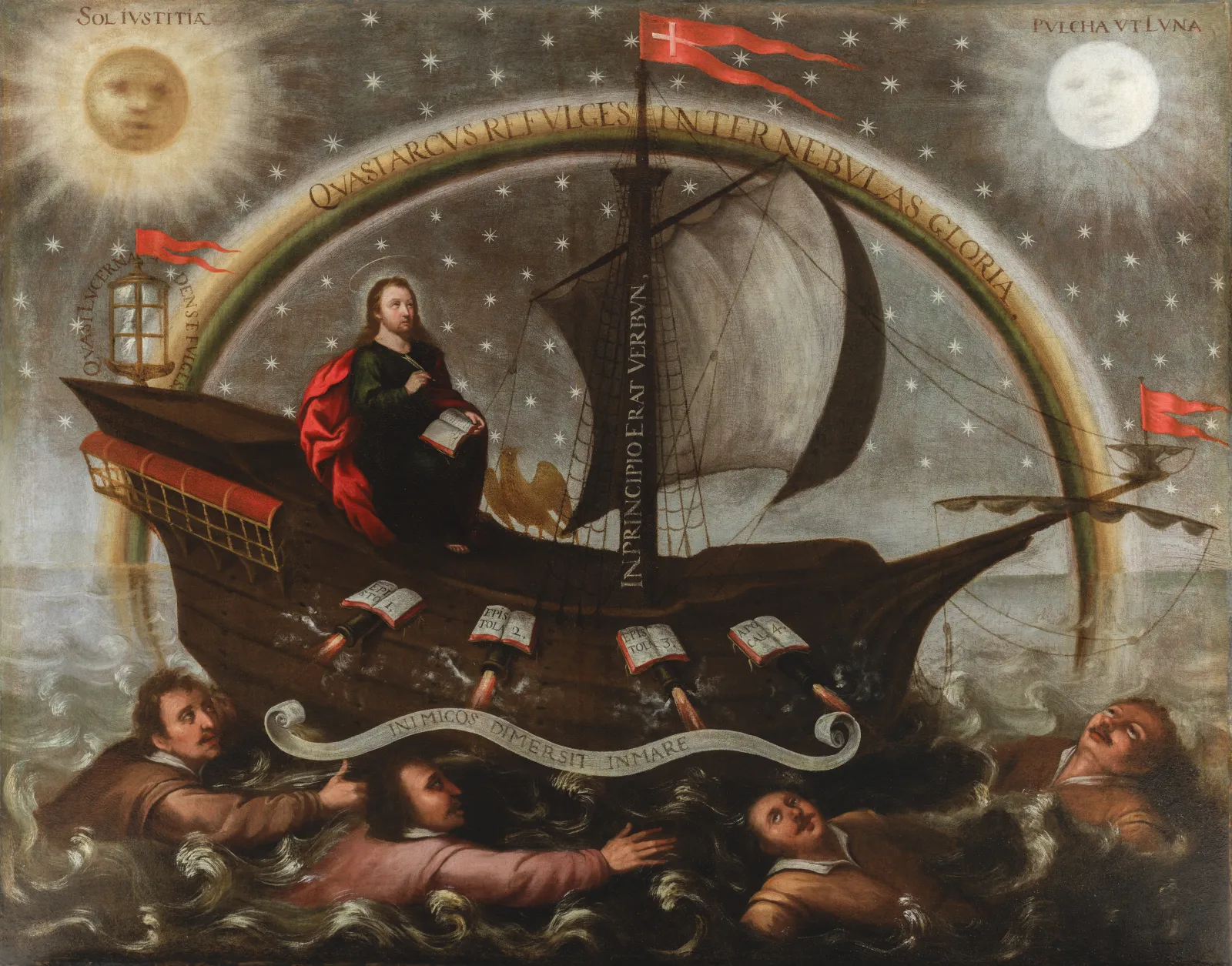 After
After
Leonardo Flores (1650–1710)
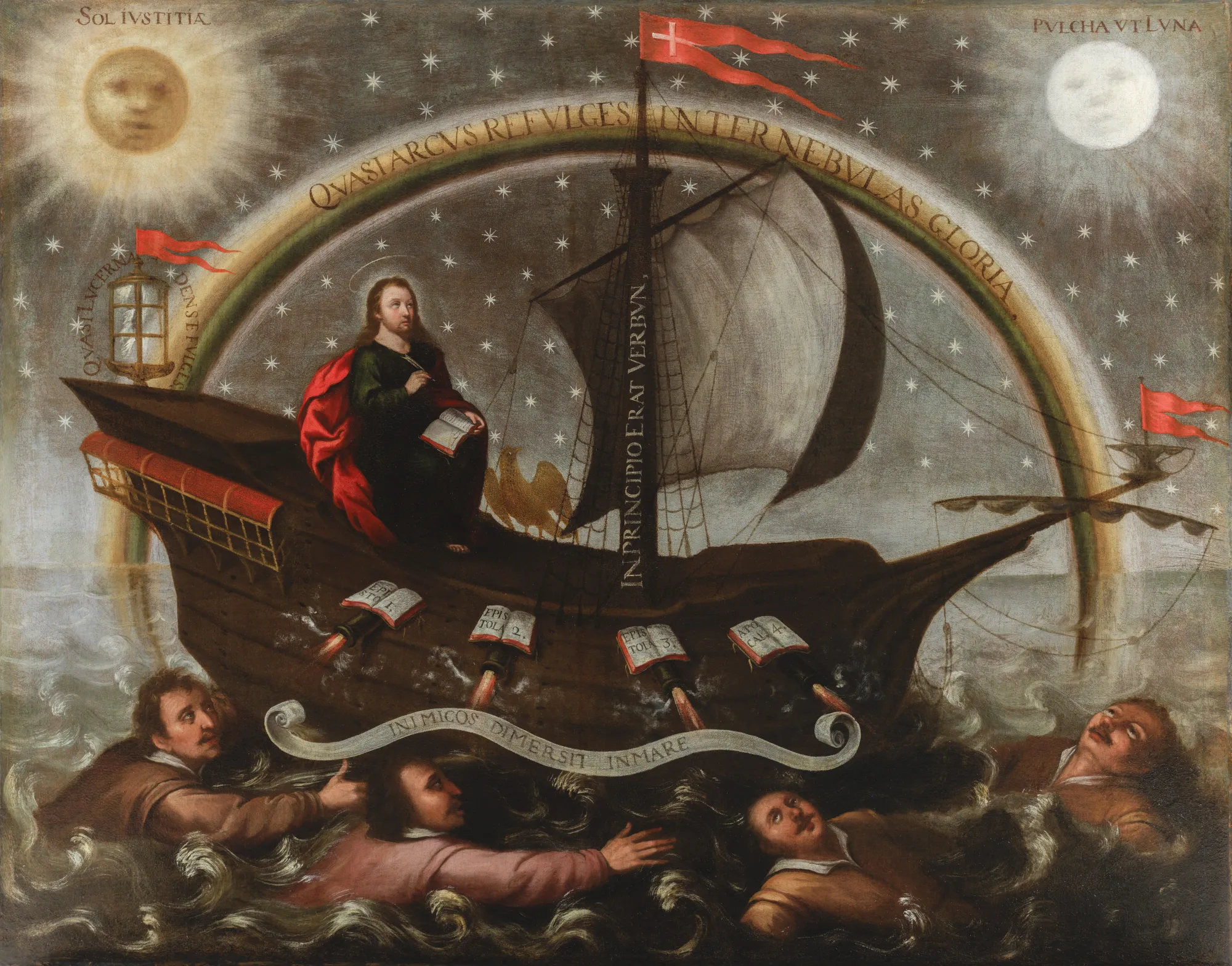
A carefully executed conservation process restoring clarity, chromatic balance, and structural stability to a richly symbolic 17th-century composition.
Before
After
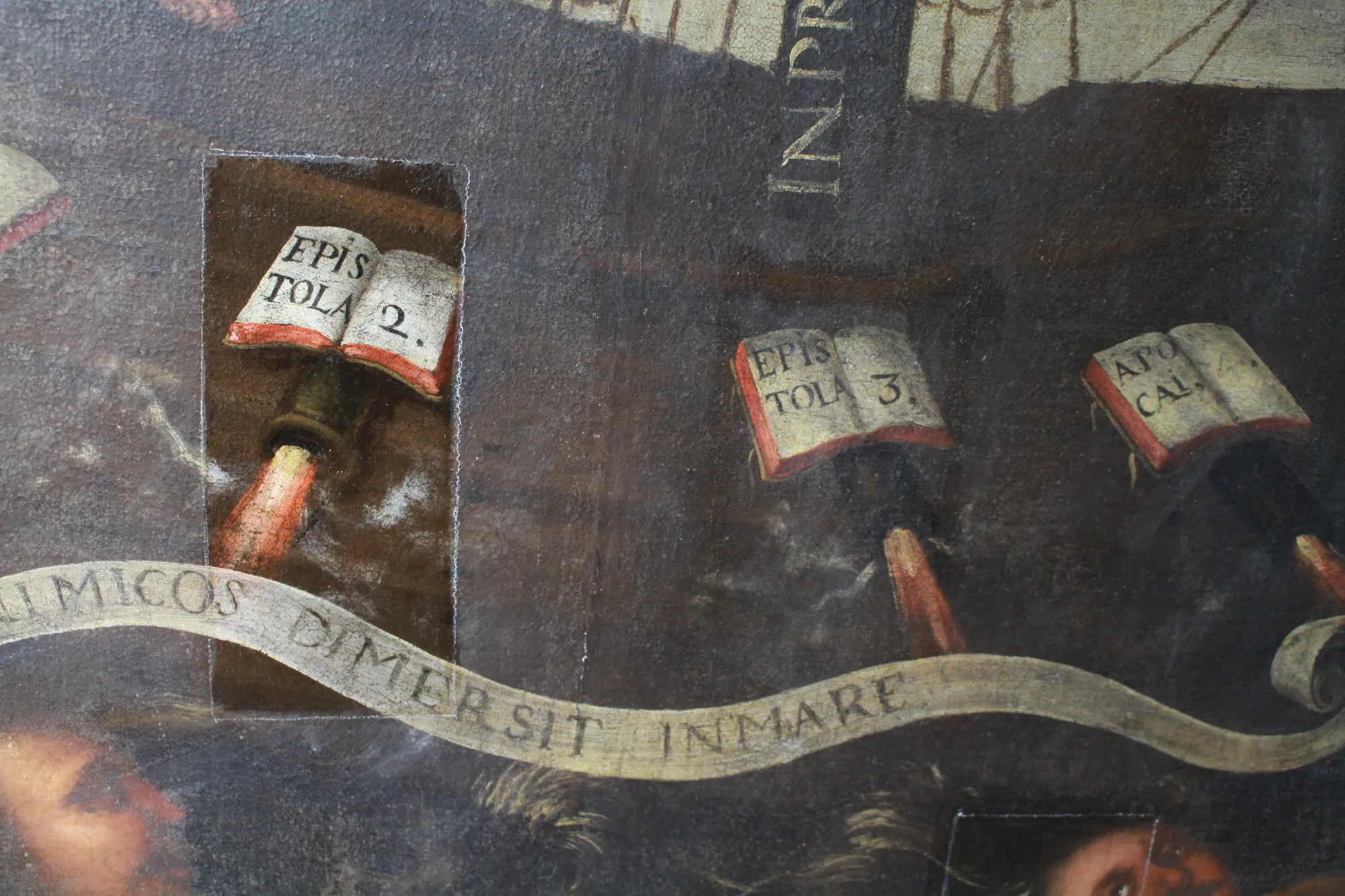
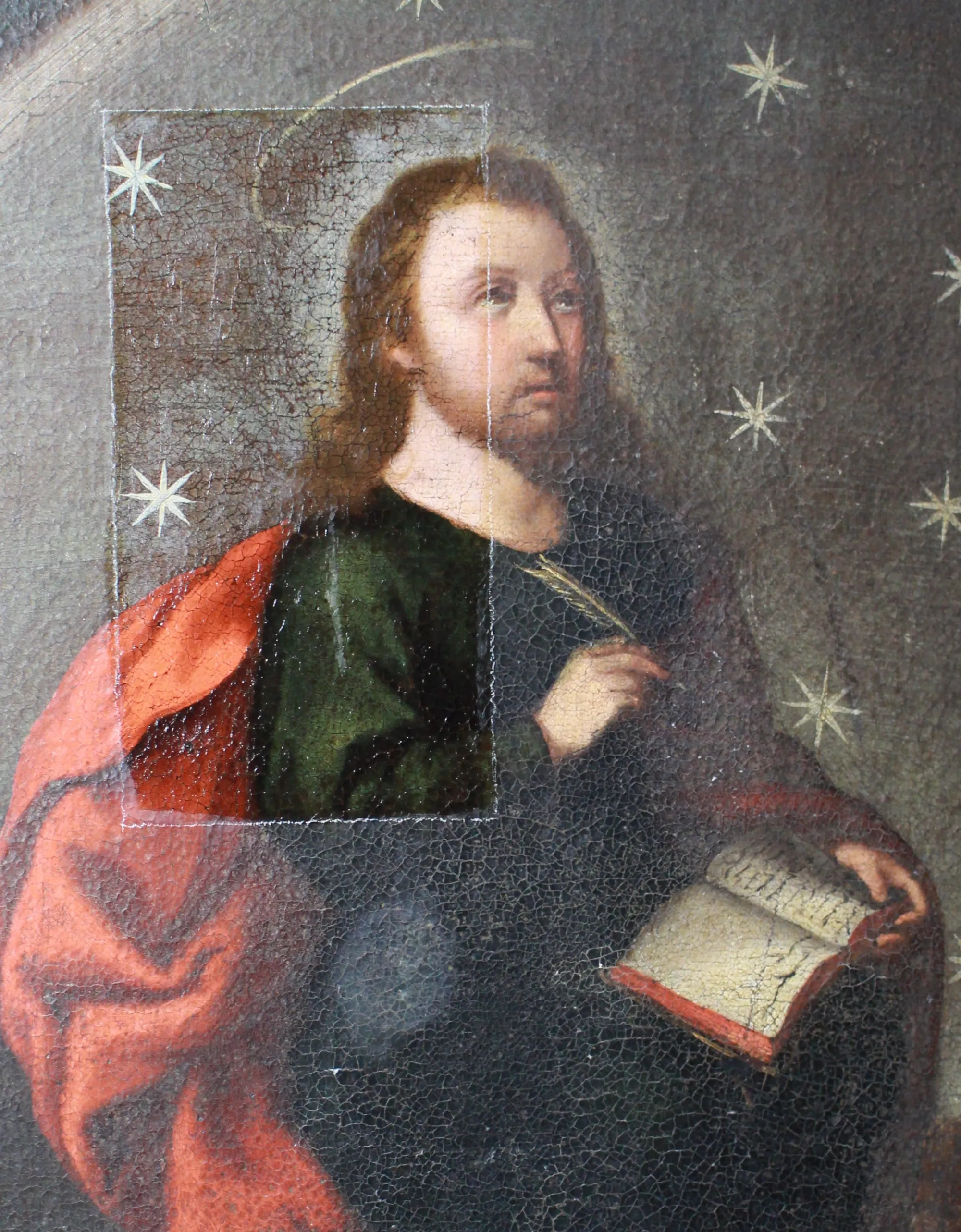
This painting, attributed to Leonardo Flores, is executed on a linen canvas support in a balanced taffeta weave, a structure that ensures both stability and durability over time. The canvas has undergone a previous full lining, which remains in good condition and continues to provide structural reinforcement. The support presents a visible horizontal seam across the surface, consistent with historical construction techniques. The stretcher is stable and well preserved, featuring a central vertical crossbar that enhances structural integrity. While all keys are present, they lack retainers. Surface dust and staining were observed on the reverse of the canvas. The ground layer, composed of calcium sulfate and animal glue in accordance with traditional methods, exhibits a generalised craquelure resulting from natural ageing and environmental fluctuations. This network of cracks is consistent with the material composition and long-term exposure to variations in humidity and temperature. The pictorial surface was found to be in a stable condition overall. However, several areas of historical overpainting were identified, often extending beyond their original function. These interventions obscured parts of the composition and altered its visual coherence. Evidence of abrasion from previous cleaning campaigns was also visible, particularly in more delicate passages such as the sky. Minor paint losses were present, mainly along the edges where the work had interacted with the frame. The varnish layer had significantly deteriorated over time. Oxidation had caused pronounced yellowing and an uneven surface finish, with matte areas disrupting the legibility of the image. This alteration masked the original tonal relationships and diminished the vibrancy of the composition. A comprehensive technical examination was carried out prior to treatment, including ultraviolet light, raking light, and macrophotography. These analyses allowed for the identification of previous interventions and a precise understanding of the painting’s condition. The cleaning process was conducted in two carefully controlled phases. The first involved the removal of oxidised varnish and accumulated surface dirt, while the second addressed the elimination of overpainting and residual impurities. This intervention restored clarity to the image and revealed the original chromatic richness of the work.
Chromatic reintegration was carried out selectively in areas of loss using fully reversible materials. A base layer of watercolour was applied, followed by adjustments using varnish-based pigments to ensure tonal harmony and visual continuity without compromising the original paint layers. A final protective varnish was applied by spray, unifying the surface and enhancing depth and saturation. This treatment also provides long-term protection against environmental factors. The painting is now presented in a stable and balanced state of conservation, allowing for a renewed appreciation of its narrative complexity, material richness, and symbolic detail.
Each restoration is guided by three principles: respect for the original material, reversibility of all interventions, and clarity of the artist’s intent. At Colnaghi, conservation is both a technical and scholarly process, preserving not only the physical integrity of the artwork, but its historical and artistic meaning.
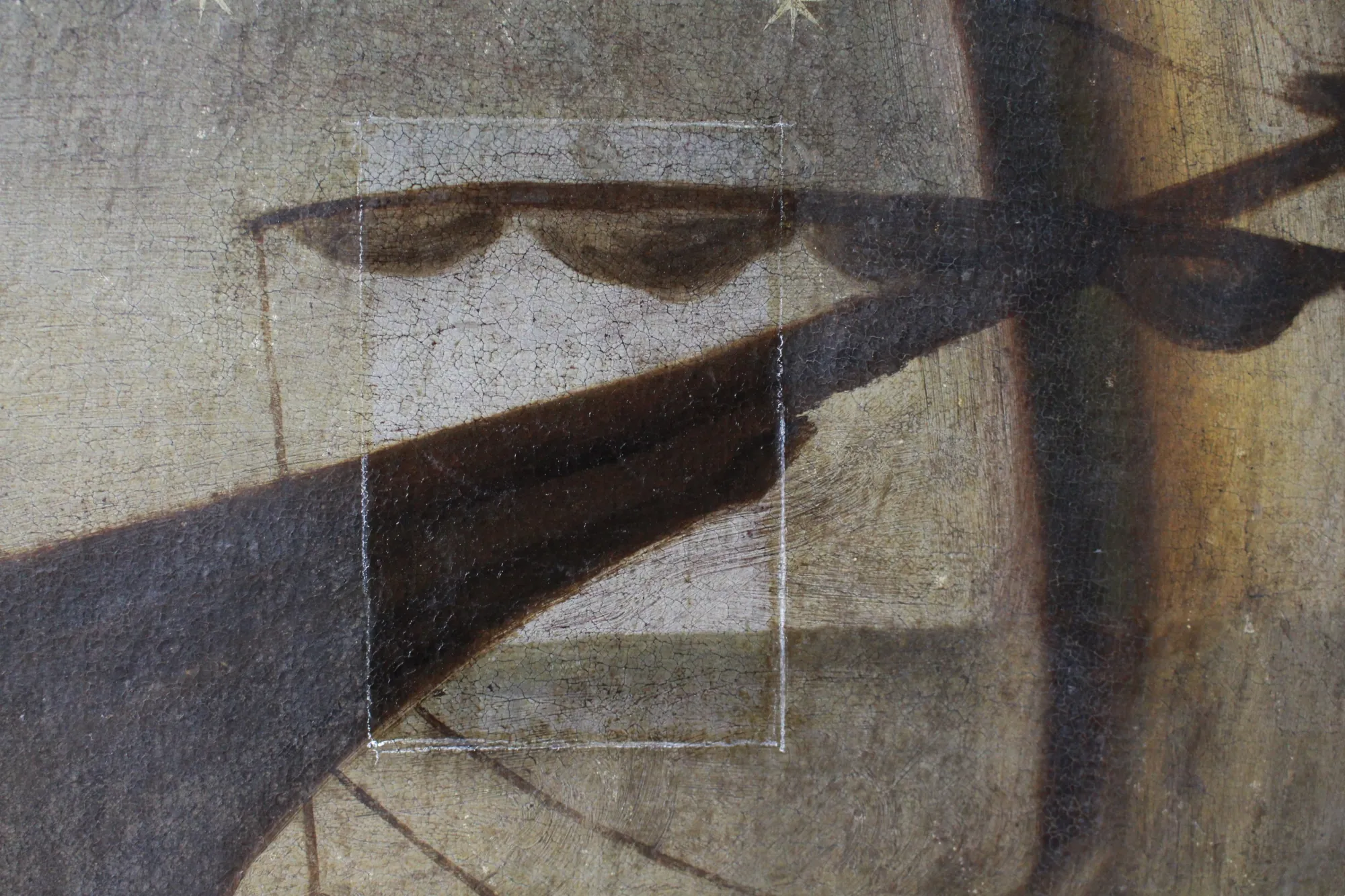
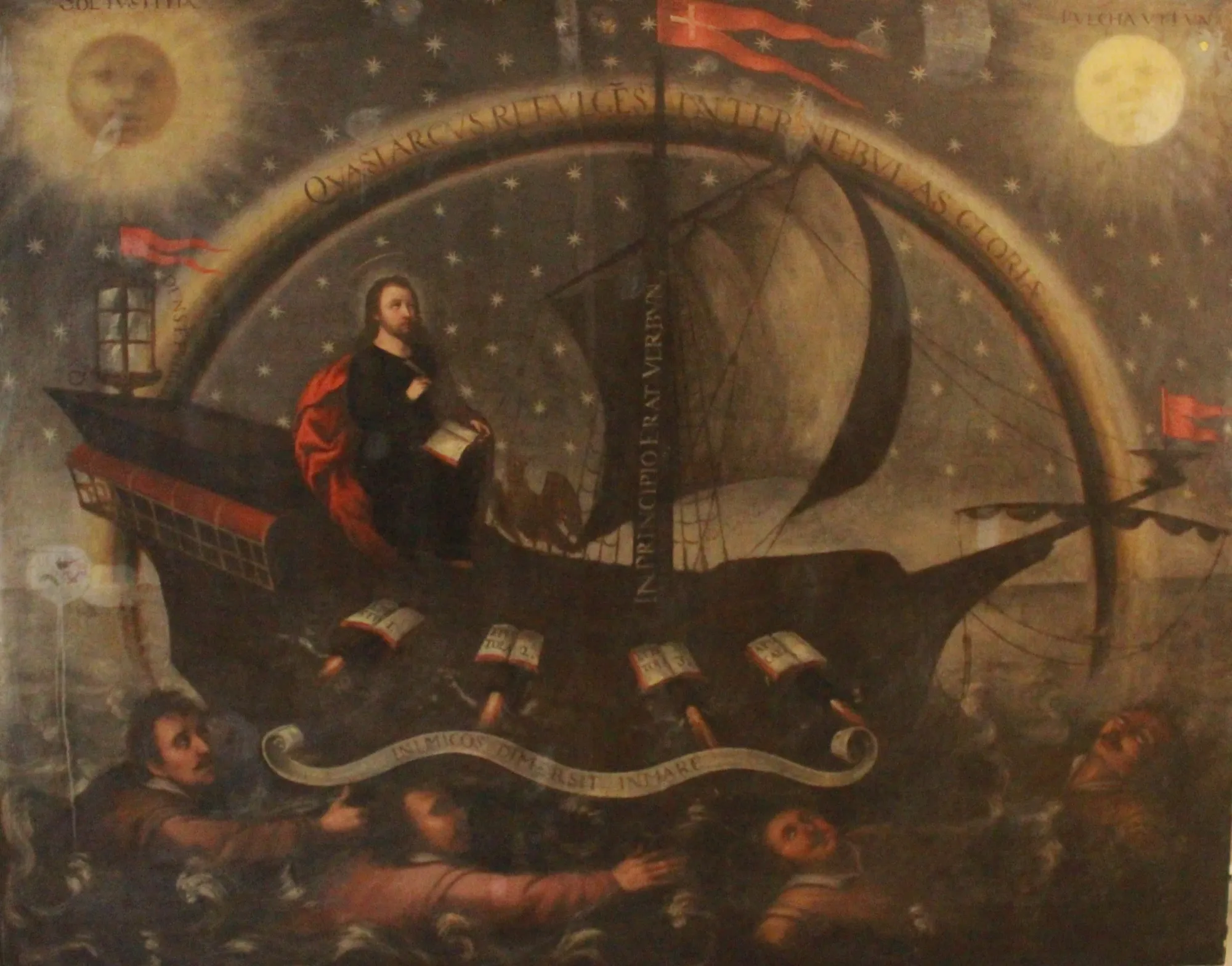
Colnaghi's team works with leading conservators to restore works to their full glory.
Get in Touch
Bartolomeo Cavarozzi (1587–1625)
A carefully documented conservation process restoring clarity, balance, and legibility to a 17th-century oil on copper.
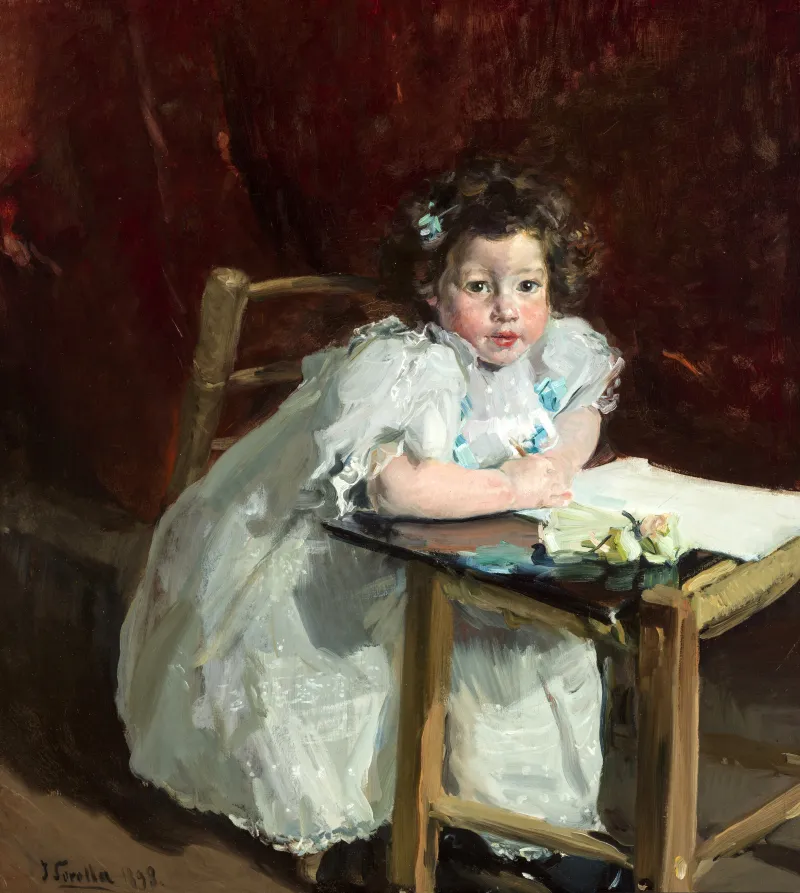
Joaquín Sorolla y Bastida (1863–1923)
A carefully documented conservation process restoring clarity, tonal freshness, and the immediacy of Sorolla’s brushwork.
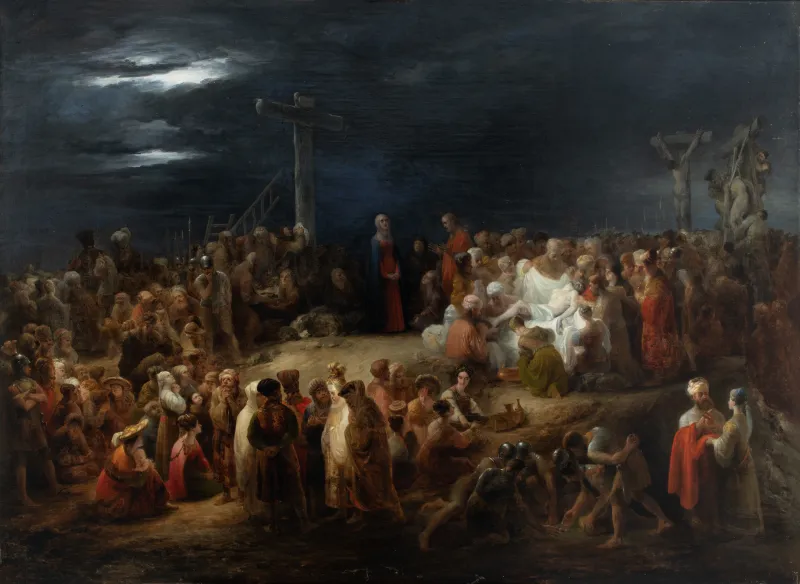
Domingos António Sequeira (1768–1837)
A carefully executed conservation process restoring structural balance, tonal depth, and the legibility of a complex multi-figure composition.
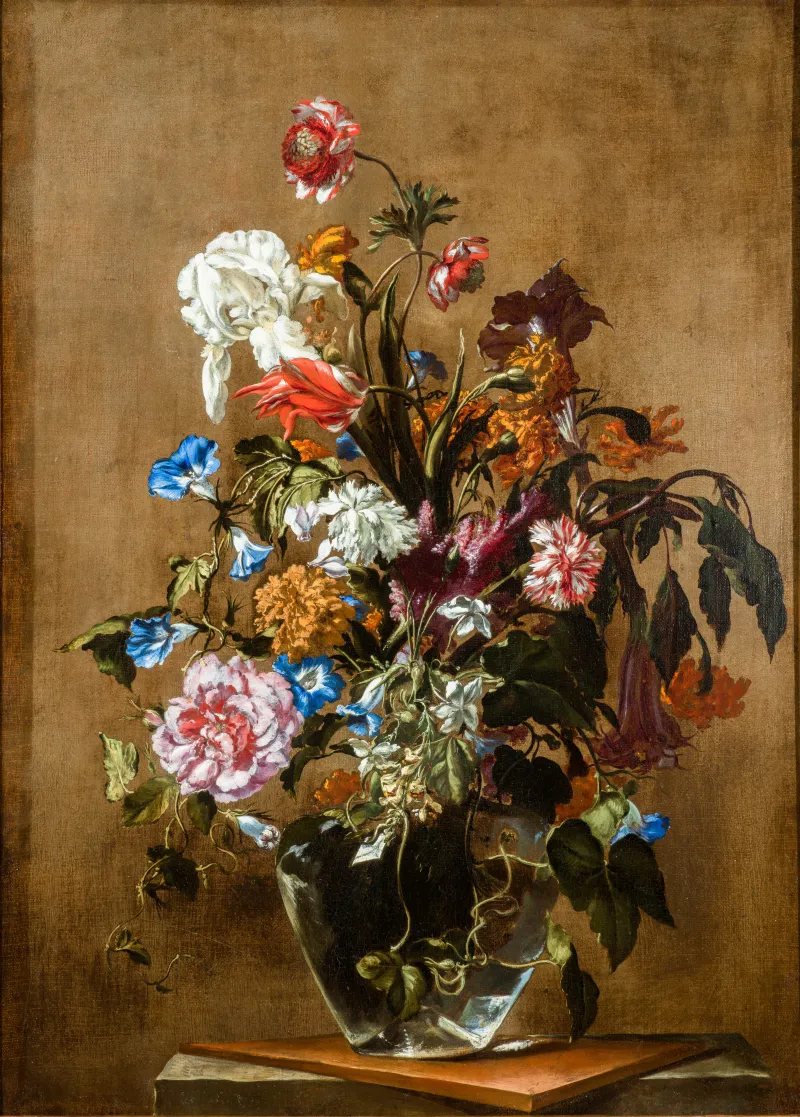
Mario Nuzzi (1603–1673) & Raffaello Vanni (1598–1673)
A carefully executed conservation process restoring clarity, chromatic vibrancy, and the delicate balance of a 17th-century floral composition.
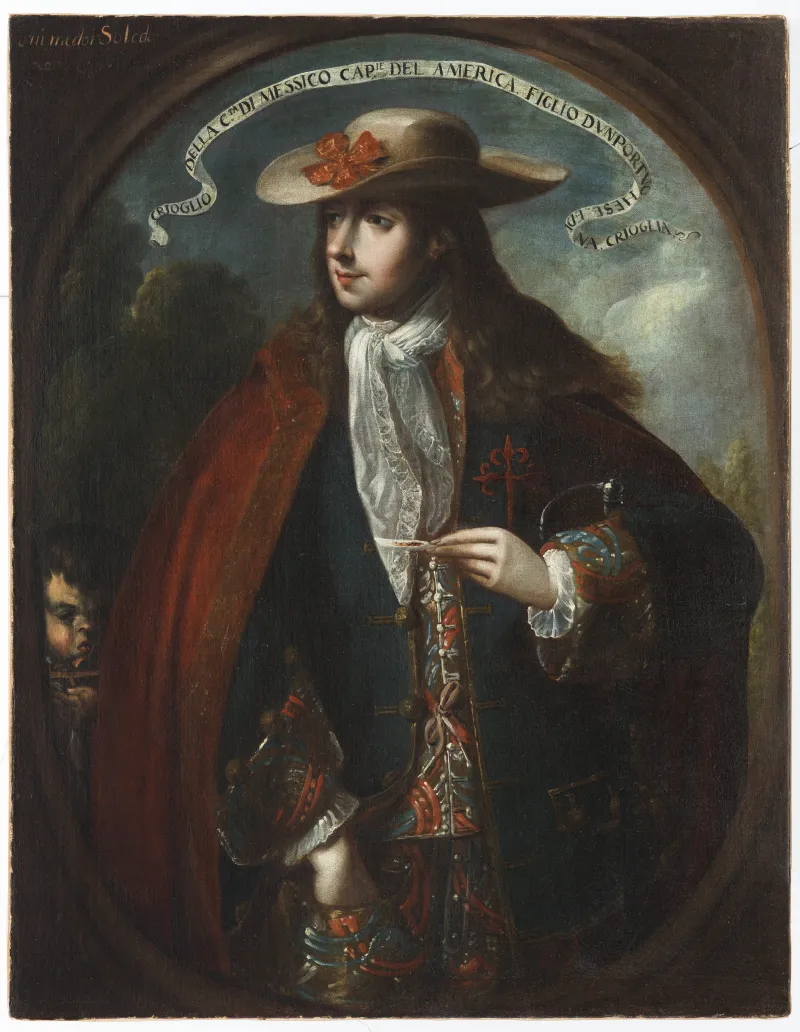
Manuel de Arellano (1662–1722)
A carefully executed conservation process restoring structural integrity, chromatic clarity, and the refined detail of two 17th-century colonial portraits.
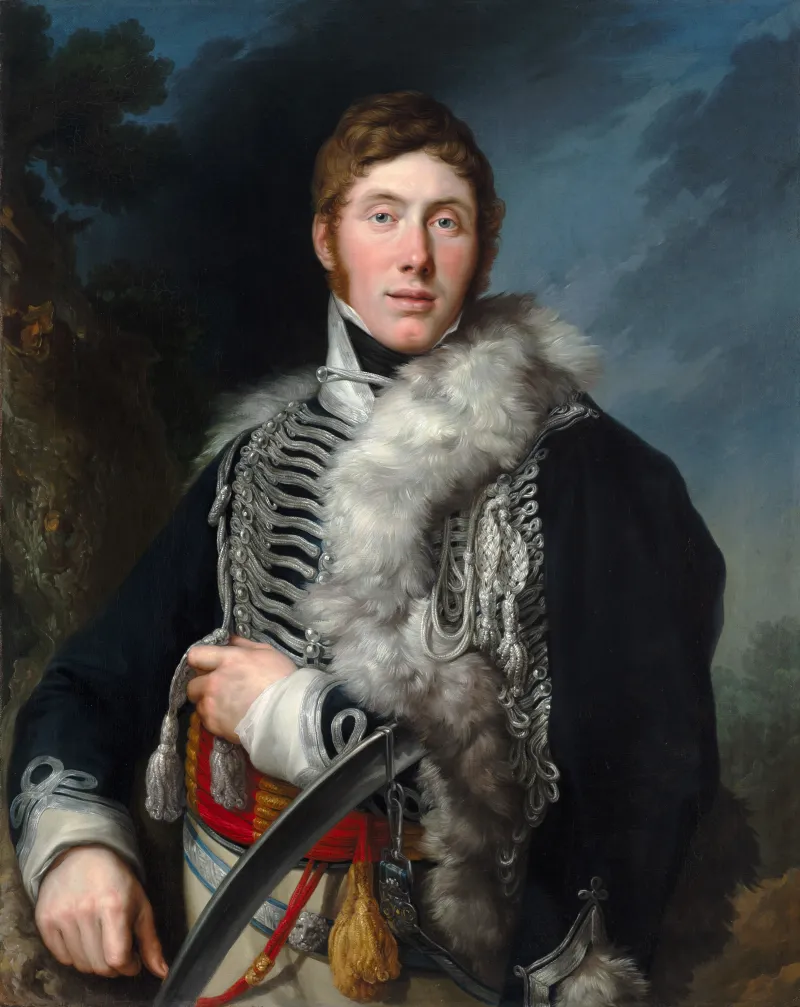
Vicente López Portaña (1772–1850)
A carefully executed conservation process restoring clarity, tonal balance, and the refined surface quality of an early 19th-century portrait.