Before & After
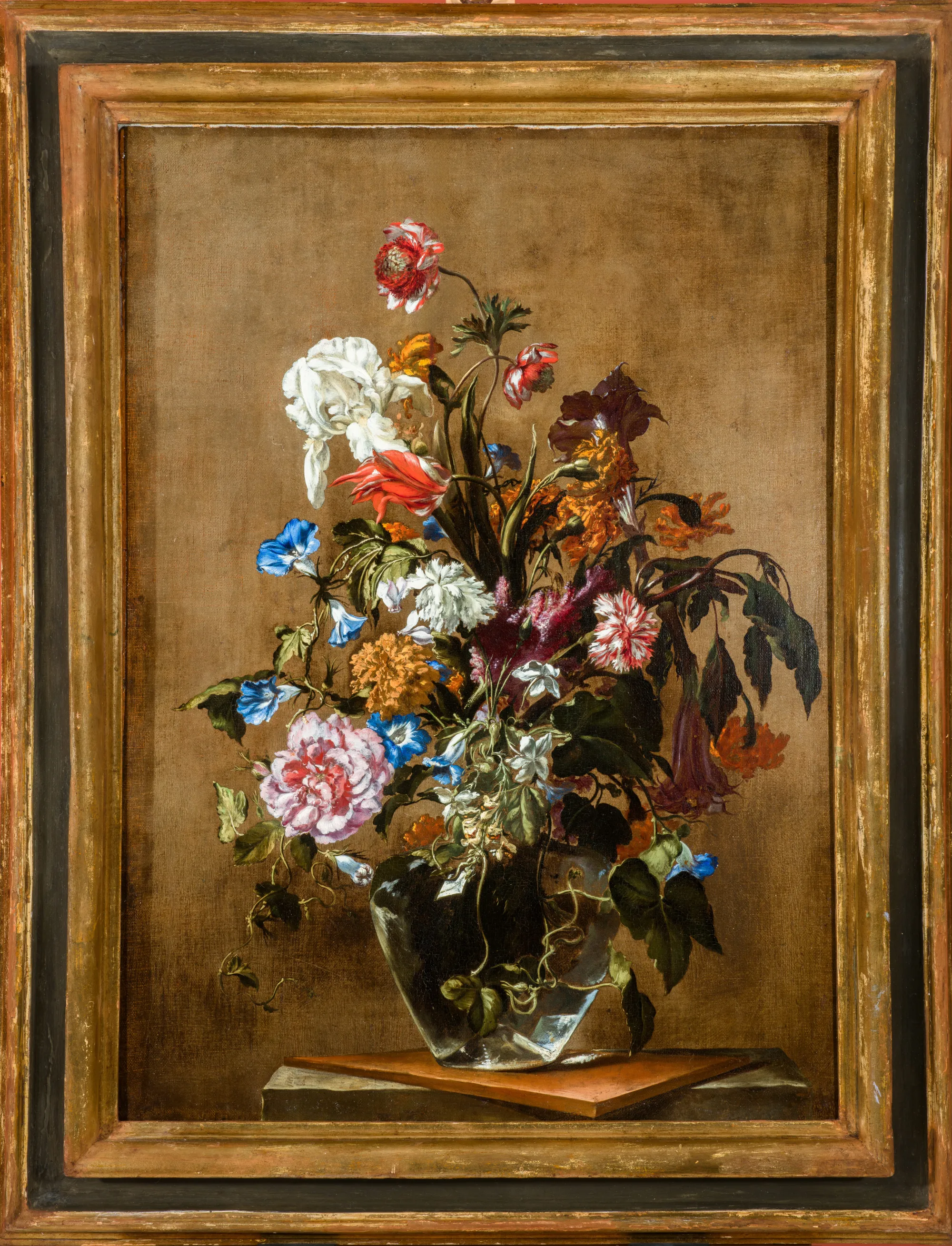
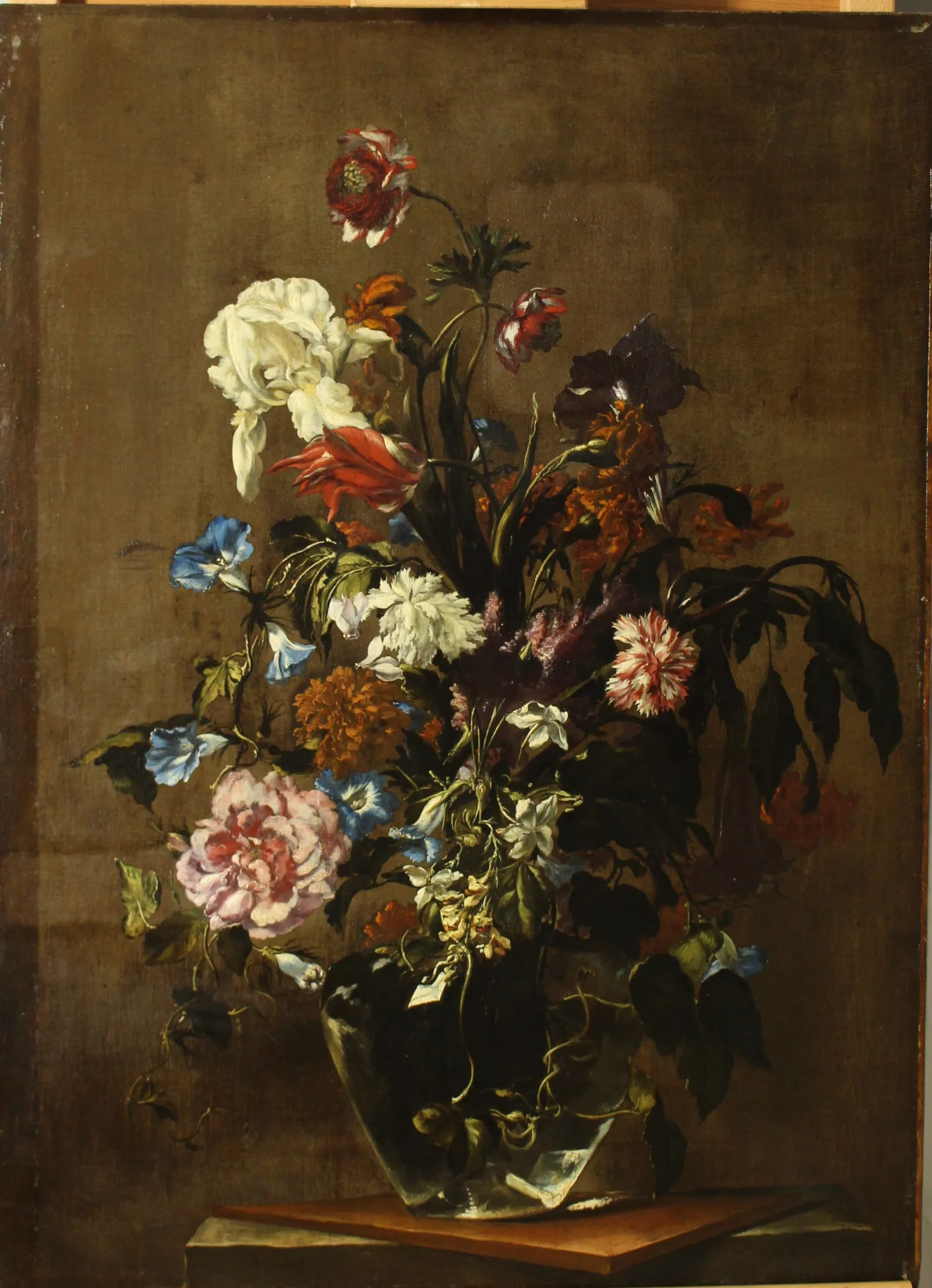 Before
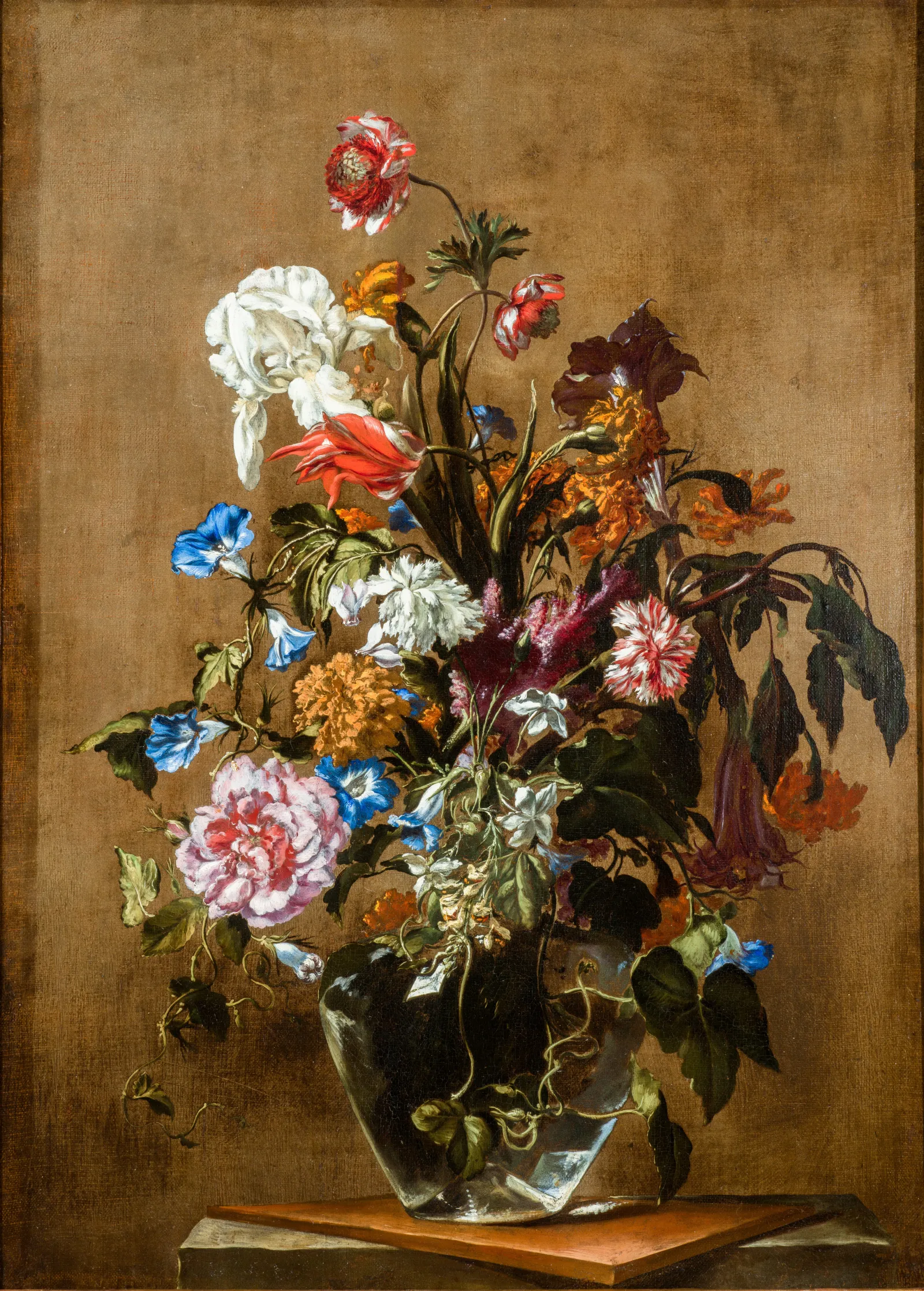 After
After
Mario Nuzzi (1603–1673) & Raffaello Vanni (1598–1673)
A carefully executed conservation process restoring clarity, chromatic vibrancy, and the delicate balance of a 17th-century floral composition.
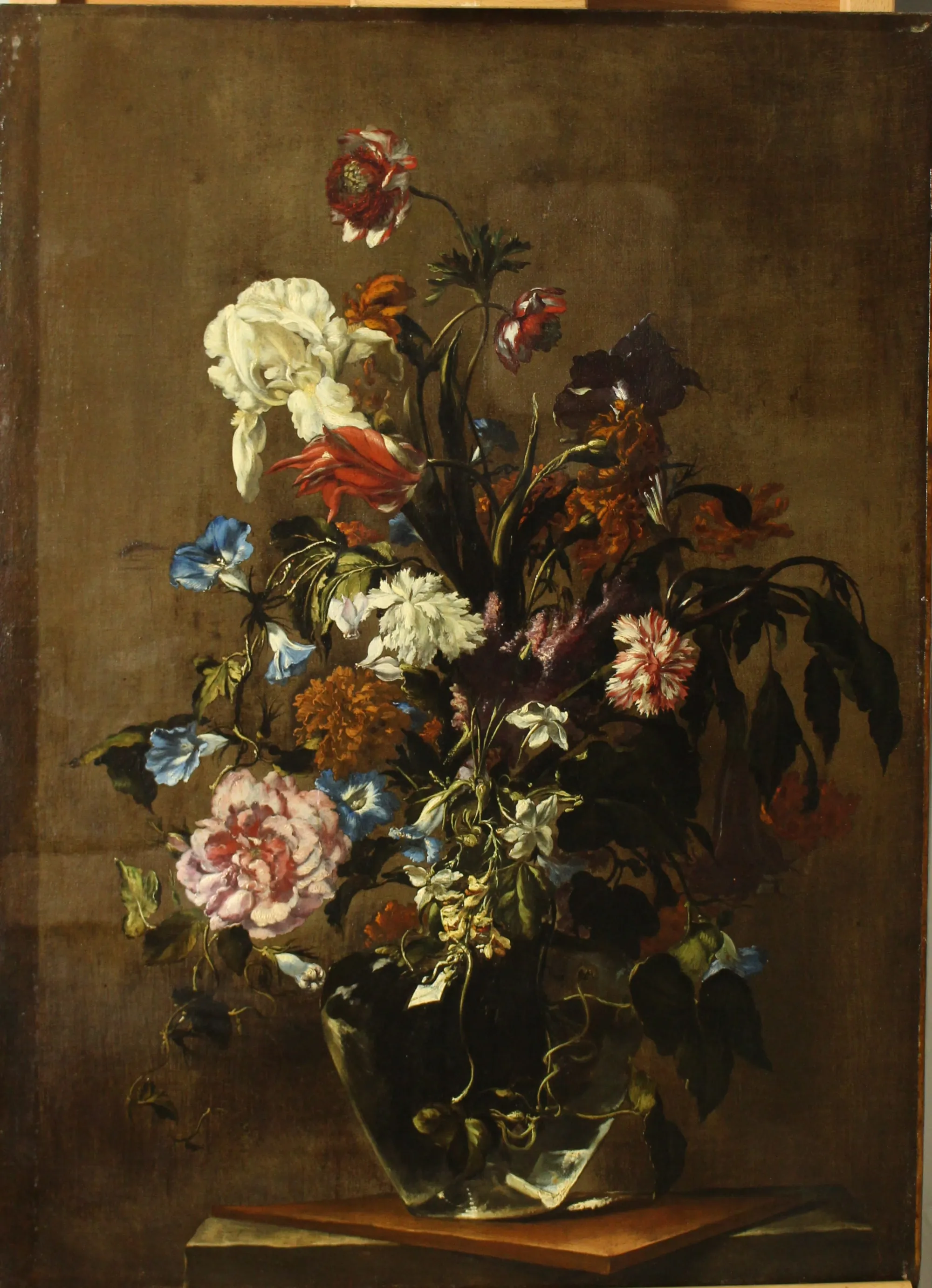
Before
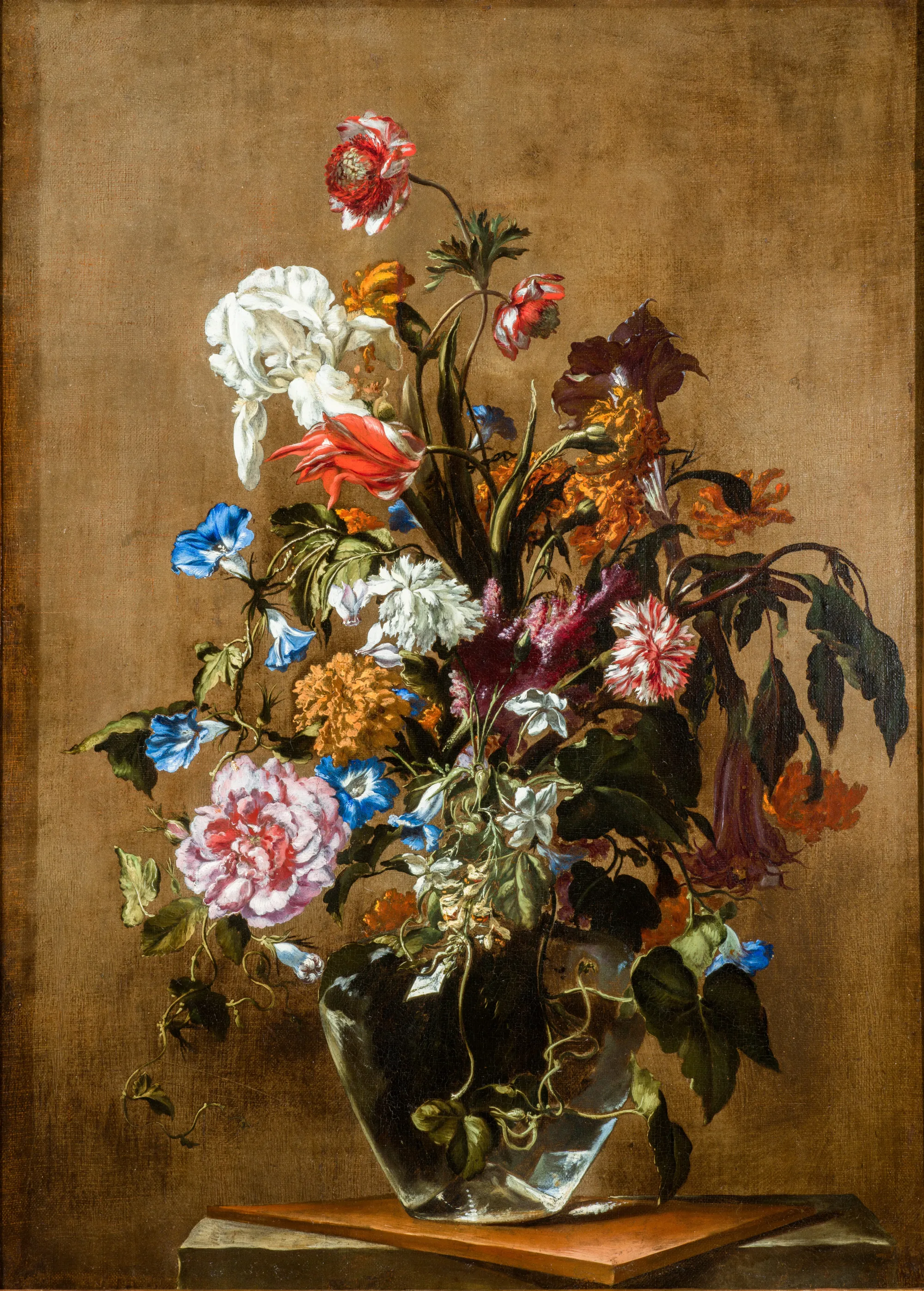
After
This refined still life by Mario Nuzzi and Raffaello Vanni is executed on a linen canvas, a stable and durable support well suited to long-term preservation. The canvas had previously undergone restoration, including the repair of a tear in the upper section, which remains structurally sound and was retained as part of the work’s conservation history. To ensure optimal tension and long-term stability, the support was reinforced with perimeter bands, while the stretcher was carefully adjusted. Its internal edges were refined during treatment to prevent pressure marks on the canvas and allow a more even distribution of tension over time. The ground layer, composed of calcium sulfate and animal glue in accordance with traditional techniques, displays a fine and consistent craquelure. The pictorial surface remains largely well preserved, with only minor losses and localised abrasions, particularly in areas previously affected by structural damage or past cleaning interventions. Over time, the varnish layer had significantly deteriorated. Oxidation had caused a yellowed and uneven surface, muting the original palette and reducing the depth of the composition. The surface was further obscured by accumulated dirt, wax residues, insect deposits, and earlier overpainting, all of which compromised the clarity of the image. The conservation process began with full photographic documentation and technical analysis, including ultraviolet and raking light examination, allowing for a precise identification of previous interventions and surface irregularities. Cleaning was undertaken in two carefully controlled phases. The first removed the oxidised varnish and superficial deposits; the second addressed discoloured overpainting, ingrained dirt, wax, and other residues. This gradual process revealed the original chromatic brilliance and the refined detailing of the floral arrangement. Areas of loss were filled using materials compatible with the original preparation and carefully textured to integrate seamlessly with the surrounding surface. Chromatic reintegration was carried out using reversible techniques, beginning with a base tone and followed by precise tonal adjustments to restore visual continuity without compromising the original.
A final protective varnish layer was applied to unify the surface, enhance depth and saturation, and ensure long-term preservation. The painting is now presented in a stable and balanced condition, allowing a renewed appreciation of its luminosity, compositional harmony, and decorative richness. Each restoration is guided by three principles: Respect for the original material, reversibility of all interventions, and clarity of the artist’s intent.
At Colnaghi, conservation is both a technical and scholarly process—preserving not only the physical object, but its historical and artistic meaning.
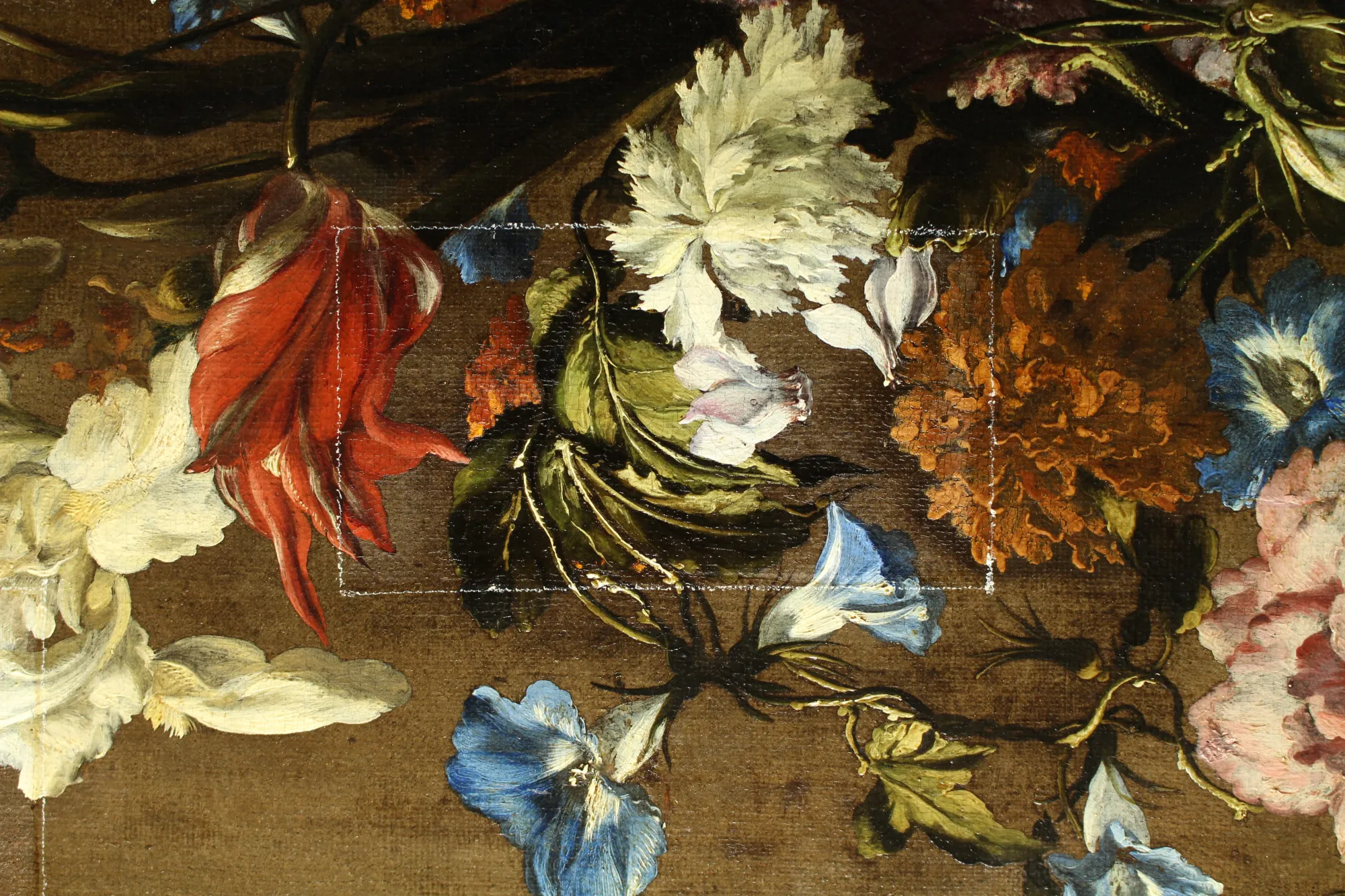
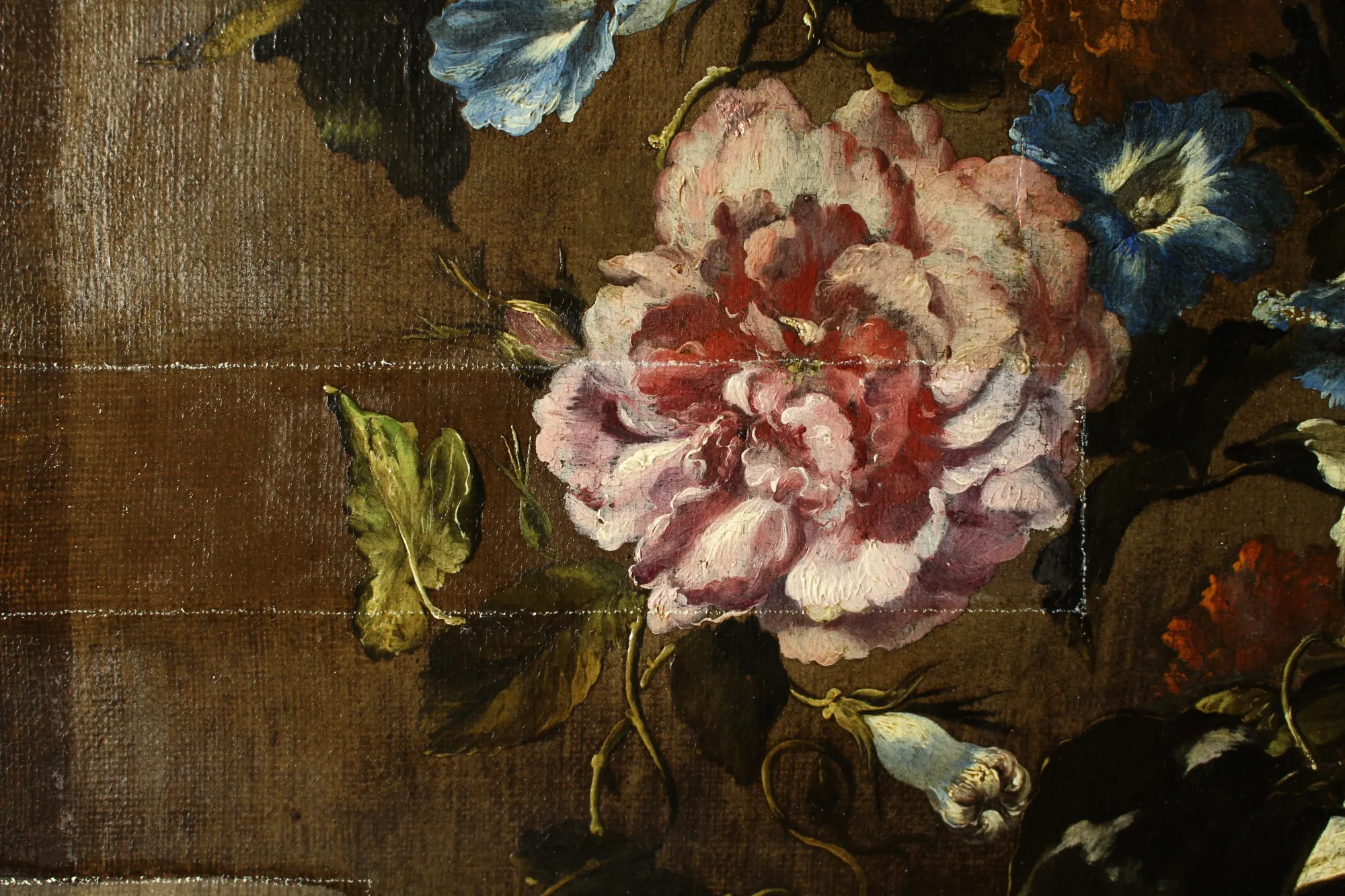
Colnaghi's team works with leading conservators to restore works to their full glory.
Get in Touch
Bartolomeo Cavarozzi (1587–1625)
A carefully documented conservation process restoring clarity, balance, and legibility to a 17th-century oil on copper.
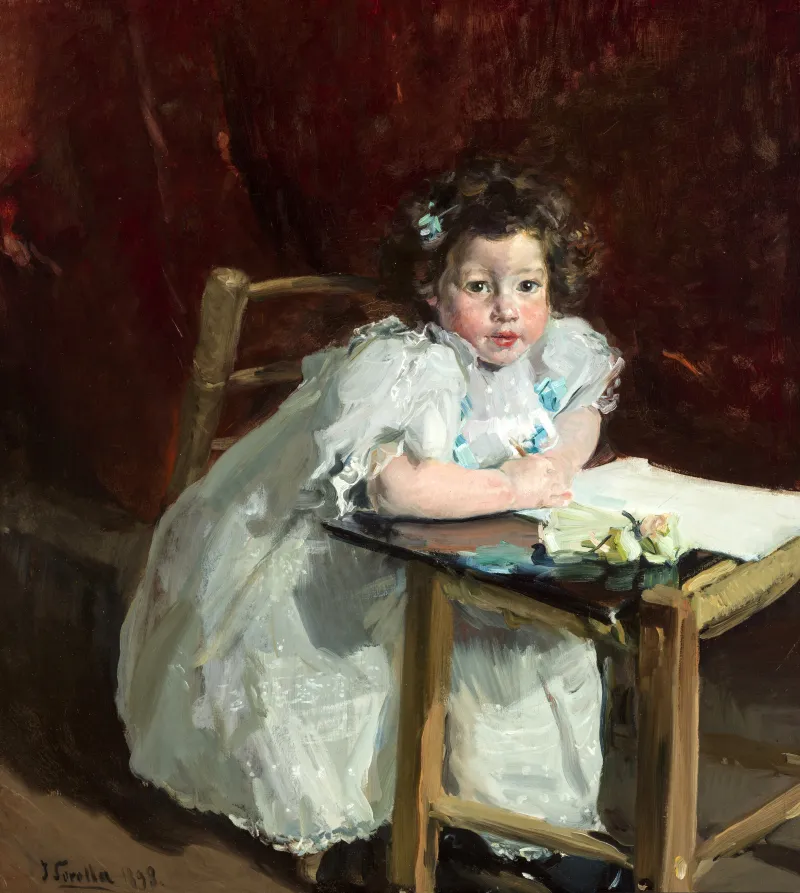
Joaquín Sorolla y Bastida (1863–1923)
A carefully documented conservation process restoring clarity, tonal freshness, and the immediacy of Sorolla’s brushwork.
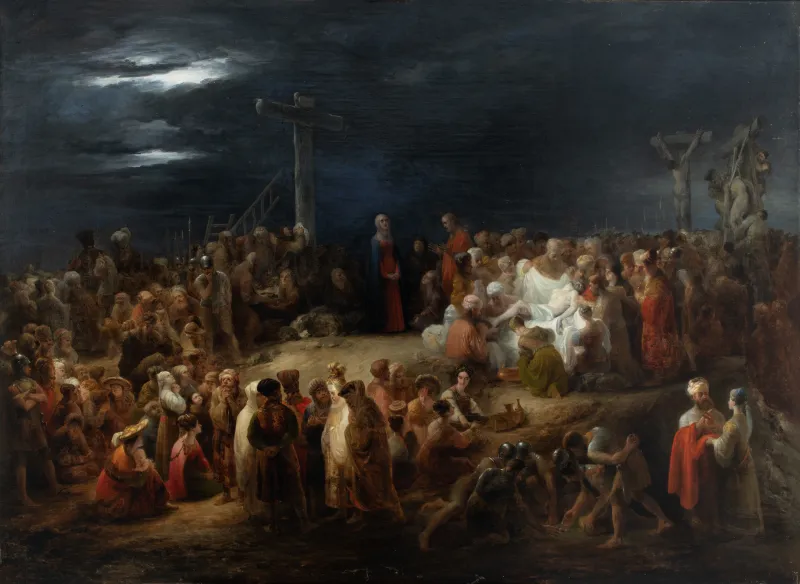
Domingos António Sequeira (1768–1837)
A carefully executed conservation process restoring structural balance, tonal depth, and the legibility of a complex multi-figure composition.
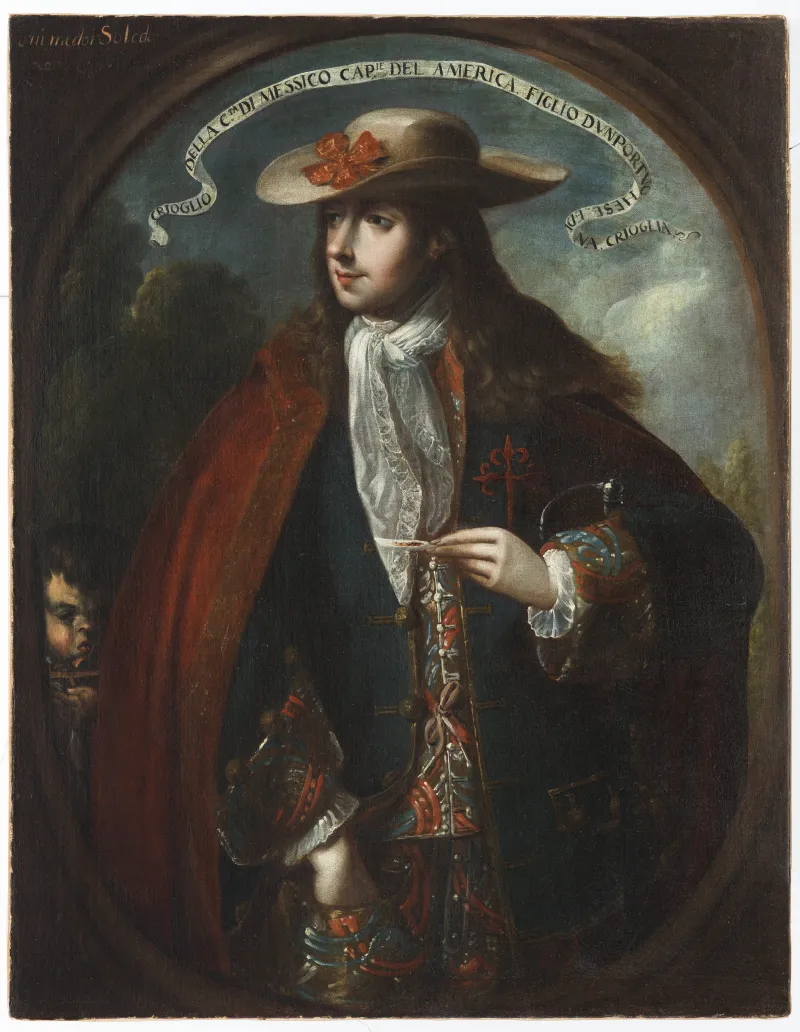
Manuel de Arellano (1662–1722)
A carefully executed conservation process restoring structural integrity, chromatic clarity, and the refined detail of two 17th-century colonial portraits.
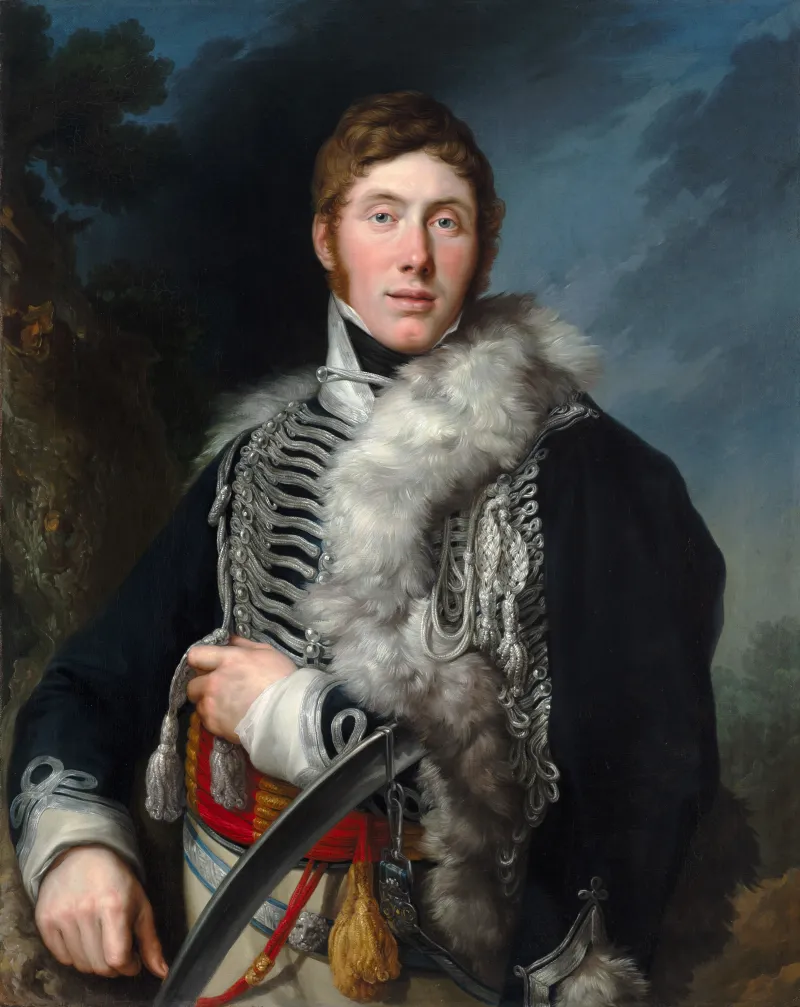
Vicente López Portaña (1772–1850)
A carefully executed conservation process restoring clarity, tonal balance, and the refined surface quality of an early 19th-century portrait.
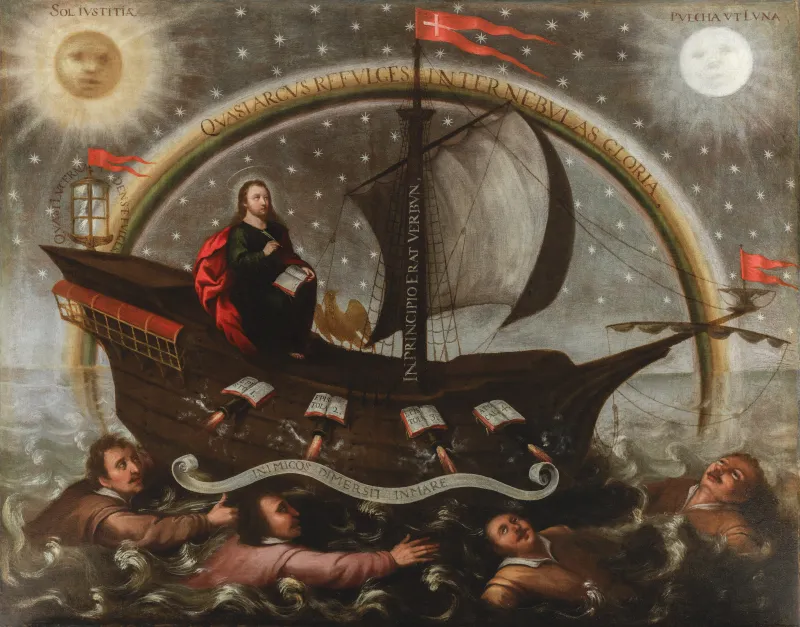
Leonardo Flores (1650–1710)
A carefully executed conservation process restoring clarity, chromatic balance, and structural stability to a richly symbolic 17th-century composition.